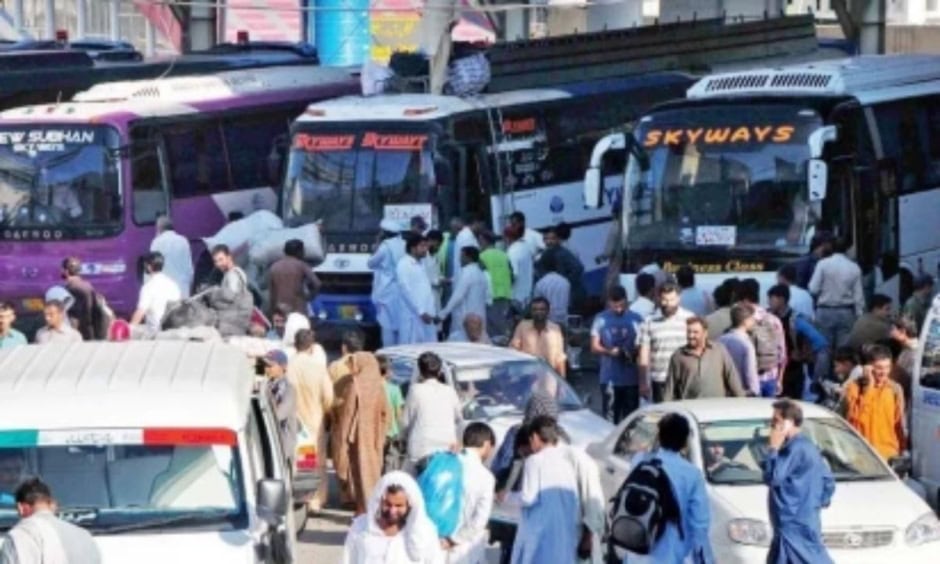
The Sindh government announced a province-wide transport fare freeze, securing agreement from transporters to maintain existing rates despite rising global fuel prices.

Chief Minister Murad Ali Shah confirmed the decision at a press conference, stating fares would remain unchanged across inter-city and intra-city routes as of February 28, 2026.
The announcement followed negotiations with transporters, provincial ministers, and officials, with divisional commissioners and regional transport authorities joining the meeting through video link.
Murad Ali Shah said the government developed a subsidy plan to protect low-income commuters from increased transportation costs caused by global petroleum price hikes.
Transporters’ representatives, including Karachi Transport Ittehad leader Haji Tawab and inter-city operator Shabar Malik, reaffirmed their commitment to maintaining fares during difficult economic conditions.
The Sindh government pledged financial support for transporters based on route permits, compensating increased fuel costs through provincial and federal subsidies.
Murad Ali Shah explained subsidies would cover buses, goods transport vehicles, school vans, and public transport operators, ensuring operations continue without burdening passengers.
Over 11,000 buses operate in Sindh, with subsidies expected to cost the provincial government between Rs3 billion and Rs4 billion.
Sindh will contribute approximately Rs14 billion towards the national subsidy framework, alongside targeted provincial interventions for transporters, farmers, and consumers.
The Sindh government also announced Rs2,000 monthly fuel subsidies for motorcyclists, plus support for small-scale farmers and transporters.
Meanwhile, Prime Minister Shahbaz Sharif urged provinces to release allocated funds for fuel subsidies, supporting motorcyclists, public transport, and goods carriers.
The federal government announced targeted relief measures, ending blanket subsidies, with provinces administering subsidised fuel quotas to ensure equitable distribution across economic classes.
Provinces pooled approximately Rs200bn for three months, with Punjab contributing Rs100bn, Sindh Rs51-52bn, Khyber Pakhtunkhwa Rs15bn, and Balochistan Rs8-9bn under National Finance Commission shares.
Chairing an austerity review meeting, Prime Minister Shahbaz Sharif praised Balochistan Chief Minister Sarfaraz Bugti for disbursing the provincial share within the federal austerity package.
The prime minister said subsidies for motorcycles, trucks, and buses were being disbursed transparently through digital wallets, ensuring secure distribution to transport operators nationwide.