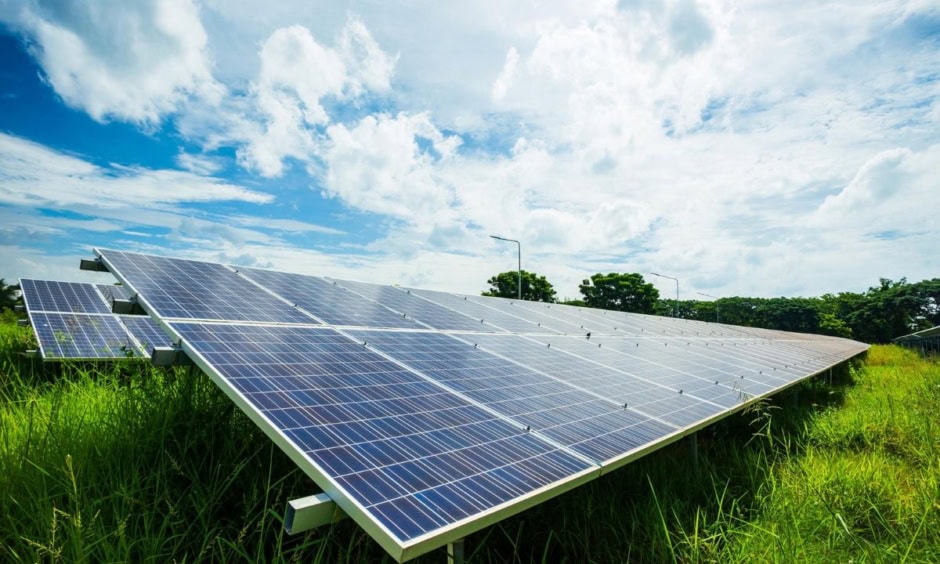
Solar panel and battery prices in Pakistan have continued to rise despite expectations of a slowdown in demand following new net metering regulations introduced by the National Electric Power Regulatory Authority (NEPRA).
The revised policy replaced net metering with net billing, significantly reducing the financial incentive for consumers to export surplus electricity. Under the new structure, consumers purchase electricity at Rs37–55 per unit but can sell excess solar power at only Rs10–11 per unit.
However, contrary to expectations, the market has not cooled. Industry experts say most consumers install solar systems for self-consumption, protection against power outages, and relief from high electricity tariffs rather than for exporting power to the grid.
Policy Uncertainty Fuels Demand Surge
The situation has been further complicated by policy uncertainty. After public backlash, the government allowed pending applications to be processed under the previous rules and temporarily halted full implementation of the new policy.
This created a window for new buyers to secure favorable terms, triggering a rush in installations and pushing prices upward instead of stabilizing them.
Global Factors Driving Panel Prices
Additionally, the imposition of taxes, including a reduced but still significant 10% GST on imported panels, has added to the price burden in the local market.
Battery Demand Surges Under New System
Solar panel prices have also increased due to global supply-side pressures. Rising costs of key raw materials such as silver and copper, along with changes in export policies in China Pakistan’s primary supplier have raised import costs.
While panel prices are driven by global factors, battery prices are rising due to increased local demand. The new net billing regime has made energy storage more valuable, as consumers now prefer storing excess electricity for later use instead of selling it at lower rates.
This shift has led to a surge in demand for batteries, which remain largely imported and subject to taxes and duties. Rising global lithium prices and changes in Chinese export incentives have further contributed to higher costs.
Market Undergoing Structural Shift
Analysts say Pakistan’s solar market is undergoing a transition rather than a decline. While new regulations may discourage grid-export-based systems, they are simultaneously encouraging investment in storage solutions.
As a result, solar equipment prices are increasing due to a combination of policy shifts, global cost pressures, and changing consumer behavior, signaling a broader transformation in the country’s renewable energy landscape.