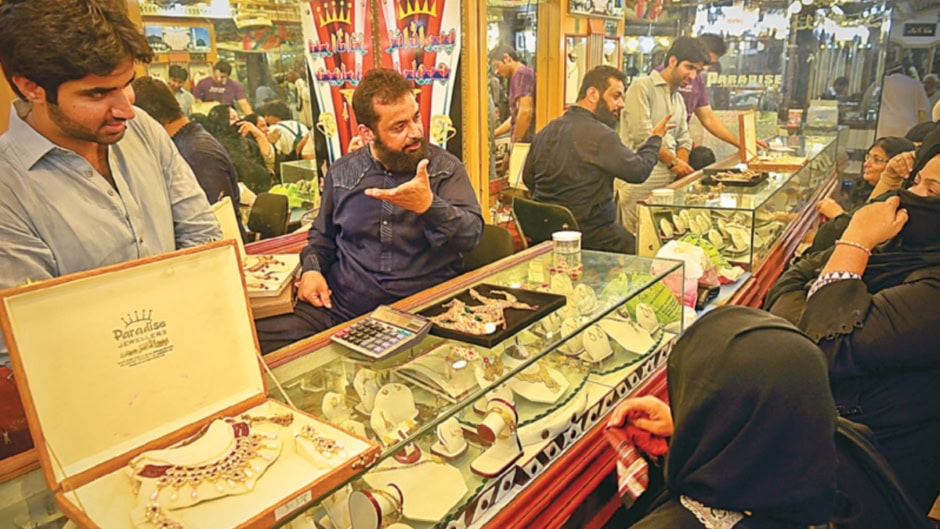
A new study has found that the 9 pm shop-closing rule in Pakistan, introduced to save electricity, has reduced daily customer transactions by 42 percent and shortened trading hours, while many retailers report no visible savings on their electricity bills.
The study, titled The Impact of Early Closing Time Regulations on Pakistan’s Retail Sector, was presented at the FPCCI regional office in Lahore. It draws on interviews with 1,046 consumers, 300 retailers across 53 malls and markets in 10 cities, and 25 key informants. It also benchmarks policies in 15 countries.
Average daily operating hours fell from 11.2 to 9.6, a loss of 1.6 hours. Daily transactions per outlet dropped from 86 to 50. Retailers rating their sales as good declined from 79 percent to 34 percent, while those reporting high profitability fell from 67 percent to 26 percent.
The decline is linked to lost evening trade. Retailers reporting heavy traffic between 4 pm and 8 pm fell from 63 percent to 32 percent. A footwear and apparel executive said 40 to 50 percent of daily footfall arrives between 7 pm and 9 pm, the window now closed.
Retailers have responded with partial adjustments. About 73 percent now open earlier, 34 percent have started or expanded online sales, and 12 percent have reduced staff. Industry representatives said online sales are not replacing lost walk-in business.
Consumers have also been affected. Some 53 percent said finding time to shop has become harder, as office workers finishing around 6 pm have little time left. Average monthly shopping trips fell 7 percent, while women’s trips fell 19 percent, from 7.2 to 5.8.
Shopping habits have changed. The share of people rarely or never shopping with family rose from 62 percent to 71 percent, and those rarely or never shopping for leisure rose from 74 percent to 87 percent. Neighbourhood shops rose from 27 percent to 31 percent of shopping preference, while malls slipped from 8 percent to 6 percent.
Public opinion is divided: 35 percent of consumers support early closing, 33 percent are neutral and 32 percent oppose it. Among retailers, 50 percent are opposed. While 56 percent of retailers believe the energy-saving goal was achieved, only 41 percent saw savings on their own bills.
Among the 15 countries studied, only Pakistan and Bangladesh restrict shop hours specifically to save energy. Bangladesh has changed its rules seven times since April. Brazil used electricity quotas to achieve a reduction of over 20 percent, while France’s retail efficiency measures saved around 15 percent without changing opening hours.
Ten of the 25 key informants said traders were not consulted before the decision. One executive said businesses need four to six weeks to adjust, but the rules changed again before they could.
Stakeholders recommended consulting traders, extending closing times to 10 pm or 11 pm, targeting energy use directly through solar power and loss reduction, and introducing sector-specific and seasonal relief. The study calls for evidence-based communication and policy advocacy, backed by trader consultation.