
Telegram has rolled out a major security update, introducing passkey logins that let users access their accounts using Face ID, Touch ID, or a device PIN. This change eliminates the need for passwords or one-time SMS codes, making logins faster and more secure.
The update positions Telegram among major apps moving away from traditional password systems. Passkeys reduce the risk of phishing and account takeovers because login credentials never leave the device. They also ensure users can log in reliably, even when traveling or when SMS delivery fails.
Passkeys: A Safer, Faster Way to Log In
Passkeys replace traditional passwords with cryptographic keys stored securely on your device. When you create a passkey, your device generates a pair of keys: a public key shared with Telegram and a private key that stays locked in your device’s secure hardware.
During login, your device confirms it holds the correct private key without sending any secrets over the internet. This system makes passkeys resistant to phishing, as they only work for the exact app or website they were created for. Fake login pages cannot trick your device into revealing sensitive information.
How Telegram Users Can Enable Passkeys
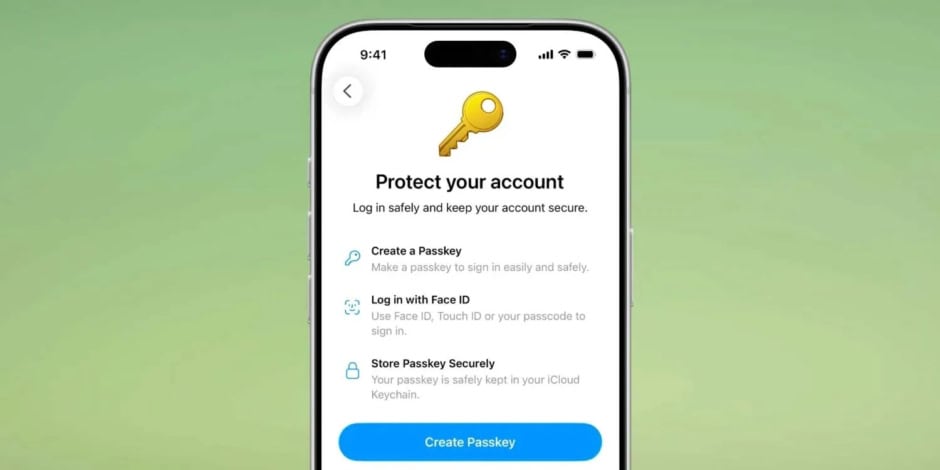
Setting up passkeys on Telegram is simple and quick. Users can follow these steps:
- Open Telegram and go to Settings.
- Tap Privacy and Security.
- Select Passkeys and choose Create Passkey.
- Authenticate using Face ID, Touch ID, or your device PIN.
Once enabled, logging in becomes almost instant. The passkey can also sync with password managers like iCloud Keychain or Google Password Manager, allowing access across multiple devices.
Why Passkeys Matter
Passkeys improve both security and convenience. Users no longer need to remember complex passwords or wait for SMS codes, which can fail internationally. Despite this update, Telegram still requires an active phone number for account recovery and additional security checks.
By adopting passkeys, Telegram joins Apple, Google, Microsoft, and Meta in moving toward a passwordless future. The update simplifies account management, enhances security, and ensures users can log in reliably from any location.