Imagine a world where injured hearts and lungs can heal themselves. This vision is becoming a reality, thanks to significant advancements in regenerative medicine. Scientists are developing therapies that not only stop the progression of diseases but also actively repair and regenerate damaged tissues.
Activating the Body’s Natural Repair Mechanisms
Scripps Research, located in La Jolla, California, is at the vanguard of this revolution. Their novel method entails the identification of small molecules that activate the body’s stem cells to repair damaged organs. Researchers have identified candidates that promote the proliferation of healthy stem cells in the lungs, heart, joints, and eyes by screening millions of compounds. These compounds have effectively revived dead tissue in cells, rodents, pigs, and a limited number of human subjects in laboratory settings.
Pete Schultz, CEO of Scripps Research, expresses optimism: “We have the potential in the next two to three years to show we can reverse lung damage and heart damage,” he says. “If we do, it will fundamentally change the way people think about reversing disease.”
Repair With Stem Cells: A New Frontier
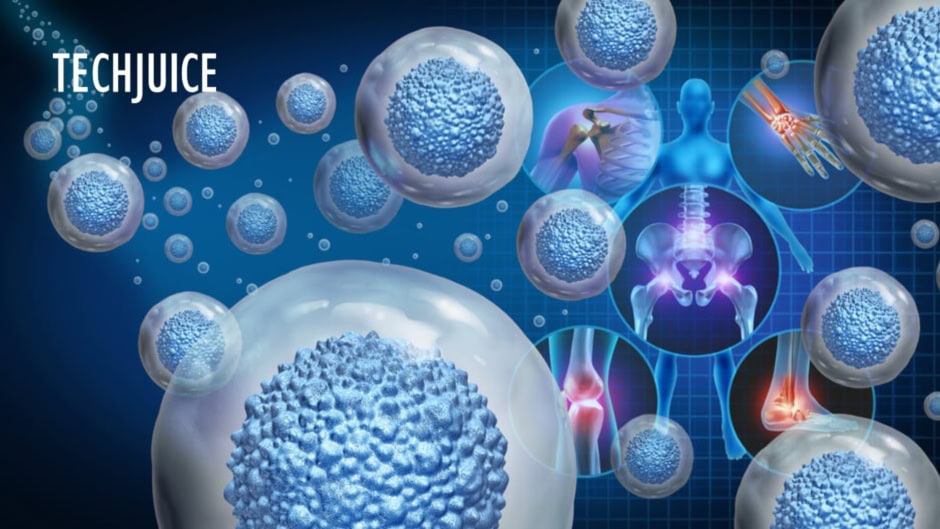
Apart from activating already existing stem cells, scientists are also looking at ways to reprogram them. Stem cells are therefore extracted, modified in the lab, and then re-implanted to produce fresh tissue. Currently used with variable results in the treatment of disorders, including osteoarthritis, where such approaches have shown promise, including platelet-rich plasma injections.
Challenges and the Road Ahead
Though these advances show promise, problems still exist. Safety and efficacy must be confirmed by human testing; these treatments might not become generally accessible for up to ten years. Still, the advancement thus far gives patients and researchers both hope.
Chuck Murry, director of the Eli and Edythe Broad Center of Regenerative Medicine and Stem Cell Research at the University of California’s Keck School of Medicine, describes Scripps’ technique as “interesting and powerful,” likening it to the futuristic healing methods depicted in science fiction.
A New Era in Medicine
The potential to regenerate damaged organs represents a paradigm shift in medicine. Instead of managing chronic diseases with lifelong treatments, we may soon be able to cure them by harnessing the body’s repair mechanisms. As research continues, the dream of self-healing organs moves closer to becoming a reality, offering hope to millions affected by debilitating conditions.