The Pakistan Cricket Board (PCB) has announced a 15-member squad for the upcoming three-match ODI series against Bangladesh as part of what it describes as a transitional rebuilding phase.
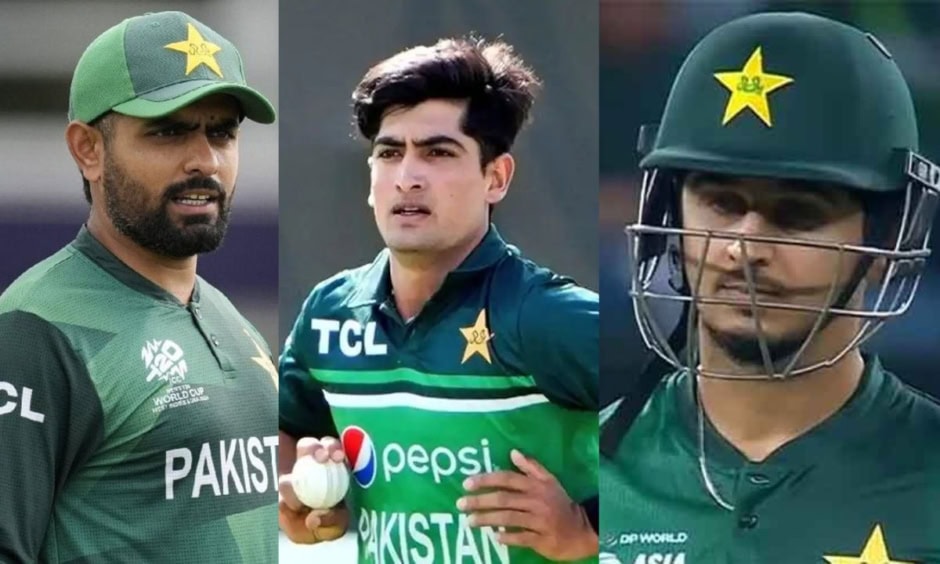
The Aqib Javed-led selection committee has included six uncapped players while leaving out established names such as Babar Azam, Saim Ayub, Imam-ul-Haq and Naseem Shah.
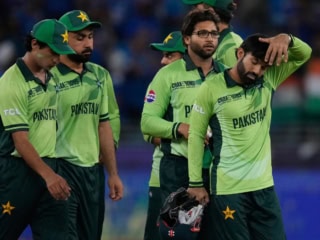
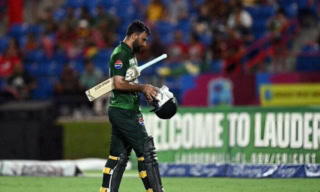
The move follows Pakistan’s disappointing T20 World Cup campaign, with its consequences clearly spilling into the 50-over setup ahead of the Bangladesh tour.
This sweeping overhaul has ignited debate about whether performances in one format should determine selection decisions in another, particularly with the 2027 ODI World Cup.
Babar Azam: A Record That Speaks for Itself
The omission of Babar Azam has become the most contentious decision, given his standing as one of the most consistent ODI batters of the modern era.
The right-handed batter has amassed 6,501 runs in the format at an average of 53.72, including 210 runs in his last six innings at an average of 42.
In successful ODI run chases among Asian players with a minimum of 1,500 runs, his average of 70.42 places him behind only MS Dhoni and Virat Kohli.
Babar averaged 82.50 in the last ODI series he played, yet critics argue he has been sidelined primarily due to perceptions shaped by his T20 role at number four.
For many observers, dropping a batter with such credentials in his strongest format raises fundamental questions about the direction of Pakistan’s ODI strategy.
Saim Ayub: Statistical Surprise
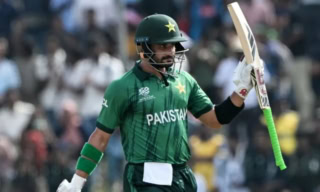
The exclusion of the left-handed opening batter from the squad for the series is equally perplexing when judged purely on his ODI performance over the past year.
Saim Ayub has scored 751 runs in 17 matches at an average of 46.93, maintaining a strike rate of 100 while also contributing as a developing finger-spinner.
In South Africa alone, he accumulated 404 runs in six matches at a remarkable average of 67.33, including two centuries during Pakistan’s successful away series.
Despite three hundreds and two half-centuries in his previous 13 ODIs, Ayub appears to have paid the price for underwhelming T20 performances during the World Cup campaign.
The decision reinforces concerns that format-specific excellence may be overshadowed by short-term disappointment in a different version of the game.
Naseem Shah and the Bowling Conundrum
The absence of star fast bowler Naseem Shah, who was also overlooked in the T20 World Cup, has further complicated the narrative surrounding this transitional squad selection.
He has taken 60 wickets in 34 ODI matches, including 18 wickets in 14 games in 2025, providing pace and control in high-pressure situations.
While his T20 World Cup involvement was limited to a single appearance, his ODI record suggests he remains a valuable asset in the 50-over format.
The current squad retains a recognisable bowling core featuring Shaheen Shah Afridi, Haris Rauf, Mohammad Wasim Jr., and Abrar Ahmed.
However, critics argue that removing an established wicket-taker without a prolonged loss of form risks weakening stability in a unit already undergoing significant batting changes.
Domestic Performers and Selection Questions
Beyond the senior omissions, the inclusion of relatively young players has intensified scrutiny of the Aqib Javed-led selection committee’s decision-making process.
Ghazi Ghori has a modest List A average of 20.6, while Haseebullah, who averages 45.2 with nine centuries and a strike rate of 87, has been overlooked.
Mehran Mumtaz and Arafat Minhas have accumulated 68 List A matches between them, yet 21-year-old Saad Masood, with only three List A appearances, has secured selection.
Observers argue that Mehran Mumtaz and Sufyan Moqim could provide balanced replacements for Mohammad Nawaz and Shadab Khan on the Bangladesh tour.
As Pakistan prepares for three ODIs in Dhaka starting on March 11, the broader question remains whether this restructuring reflects long-term planning or a reaction to T20 disappointment.