Hollywood is in a bit of legal trouble, once more. This time, it involves video game voice actors versus artificial intelligence. However, there is good news: these digital stunt doubles just got benched by humans.
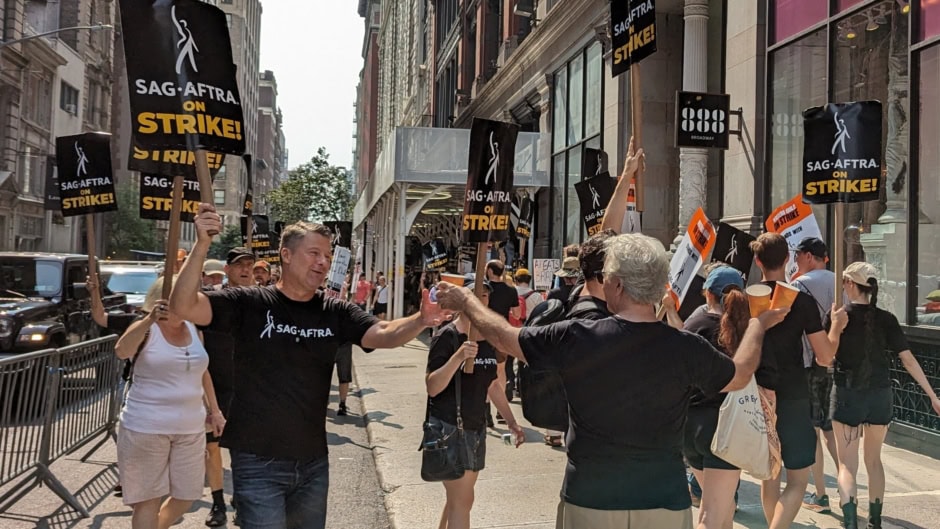
In a dramatic end to an 11-month standoff, video game voice and motion-capture actors have clinched a historic deal with top studios including Activision, EA, Disney, and WB Games. Backed by a sweeping 95.04% union vote, SAG-AFTRA members declared victory in their long fight for AI protections and fair pay.
Fair Pay, Real Medics, and No More “Game Over” Moments
The heart of the win? A new Interactive Media Agreement that forces studios to get written consent before cloning anyone’s voice or likeness with AI. Actors must now be clearly informed, properly compensated, and given the right to say no, even during future strikes. For performers once at risk of being replaced by their own digital doppelgangers, the message is clear: you can’t automate artistry without permission.
SAG-AFTRA President Fran Drescher said of the deal in a statement, “I commend the strong leadership of Interactive Media Agreement Negotiating Chair Sarah Elmaleh, who remained steadfast through three years of hard bargaining while facing many challenging headwinds during a challenging negotiation cycle. This deal achieves important progress around AI protections, and progress is the name of the game! My sincere respect goes out to the entire video game performer community and their allies for their solidarity during the strike which provided the necessary leverage to secure this deal’s many essential gains.”
The contract is a massive win because it doesn’t stop at AI. It raises wages by 15.17% up front, followed by 3% annual hikes through 2027. And for those performing dangerous stunts in mo-cap suits, there’s more good news: on-set medics are now mandatory for high-risk shoots. It’s a safety upgrade that addresses long-ignored hazards because saving digital worlds shouldn’t come at real-life cost.
Studios Must Now Take Consent From Game Voice Actors
For years, studios discreetly scanned and repurposed performers’ images with minimal oversight. These days are over. The new guidelines require studios to report how AI is used, pay fairly, and document consent in writing. If an actor withdraws permission during a strike, the corporation must promptly deactivate their AI double. It’s not simply progress; it’s precedence.
Strike Ends, but the Battle for AI Ethics Rolls On
The strike may have ended, but the movement is far from over. With AI technology growing faster than legislation, union leaders believe the next barrier will be industry-wide adoption of ethical norms. All eyes are now on the NO FAKES Act, a federal measure that would prohibit illegal artificial intelligence recreations of any person’s voice or look.
What’s In Store of Game Voice Actors?
In an age where machines can mimic your voice, your face, even your expressions, SAG-AFTRA just forced Big Tech to ask for permission first. Video game actors have redrawn the rules of digital labor and in doing so, they’ve reminded the world that no algorithm, no matter how advanced, can replace human talent, voice, or soul.