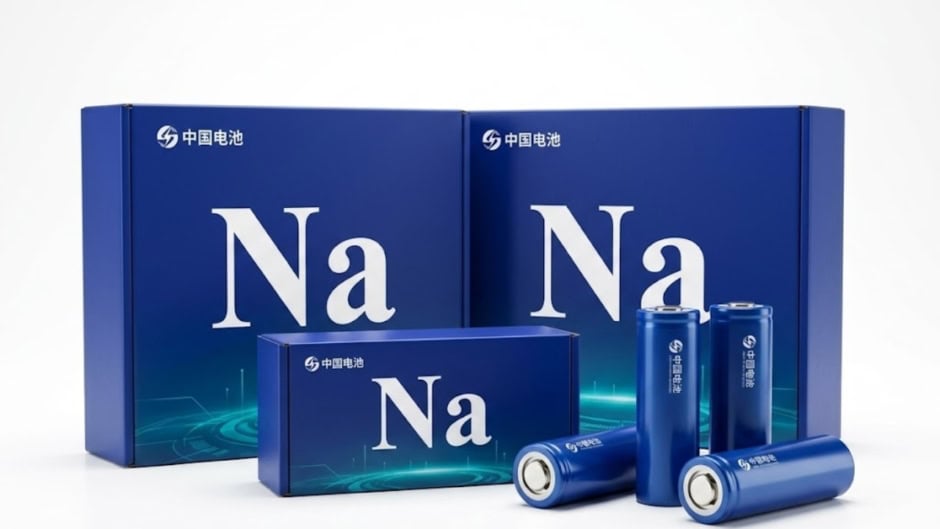
US startups and Chinese manufacturing giants are simultaneously bringing sodium-ion batteries to mass production in 2026. They aim to deliver a technology that replaces rare, geopolitically concentrated lithium with the same element found in ordinary table salt.
MIT Technology Review named sodium-ion batteries the top breakthrough technology of 2026. For the first time in decades of research, the cells are rolling off real production lines into real products rather than sitting in laboratory prototypes.
The chemistry is refreshingly simple in what it promises to the global energy storage landscape. Sodium makes up about 2.3% of Earth’s crust and appears in seawater, salt flats, and mineral deposits essentially everywhere on the planet. Lithium does not share that abundance. Its reserves concentrate in a handful of countries, and refining capacity creates constant bottlenecks. That geographic concentration gives China dominant control over lithium processing, which is precisely the dependency that sodium-ion technology could break for every other country.
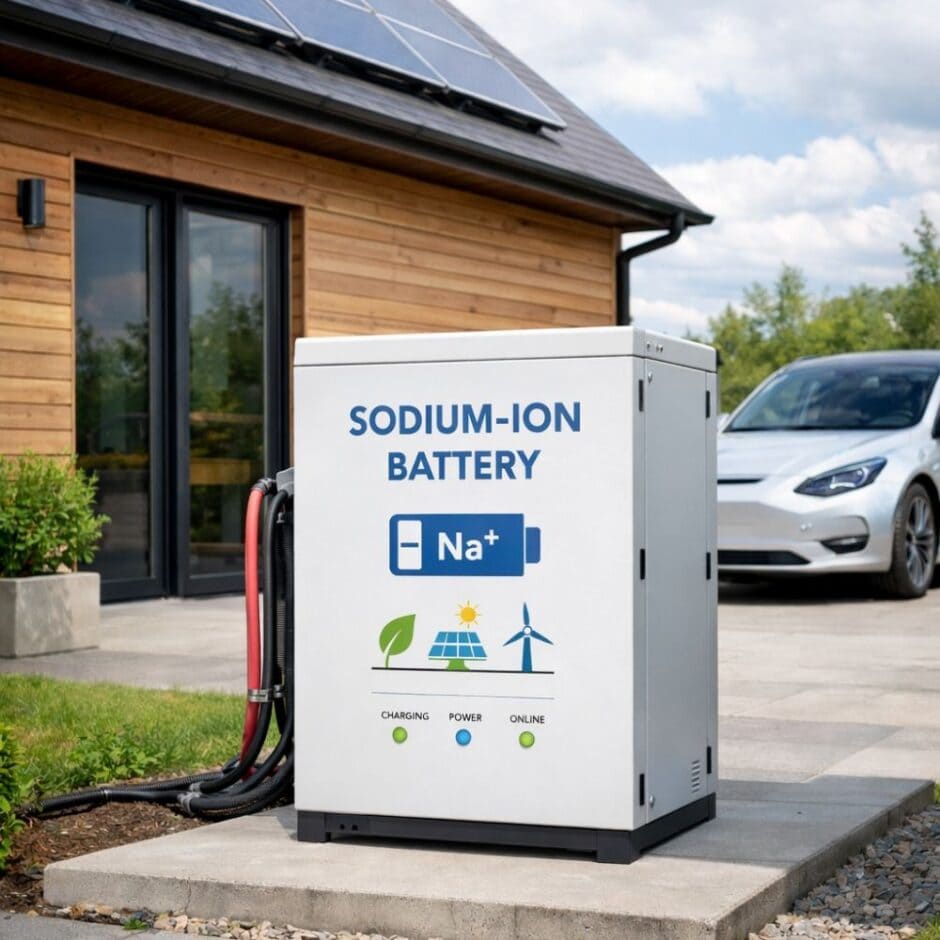
CATL, the world’s largest battery manufacturer, confirmed through Chief Scientist Wu Kai at the 2026 Equipment Powerhouse Forum that all manufacturing bottlenecks have been resolved. The company projects sodium-ion cells will cost approximately 30% less than lithium iron phosphate batteries. CATL expects 10,000 to 20,000 electric vehicles to carry its sodium-ion batteries in 2026. The company also debuted its TENER sodium energy storage system in Munich, describing it as the world’s first field-validated sodium-ion storage platform for grid applications. BYD broke ground on a sodium-ion plant in Xuzhou with 30 gigawatt-hours of planned annual capacity. In January, BYD started selling the world’s first mass-produced sodium-ion passenger vehicle.
The grid-scale deployment is already operational and generating real performance data in Chinese energy infrastructure. Outside the city of Qianjiang in Hubei province, a sodium-ion battery station the size of 15 soccer fields has been feeding the Chinese power grid since 2024. The installation stores enough energy for approximately 12,000 homes. CATL’s grid cell delivers 12,000-plus charge cycles at 97% efficiency and operates across a temperature range that eliminates thermal runaway risk in nail, crush, and overcharge tests.
US companies are racing to build domestic sodium-ion production to avoid repeating the lithium dependency trap with a new chemistry. Peak Energy operates a pilot plant in Burlingame, California, and Inlyte Energy is developing its own manufacturing capacity. Peak Energy CEO Landon Mossburg frames the challenge directly: American researchers are not getting out-innovated on the science. The risk is getting out-scaled again while China converts research breakthroughs into industrial production capacity faster than anyone else can respond.
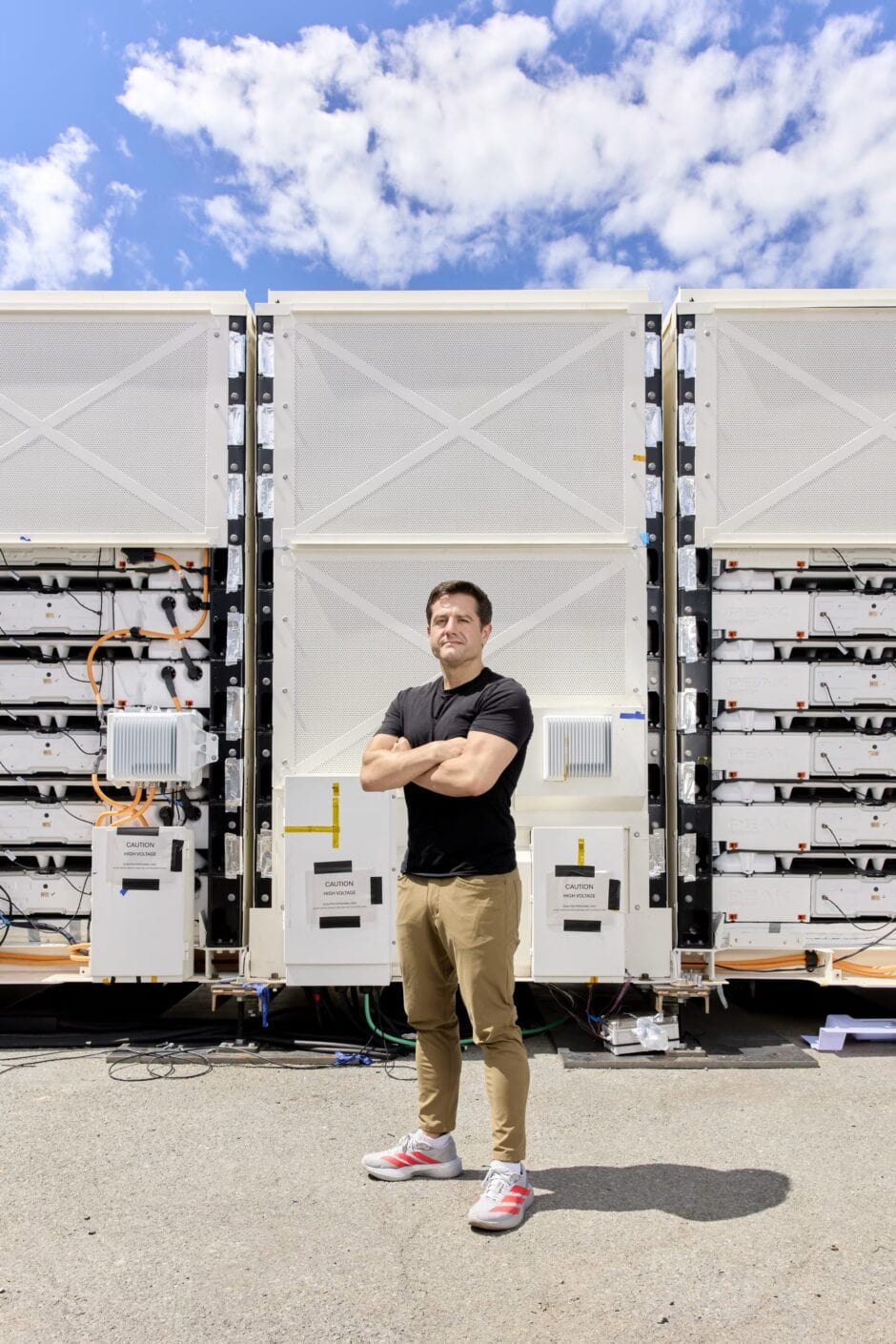
The initial deployment targets favor grid storage and data center backup power rather than passenger vehicles. Weight matters less in stationary applications, and the cost, safety, and cycle life advantages of sodium-ion batteries align perfectly with what utilities and hyperscale data center operators need as AI infrastructure demands accelerate power storage requirements. Morgan Stanley projects sodium-ion batteries could eventually capture more than one-third of the global battery market.
CATL projects even more aggressively, stating sodium-ion will eventually displace 30% to 40% of the entire existing battery market. The IEA estimates that a commanding majority of global sodium-ion production capacity will sit in China, mirroring the dominance Beijing established over lithium-ion manufacturing over the past decade.