 2 min read
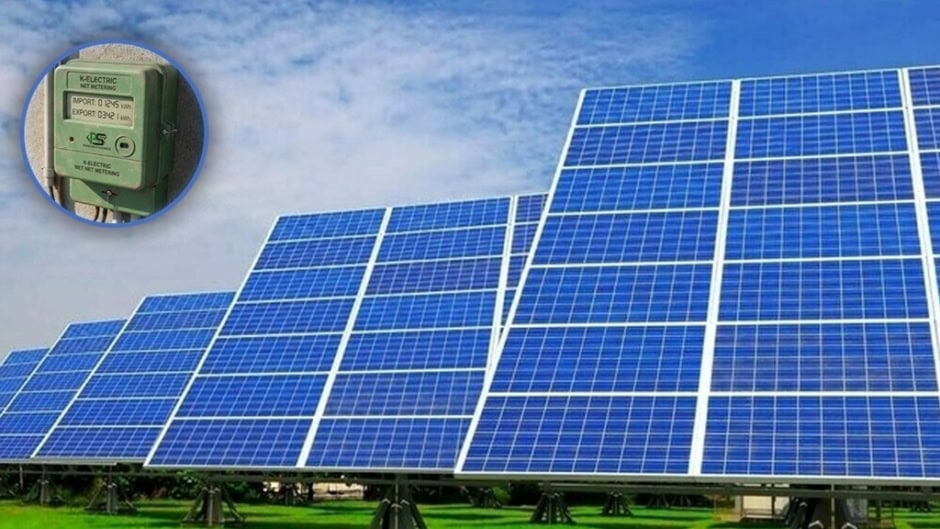
Pakistan’s power regulator NEPRA has made major changes for rooftop solar and small-scale power producers by replacing the long-standing net metering system with a new net billing framework. Existing solar users will continue under their current contracts, but new users will face stricter rules and lower rates for selling surplus electricity. The step aims to protect the national grid while transforming the financial benefits of solar energy.
From Net Metering to Net Billing
Under the old net metering system, solar consumers could balance their electricity consumption with what they generated. Any surplus exported to the grid would cut down their bills almost unit-for-unit. This made rooftop solar financially attractive for many households and small businesses.
Now, the net billing system works differently. Surplus electricity generated by solar users will be purchased by distribution companies at the National Average Energy Purchase Price (NAEPP), currently around Rs 11 per unit, while imported electricity from the grid will be charged at normal tariffs ranging from Rs 37 to Rs 55 per unit. This means that exported and imported units no longer cancel each other out, reducing the financial perks for solar users.
How Existing Users Will Be Affected
Existing prosumers- those already registered under net metering will keep their current seven-year contracts. Their exported electricity will continue to be valued at Rs 26 per unit, but credits will now be calculated monthly instead of quarterly. This reduces the immediate financial benefit many early adopters enjoyed.
Rules for New Solar Consumers
For new users, contracts will be limited to five years, and their exported electricity will be credited at around Rs 11 per unit, making the system less financially rewarding than before.
- The new rules also set stricter limits on system size:
- Solar installations cannot exceed the consumer’s sanctioned load.
- Systems above 250kW require a mandatory load flow study.
- Distribution companies cannot approve new connections if total solar capacity on a transformer reaches 80% of its rated capacity.
- Prosumers must bear all interconnection costs, including meters and grid upgrades.
Officials say the changes are driven by rising distributed solar penetration, which has created technical pressures on the national grid and increased costs for non-solar consumers. On-grid solar capacity currently stands at around 7,000MW, with off-grid systems exceeding 13,000MW. NEPRA believes the new regulations will stabilize the grid while providing clearer procedures for small-scale power producers.