
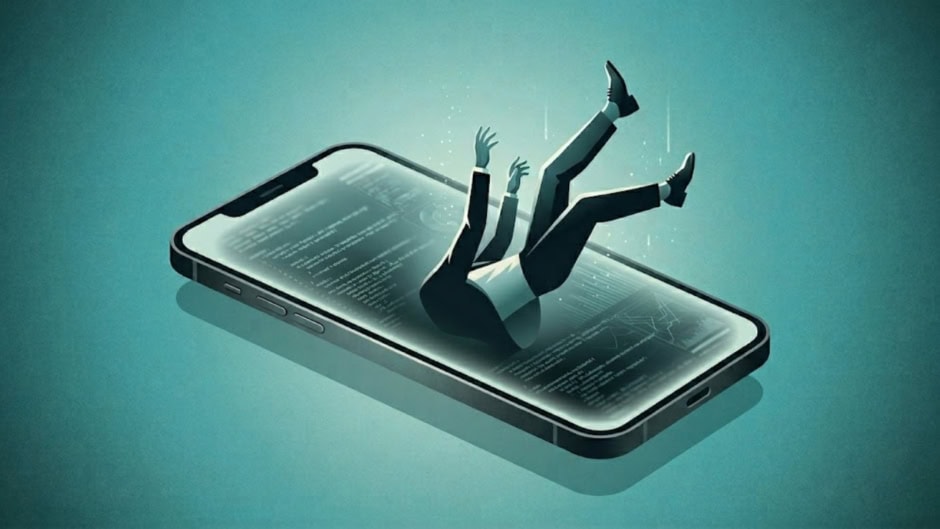
A growing body of research now links heavy social media use not only to mental health decline but to measurable cognitive damage, including effects on attention, memory, and focus that in some studies resemble accelerated aging. The good news, according to new science, is that the damage is reversible, and it does not take long.

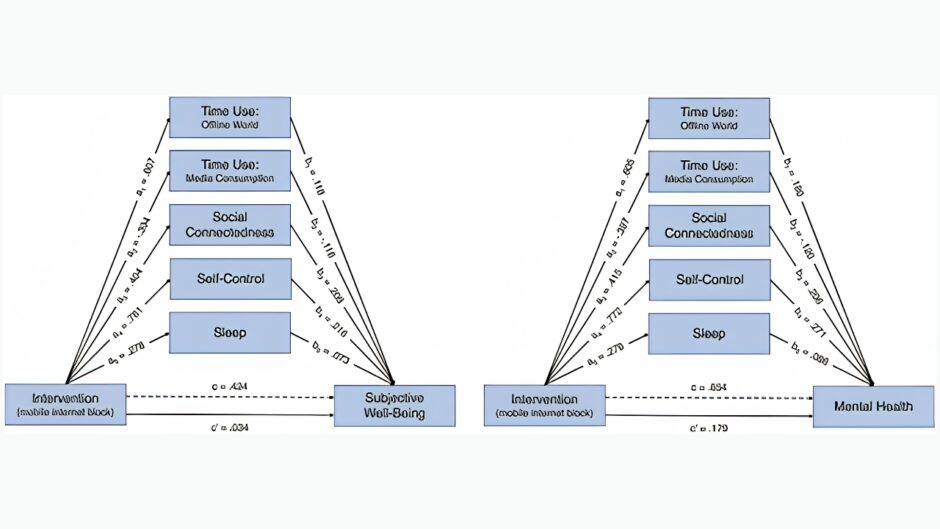
One of the largest studies on the subject, published in PNAS Nexus and involving more than 467 participants with an average age of 32, found that even a short break produced striking results, effectively erasing a decade of age-related cognitive decline. For 14 days, participants used an app to block internet access on their phones. Their time online dropped from 314 minutes to 161 minutes per day, and by the end of the period participants showed improvements in sustained attention, mental health, and self-reported well-being.
One of the study’s researchers, an associate professor at the University of Alberta School of Business, described the broader problem plainly:
“These technologies can interfere with activities that were otherwise engaging, like having dinner with friends… So you don’t have to necessarily restrict yourself forever. Even taking a partial digital detox, even for a few days, seems to work.”
A separate study published in JAMA Network Open, involving nearly 400 people, reinforced the findings. After just one week of reduced smartphone use, participants reported drops in anxiety of 16.1%, depression of 24.8%, and insomnia of 14.5%.
For Pakistan, the findings carry particular weight. The country had approximately 71.7 million active social media users as of early 2024, representing over 30% of the total population, a figure that has kept climbing as affordable smartphones and cheaper mobile data bring more people online. Pakistan’s median age sits at just 20.6 years, meaning a significant share of its population falls squarely in the age groups most vulnerable to heavy social media use. Globally, teenage girls aged 13 to 17 average 3.7 hours of social media daily, while the global average across all users stands at around two hours and 41 minutes per day.
Researchers also found that perfection is not required. Even those who broke the rules and returned to their phones after a few days showed positive effects, and in follow-up reports many said the benefits lingered well after the two weeks ended.
“So you don’t have to necessarily restrict yourself forever. Even taking a partial digital detox, even for a few days, seems to work,” one researcher noted.
With a phone in hand, people can scroll through social media while taking a stroll, catching a movie, or chatting with a friend, and so on. It tends to interrupt these other activities. Researchers discovered that when you’re glued to your phone, your attention drifts away from the social interactions happening around you, and as a result, you end up enjoying those moments less.
The researchers also say the next step is understanding whether more targeted approaches, such as blocking only social media for a few hours a day or restricting phone use at certain times, deliver the same results as a full detox.