The escalating conflict between Iran and Israel has created fresh instability across the Middle East, heightening fears of prolonged disruption to global oil supplies and international maritime trade routes.
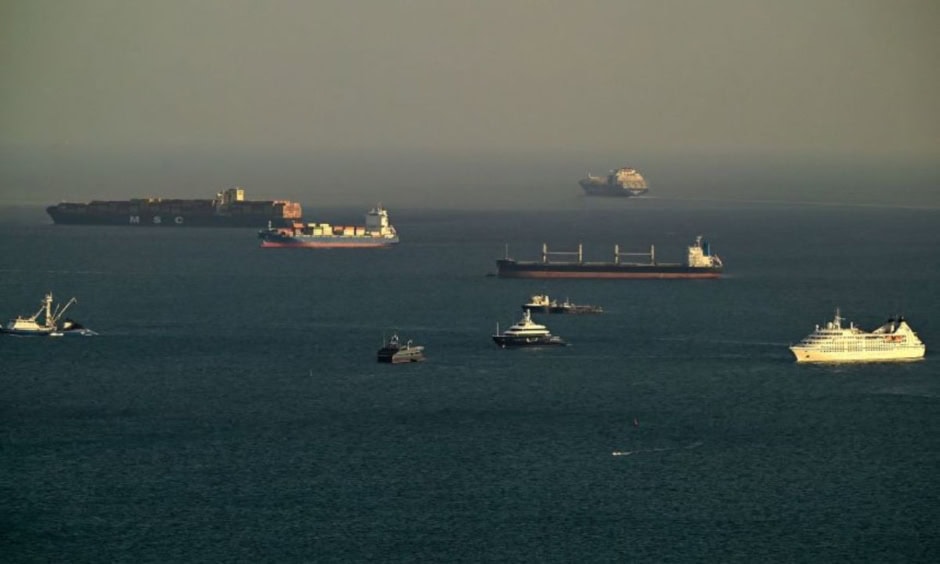
At the centre of the crisis lies the Strait of Hormuz, a narrow but strategically vital waterway linking the Persian Gulf with global markets and carrying a substantial share of international energy shipments.
The strait remains one of the world’s most critical energy chokepoints, transporting roughly one-fifth of global oil exports between major Middle Eastern producers and key energy consumers across Asia and Europe.
Rising military tensions in the region have reduced commercial shipping activity, as several international shipping companies suspend voyages because of heightened security threats and soaring maritime insurance costs.
The conflict has also pushed global oil prices higher as traders increasingly fear prolonged hostilities could severely disrupt one of the world’s most important maritime energy corridors.
Iran Considers Yuan Payments for Hormuz Ship Passage
Amid ongoing war and shipping disruptions, Iranian officials are reportedly considering a plan that would permit limited tanker traffic through the Strait of Hormuz conditional on specific financial terms.
Emerging reports indicate the proposal would require oil cargoes passing through the strait to be traded or settled in Chinese yuan instead of the US dollar.
The move would constitute one of the most direct challenges to the dominance of the US dollar in global oil trade, potentially reshaping long-standing energy market practices.
For decades, most international oil transactions have relied on the “petrodollar” system, which reinforces the US dollar’s influence in global finance and international trade.
Iran’s proposed yuan settlement mechanism could therefore serve both economic and geopolitical objectives while helping Tehran navigate sanctions and heightened military pressures.
Strengthening Strategic Economic Ties with China
China has become Iran’s most important economic partner and one of the largest buyers of Iranian crude oil, despite ongoing Western sanctions and increasing diplomatic pressure.
A significant portion of China’s oil imports originates in the Middle East and must pass through the Strait of Hormuz before reaching Asian markets.
Recent diplomatic discussions between Chinese and Iranian officials have focused on ensuring safe maritime routes for energy shipments amid the ongoing regional conflict.
By linking tanker passage to yuan settlements, Tehran could secure continued Chinese purchases while strengthening long-term economic cooperation with one of the world’s largest energy consumers.
Such a mechanism would also support Beijing’s broader ambition to expand the international role of its currency in global commodity markets.
Reducing Dependence on the US Dollar
Another important reason behind Iran’s consideration of yuan payments is its effort to bypass financial restrictions imposed by the United States and its allied partners.
Because global oil trade is largely conducted in dollars, sanctions can restrict Iran’s ability to access international banking networks and process payments freely.
Using the Chinese yuan instead could allow Iran to maintain energy exports while avoiding financial systems controlled by Washington and Western regulatory authorities.
This approach forms part of a wider global debate over “de-dollarisation,” in which several countries are seeking alternatives to the US currency in international trade.
Although the dollar still dominates global finance, growing geopolitical tensions have encouraged a number of states to experiment with alternative payment systems.
Leveraging Control of a Strategic Energy Route
Iran’s geographic position along the northern coast of the Strait of Hormuz gives it powerful leverage over one of the world’s most important maritime routes.
The waterway serves as the primary export corridor for oil producers, including Saudi Arabia, Iraq, Kuwait, and the United Arab Emirates.
Amid the current crisis, Iranian authorities have warned that vessels must obtain permission before passing through the strait, increasing uncertainty for global shipping companies.
By linking tanker passage to yuan-based settlements, Iran could turn its geographic advantage into an economic instrument capable of influencing global energy trade.
This strategy would also allow Tehran to favor friendly nations while restricting access to countries it considers geopolitical rivals.
Countries Gradually Moving Away from the US Dollar
Iran’s proposal reflects a broader global trend in which several countries are increasingly exploring alternatives to the US dollar in international trade.
Russia, for example, has expanded energy transactions with China using local currencies after Western sanctions limited its access to traditional dollar-based financial systems.
China has also promoted yuan-denominated oil contracts through its domestic energy exchanges, aiming to strengthen the global influence of its currency.
Members of the BRICS economic group have repeatedly discussed conducting more trade in national currencies rather than relying on the dollar.
Although these initiatives remain limited, they illustrate a gradual shift in the geopolitical balance of global financial power.
Conclusion
Iran’s reported consideration of yuan-based payments for tanker passage through the Strait of Hormuz highlights how geopolitics, currency power, and energy security are becoming increasingly interconnected in today’s global economy.
By linking access to one of the world’s most critical oil corridors with alternative currency settlements, Tehran could strengthen ties with China while reducing its reliance on the US-dominated financial system.
Although the proposal remains uncertain, the debate itself signals shifting global power dynamics, where control over energy routes and payment systems is emerging as a key geopolitical tool.