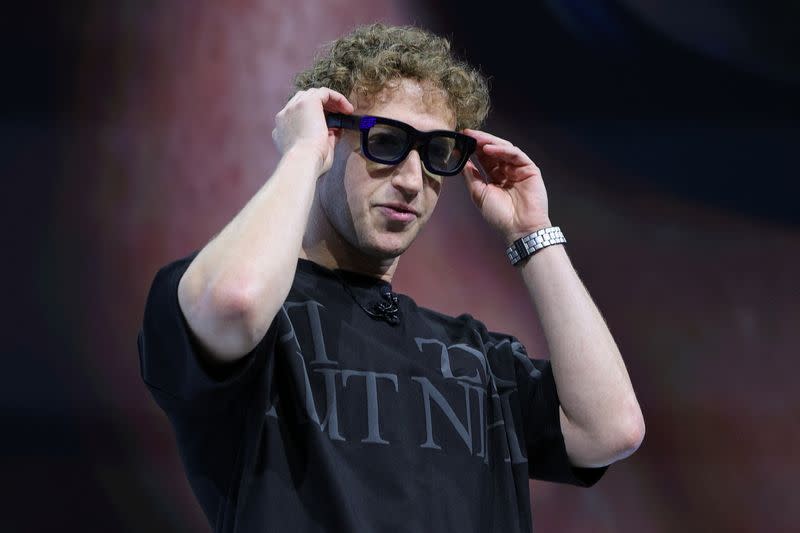
Meta’s CEO Mark Zuckerberg has big plans for how the world is going to interact with AI and each other on social media. The company is slowly weaving its Llama-powered AI into Facebook, Instagram, and WhatsApp to accomplish that.
Following the April debut of its standalone Meta AI app, powered by the open-source Llama 4 model, users now see AI suggestions surface throughout Meta’s “Family of Apps.” From AI-generated search summaries on Facebook to context-aware caption drafts on Instagram and automated message summaries on WhatsApp, Meta AI is gearing up to be unique in its usage, unlike OpenAI’s ChatGPT and Anthropic’ Claude.
Facebook: Conversational Search and AI “Characters”
On mobile and desktop, Facebook’s search bar now accepts natural-language queries (“Where can I find vegan bakeries nearby?”) and returns concise AI-generated summaries alongside traditional results . Messenger has gained a voice-activated AI assistant, enabling hands-free queries and spoken responses via Vision Labs’ audio tech . Additionally, AI “character” bots appear in chat lists as virtual assistants for shopping tips, gaming updates, or mental-health check-ins.
Instagram: Generative Filters and Smart Replies
Instagram’s camera now features generative AR filters driven by Llama, typing “summer nostalgia” overlays custom AI-crafted effects in real time . In Direct Messages, a “Reply with AI” prompt drafts captions, emojis, or full-sentence replies tailored to the conversation’s tone . The home feed occasionally intermixes AI-generated posts with user content, blurring lines between human and machine creativity .
WhatsApp: Summaries, Translations, and Business Tools
WhatsApp’s optional AI assistant can summarize long voice notes, translate messages on the fly, and suggest quick replies based on sentiment analysis — helping users stay current in busy group chats . For businesses, AI-powered templates draft promotional texts and customer-service replies, reducing response time by up to 40% in early tests . Meta insists these features employ on-device “Private Processing,” preserving end-to-end encryption.
Impact on Engagement and Monetization
By embedding AI into everyday tasks, Meta aims to boost user engagement and unlock new ad formats. Early data shows daily active users climbing by 6% and ad impressions by 5% since the AI rollout.
Zuckerberg envisions AI-driven product recommendations and ads seamlessly woven into chats and feeds, creating “native” commerce experiences. Meta plans to test paid AI-chat subscriptions and expand language support to over 20 countries, including India and Brazil, by year’s end. Zuckerberg has previously termed this year crucial for AI development, particularly their AI integration with Ray Bans Meta glasses.
Critics warn that integrated AI features act as pervasive surveillance, leveraging personal data from Facebook and Instagram profiles to tailor AI responses often without any incognito option. Users and regulators express concern over data use and content authenticity, especially as AI-generated posts appear alongside human-created ones.