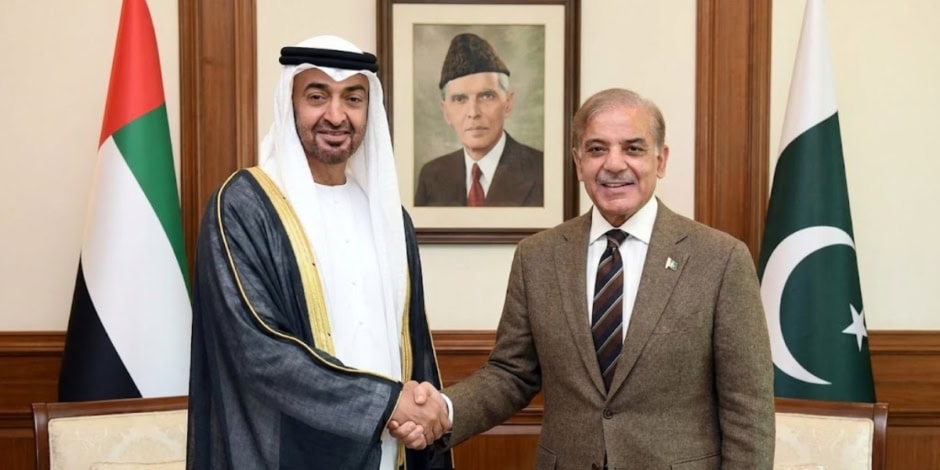
Pakistan has formally offered shares of the Fauji Foundation to the United Arab Emirates as part of a proposed $1 billion investment arrangement, a move confirmed by Deputy Prime Minister and Finance Minister Ishaq Dar as Islamabad intensifies efforts to attract foreign capital and strengthen economic ties with Gulf partners.
Speaking on the matter, Dar said the offer forms part of ongoing engagement with the UAE aimed at mobilizing large scale investment into Pakistan’s economy. The proposal involves equity participation in Fauji Foundation–linked entities, signaling a shift toward leveraging state affiliated commercial assets to secure long term foreign investment rather than relying solely on traditional debt inflows.
متحدہ عرب امارات کو ایک ارب ڈالر ڈیپازٹ کے بدلے شیئر دیں گے، فوجی گروپ کی مختلف کمپنیز کے شیئر دیے جائیں گے، امید ہے 31 مارچ تک ٹرانزیکشن ہو جائے گی۔ اسحاق ڈار https://t.co/AbPOPoSOjS pic.twitter.com/3aFpk6F779
— Ahmad Warraich (@ahmadwaraichh) December 27, 2025
The development comes at a critical juncture for Pakistan’s economy, which remains under pressure from external financing needs, fiscal consolidation targets, and commitments tied to international lending programs. By opening up shares in Fauji Foundation businesses, the government is positioning strategic domestic enterprises as vehicles for capital inflows while retaining operational continuity within Pakistan.
Fauji Foundation operates across multiple sectors, including fertilizers, energy, food, cement, and financial services, and is widely regarded as one of the country’s most stable and professionally managed conglomerates. Officials believe its diversified portfolio and consistent earnings profile make it an attractive proposition for sovereign and institutional investors seeking exposure to Pakistan with comparatively lower risk.
Dar emphasized that discussions with the UAE are part of a broader economic diplomacy push that includes privatization initiatives, asset monetization, and joint ventures with friendly countries. Pakistan has increasingly looked to Gulf states, particularly the UAE and Saudi Arabia, as anchor investors capable of providing not only funding but also confidence signals to global markets.
The proposed deal also reflects evolving investment preferences among Gulf partners, who are seeking equity based opportunities rather than short term financial assistance. Analysts say such arrangements align with the UAE’s strategy of deploying capital into overseas assets that generate steady returns while deepening strategic influence.
From Pakistan’s perspective, the offer allows the government to unlock value from existing assets without full divestment, while potentially improving balance of payments inflows and stabilizing foreign exchange reserves. However, experts caution that transparency, valuation clarity, and governance safeguards will be critical to ensuring the deal delivers long term benefits rather than short term relief.
While final terms have not been disclosed, Dar indicated that negotiations are progressing and that further announcements could follow as agreements are finalized. The government maintains that any transaction involving Fauji Foundation shares will be structured to protect national interests while meeting investor expectations.
If concluded, the $1 billion Fauji Foundation investment deal would mark one of the most significant equity based inflows into Pakistan in recent years, reinforcing Islamabad’s shift toward asset backed economic engagement and signaling renewed momentum in Pakistan UAE economic relations.