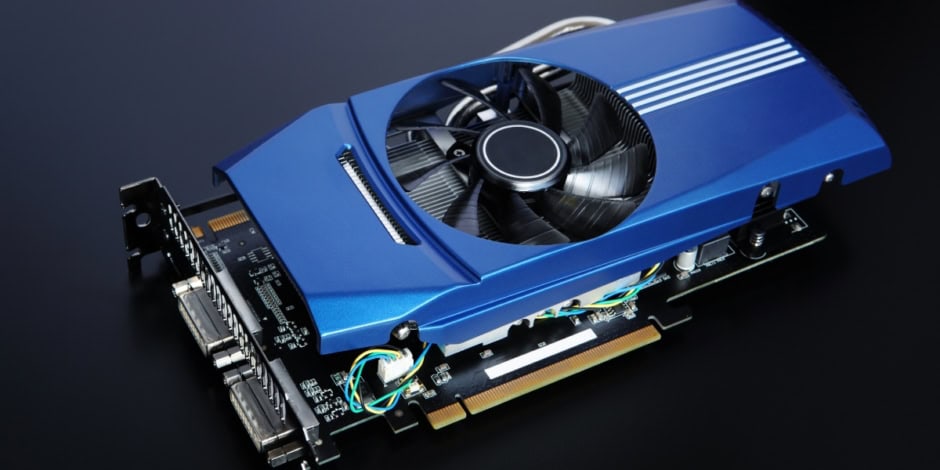
The year 2025 is almost over. The global gaming community is currently obsessed with the shiny new NVIDIA RTX 50-series and AMD’s Radeon RX 9000 lineup. However, for the average Pakistani gamer, the reality on the ground is different. With the Rupee still dancing around volatile exchange rates and “new” entry-level graphics cards costing upwards of Rs. 60,000, the budget segment has firmly shifted to the used market.
But we have good news for you. 1080p gaming is still alive and well under Rs. 30,000. You don’t need to sell a kidney to play GTA VI (on low settings) or get 144 FPS in Valorant. You just need to be smart. The local markets, from Hafeez Centre in Lahore to Techno City Mall in Karachi, are flooded with legacy silicon that still packs a punch.
We have scoured the markets to bring you the top 5 high-performance graphics cards available in Pakistan right now for under 30k. Let’s dive in.
1. AMD Radeon RX 580 8GB (Used): The Undisputed King
If there is a hall of fame for budget GPUs in Pakistan, the RX 580 8GB sits on the throne. Even in late 2025, this card refuses to die. It remains the default recommendation for budget builders. The reason for that is its 8GB VRAM.
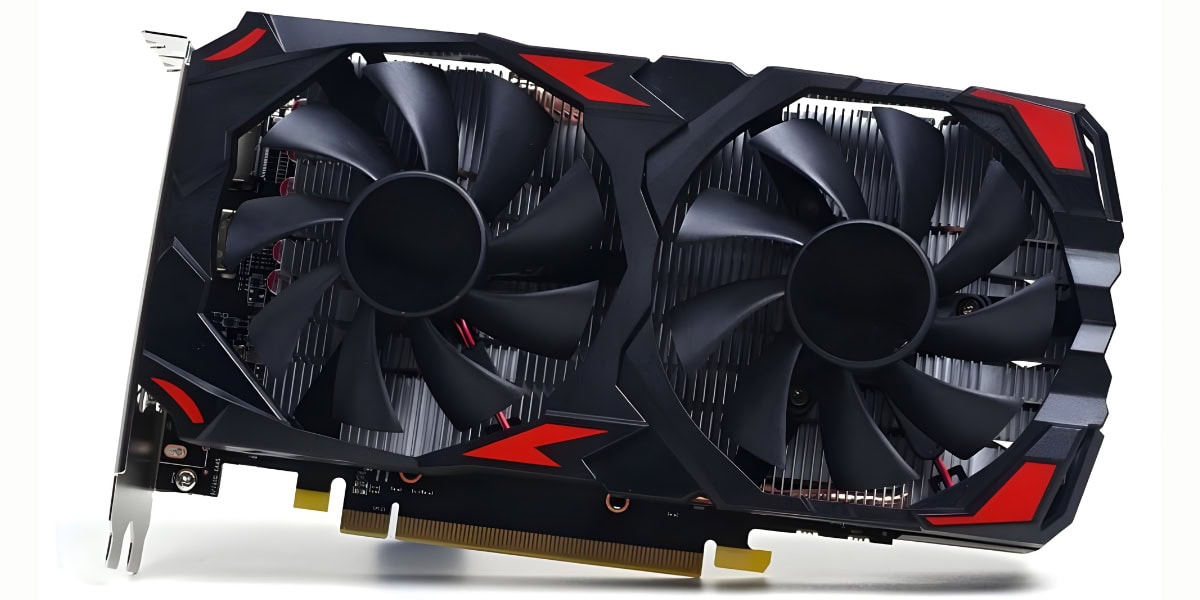
Modern titles in 2025 punish cards with less than 6GB of video memory. The RX 580’s massive 8GB buffer allows it to load high-quality textures that would choke newer, more expensive NVIDIA cards with less memory. It handles games like Red Dead Redemption 2 and The Last of Us surprisingly well at 1080p, especially when paired with FSR (FidelityFX Super Resolution) upscaling.
Important Note:
Be careful when buying. The market is full of the “2048SP” variant. This is essentially a disguised RX 570. Always ask for the “2304SP” version or check it with GPU-Z on the spot. A genuine 2304SP model is worth the Rs. 28,000 tag… The stripped-down version is not.
| Feature | Specification |
| Architecture | Polaris 20 (GCN 4.0) |
| VRAM Capacity | 8GB GDDR5 |
| Memory Bus | 256-bit |
| TDP (Power) | ~185W |
| Market Price (Dec 2025) | Rs. 26,000 – Rs. 30,000 |
2. AMD Radeon RX 590 GME (Used): The Hidden Gem of Graphics Cards
Sitting just above the RX 580 is a card that confuses many buyers… The RX 590 GME. Note the “GME” suffix. This isn’t the 12nm GlobalFoundries chip found in the original RX 590. Instead, it is a Polaris 20 XTR chip, basically an RX 580 that has been pushed to its absolute limit at the factory.
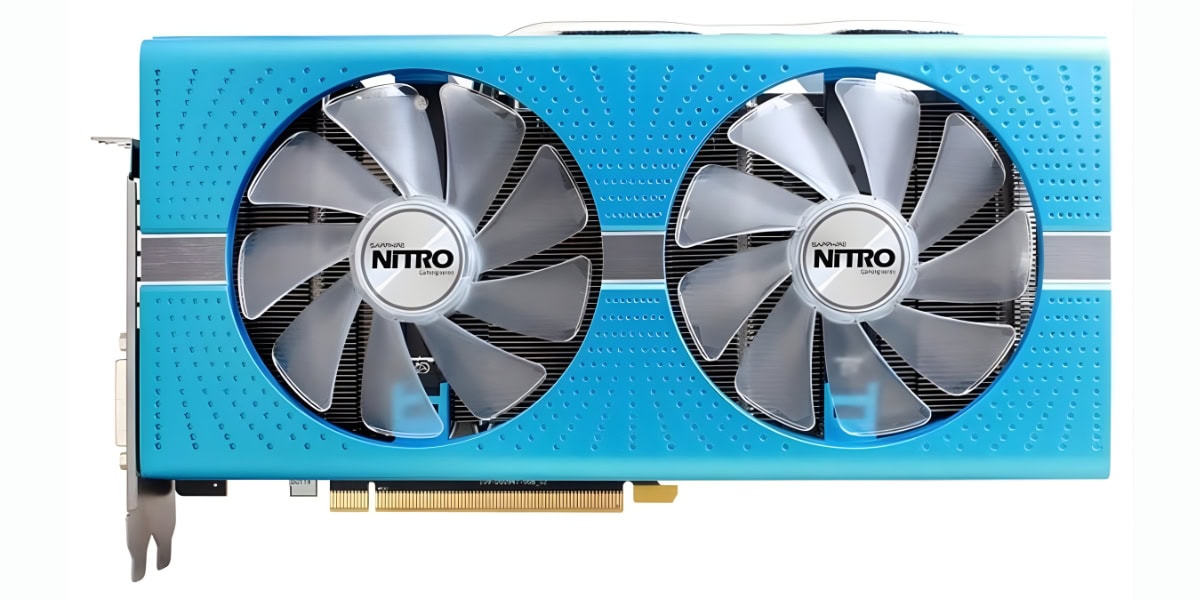
Why is it on this list? Value. In December 2025, sellers often price this identically to the RX 580, or sometimes just Rs. 1,000 – 2,000 higher. If you can find a clean XFX Fatboy or Sapphire Nitro+ model for under 30k, you are getting roughly 10% better performance than a stock RX 580.
Important Note:
This card runs hot. Extremely hot. In the Pakistani summer, you will need a case with excellent airflow. Do not pair this with a cheap Rs. 3,000 power supply, or you will smell smoke.
| Feature | Specification |
| Architecture | Polaris 20 XTR |
| VRAM Capacity | 8GB GDDR5 |
| Memory Bus | 256-bit |
| TDP (Power) | ~200W+ |
| Market Price (Dec 2025) | Rs. 28,000 – Rs. 30,000 |
3. NVIDIA GeForce GTX 1060 3GB (Used): The Efficiency Choice
For the “Green Team” loyalists who refuse to buy AMD, the GTX 1060 3GB is your only valid option in this price range. While the superior 6GB variant has appreciated in price (often crossing Rs. 35,000), the 3GB model remains affordable.
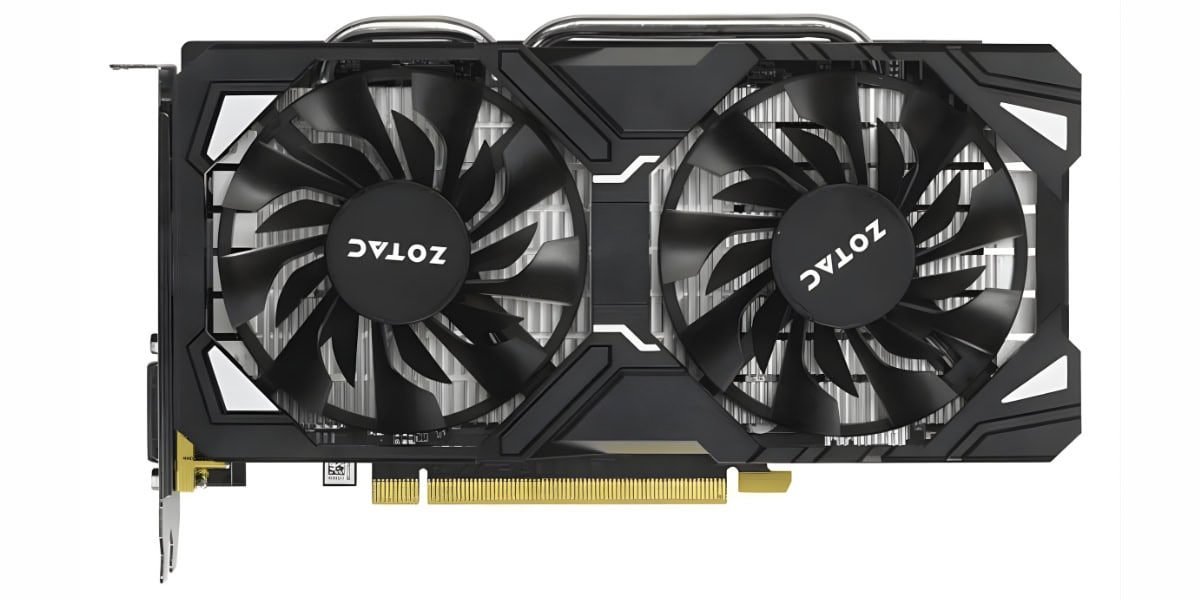
Why buy it in 2025? Reliability and drivers. NVIDIA’s Pascal architecture is legendary for its power efficiency. This card sips power compared to the hungry AMD cards listed above. If you have a pre-built Dell or HP office PC with a weaker power supply, the GTX 1060 is a safer bet. Furthermore, for eSports titles like Counter-Strike 2, Dota 2, and Valorant, the 3GB VRAM limit is rarely an issue, and the card pushes high frames effortlessly.
Important Note:
For AAA gaming, that 3GB VRAM is a major bottleneck. Expect stuttering in open-world games unless you lower texture settings significantly.
| Feature | Specification |
| Architecture | Pascal |
| VRAM Capacity | 3GB GDDR5 |
| Memory Bus | 192-bit |
| TDP (Power) | ~120W |
| Market Price (Dec 2025) | Rs. 28,000 – Rs. 33,000 |
4. NVIDIA GeForce GTX 970 4GB (Used): The Old Guard
Released over a decade ago, the GTX 970 refuses to fade into obscurity. In late 2025, you can often find high-end variants of this card, like the Gigabyte G1 Gaming or ASUS Strix, for significantly less than the GTX 1060.
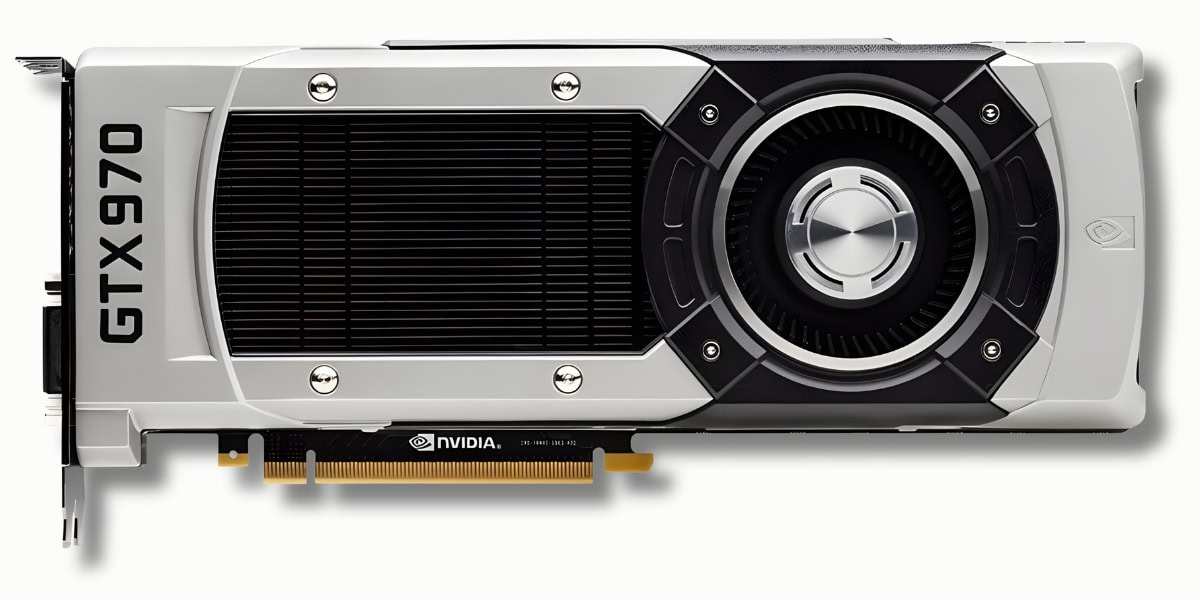
Tech veterans remember the controversy where NVIDIA marketed this as 4GB, but the last 0.5GB was much slower. In 2025, that nuance matters less. The card has raw horsepower. It features a 256-bit bus and more CUDA cores than the GTX 1060 3GB. In older DX11 titles, it is an absolute beast.
Important Note:
If your budget is tight, say… closer to Rs. 25,000, and you want NVIDIA reliability, the GTX 970 is a fantastic stopgap solution until you can upgrade.
| Feature | Specification |
| Architecture | Maxwell |
| VRAM Capacity | 4GB (3.5 fast + 0.5 slow) |
| Memory Bus | 256-bit |
| TDP (Power) | ~145W |
| Market Price (Dec 2025) | Rs. 25,000 – Rs. 29,000 |
5. AMD Radeon RX 570 4GB (Used): The Budget Floor of Graphics Cards
If you strictly cannot spend a rupee over Rs. 24,000, the RX 570 4GB is the champion. It offers about 85–90% of the performance of the RX 580 but costs significantly less.
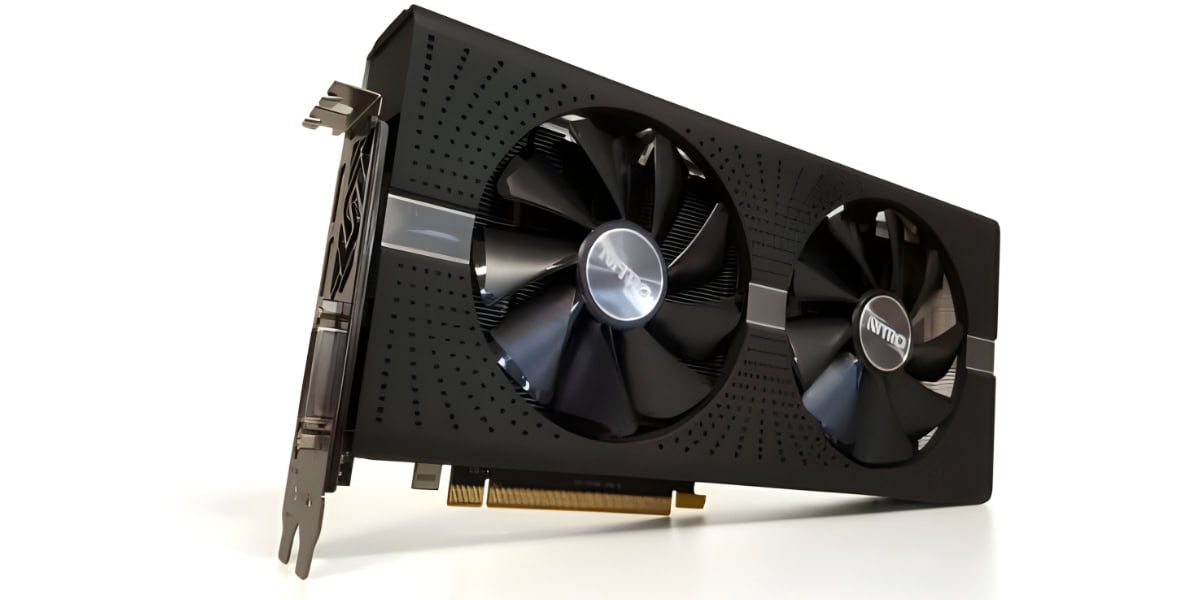
This card destroys the NVIDIA GTX 1050 Ti, which sellers still try to sell for Rs. 25,000 despite it being much slower. The RX 570 can handle almost any game at 1080p Low/Medium settings.
Important Note:
Because these cards were cheap and efficient, they were the favorite tool of crypto miners for years. The RX 570s available in Pakistan today have likely seen thousands of hours of 24/7 operation. When buying, check the fans carefully for wobbling and ensure the card runs cool.
| Feature | Specification |
| Architecture | Polaris 20 XL |
| VRAM Capacity | 4GB GDDR5 |
| Memory Bus | 256-bit |
| TDP (Power) | ~150W |
| Market Price (Dec 2025) | Rs. 20,000 – Rs. 24,000 |
Critical Advice for Buying Graphics Cards: Don’t Get Scammed
Buying used hardware in Pakistan is an extreme sport. Here is how to survive the market in December 2025:
1. The PSU Trap:
Never, and we mean never, pair an RX 580 or RX 590 with a generic “700W” Chinese power supply that weighs as much as a feather. These cards draw heavy power. You need a branded, 80+ Bronze-rated PSU (minimum 500W). If you cheap out on the PSU, you will fry your new card and your motherboard.
2. The “FurMark” Lie:
Shopkeepers love showing you FurMark to prove a card works. FurMark only tests heat… It doesn’t test the memory. A dying card can pass FurMark but crash in a game. Insist on running a game or the “Superposition” benchmark. Look for “artefacts” (weirdly coloured squares or flashes on the screen). If you see them, walk away.
3. Thermal Paste is Mandatory:
These cards are often 6–9 years old. The thermal paste inside has likely turned into cement. Budget an extra Rs. 1,500 to have the shop repaste the card with high-quality thermal compound (like Arctic MX-4). This can drop temperatures by 10–15 degrees instantly.
4. Avoid the GTX 1050 Ti:
You will see the GTX 1050 Ti everywhere. It runs without extra power cables, which makes it convenient. Do not buy it. For roughly the same price (Rs. 22k-25k), the RX 570 is nearly 50% faster. The 1050 Ti is obsolete for future gaming.
Conclusion
In the sub-30k bracket, the AMD Radeon RX 580 8GB is the clear winner for its balance of memory, power, and price. It offers the best longevity for modern gaming. However, if you are building a competitive eSports rig and want to keep your electricity bill lower, the GTX 1060 3GB is a respectable runner-up.
Happy hunting, and may your frame rates be high and your temperatures low!
We have also compiled a list of “Best Gaming Laptops in Pakistan for 2025”. Viewers can read the full article by clicking here.