Qualcomm’s powerful Snapdragon 8 Elite chip. With a 6.8-inch screen and high-end features, OnePlus is ready to take on big players like Samsung and Google. Its main competitor? The Google Pixel 9 Pro XL, comes with a fresh design, the Tensor G4 chip, and improved AI features like Gemini Live.
While OnePlus focuses on performance, Google’s Pixel phones are known for their excellent photography and AI. Let’s see how the OnePlus 13 compares to the Pixel 9 Pro XL in this battle of top smartphones.
Google Pixel 9 Pro XL vs. OnePlus 13: Design
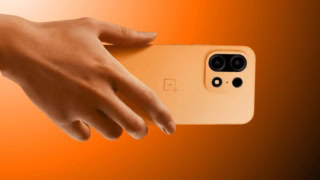
The OnePlus 13 introduces a refined design with squared edges and a standalone camera array, ditching the previous blended lines. Two new finishes are available: Midnight Ocean with a vegan microfiber texture and glossy Arctic Dawn with a special coating for a silky feel.

On the other hand, the Google Pixel 9 Pro XL offers a flat edge-to-edge screen and maintains its signature camera bar, now with a sleeker design. Despite its “XL” label, it remains compact with a 6.8-inch screen, matching the OnePlus 13.

Durability differs, with the OnePlus 13 using Gorilla Glass 7i, a step below the Pixel’s Gorilla Glass Victus 2. However, the OnePlus 13 surpasses water resistance with an IP68/IP69 rating, protecting against high-pressure and high-temperature water, making it ready for more rugged use compared to the Pixel 9 Pro XL. Both phones support immersion in up to 1.5 meters of fresh water for 30 minutes, but OnePlus takes it further, offering more robust protection.
Software
If you’re familiar with OnePlus, you’ve likely encountered OxygenOS. With OxygenOS 15, the software has matured, moving away from its ColorOS roots. While the OnePlus 13 in China still uses ColorOS 15, resembling iOS, the global version sticks to OxygenOS 15, which runs on Android 15. It offers a customizable experience, allowing users to swap preinstalled apps like Google Photos or hide settings they don’t use.
In contrast, the Google Pixel 9 Pro XL sticks to a cleaner, minimalist Android UI, enhanced with AI features. Google’s long-standing AI tools like Magic Eraser and Call Screen are joined by newer ones like Gemini Live, which replaces Google Assistant with a conversational chatbot, and Magic Editor for photo editing.

OnePlus 13 adds a few AI features, such as Intelligent Search and basic photo enhancements, though they aren’t groundbreaking. For updates, Google promises seven years of Android support, with the Pixel 9 Pro XL expected to receive updates until 2030. OnePlus also extends its update commitment, offering four years of Android updates and six years of security patches, keeping the OnePlus 13 secure until 2030.
Performance
The OnePlus 13 debuts Qualcomm’s Snapdragon 8 Elite chip, setting a new benchmark in smartphone performance. While the previous Snapdragon 8 Gen 3 in the OnePlus 12 was already exceptionally fast, the Elite chip takes it further, though the difference is mostly noticeable for hardcore gamers. This power ensures the OnePlus 13 will easily support future Android updates, likely handling Android 19 without issues.
Meanwhile, the Google Pixel 9 Pro XL features the Tensor G4 chip, which offers balanced performance and improved power efficiency over its predecessors. While it’s not designed for high-end gaming, it excels at supporting Google’s AI features like Gemini Live. The Pixel 9 Pro XL delivers smooth performance for daily tasks and casual gaming, focusing more on AI than raw power.
Battery Life
| Feature | OnePlus 13 | Google Pixel 9 Pro XL |
| Battery Capacity | 6,000mAh | Not specified |
| Battery Life | Over 10 hours of screen-on time, potentially 2-3 days of usage | Around 5-6 hours screen-on time, daily charging needed |
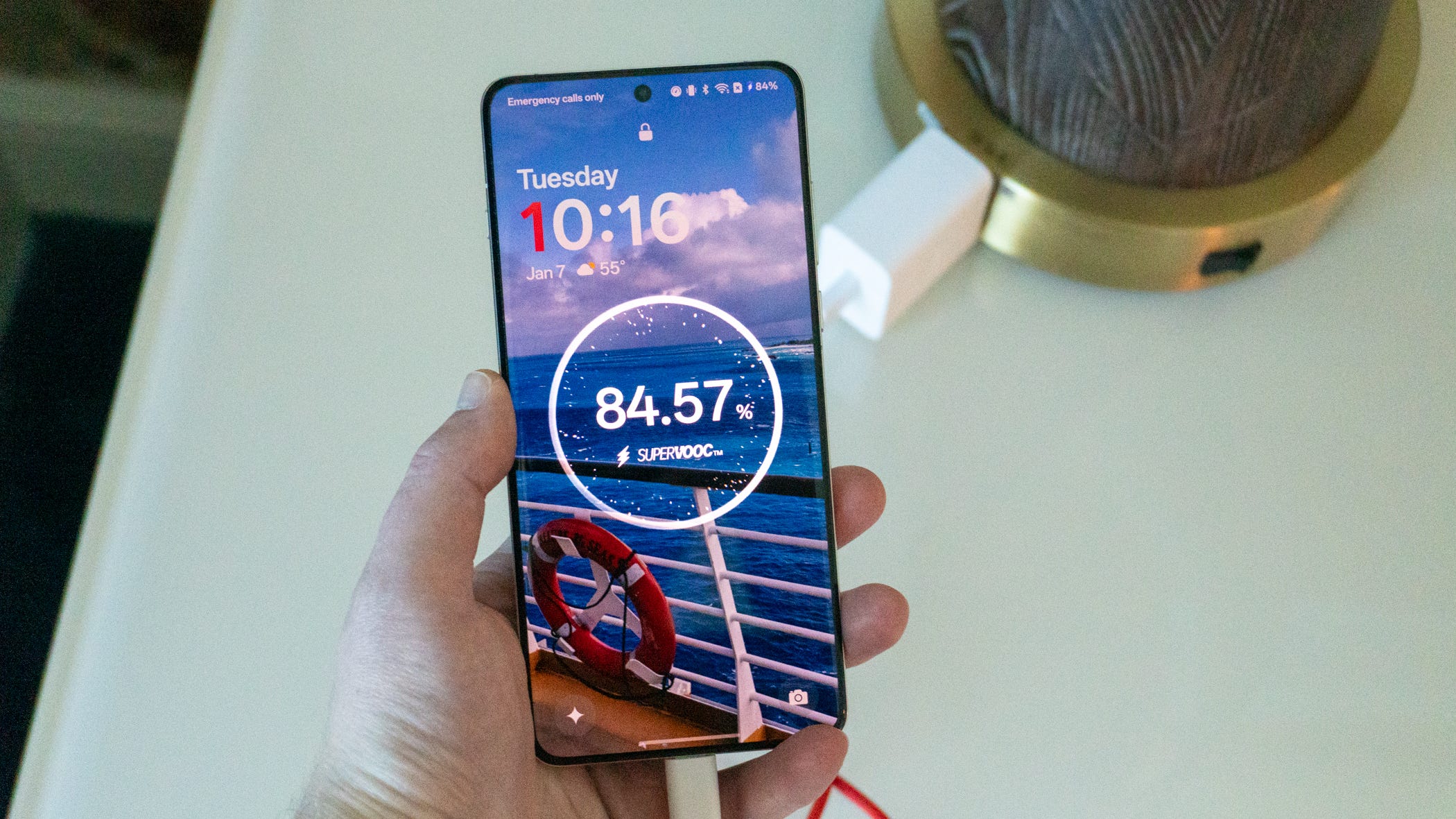
| Wired Charging Speed | 80W (full charge in about 34 minutes) | 37W (70% charge in 30 minutes, full charge in over an hour) |
| Wireless Charging Speed | 50W (AirVOOC charger required) | Not specified, likely standard wireless speeds |
| Efficiency | Highly efficient with Qualcomm’s latest silicon | Balanced, suitable for daily use |
The OnePlus 13 excels in battery life and charging speed, making it ideal for heavy users, while the Pixel 9 Pro XL offers reliable daily performance with decent charging improvements.
Cameras
| Feature | OnePlus 13 | Google Pixel 9 Pro XL |
| Camera Sensors | Three 50MP sensors, 3x optical zoom, 120° ultrawide | Two 50MP sensors, 5x optical zoom |
| Image Quality | Excellent color balance, vibrancy, detail, great low-light performance | Reliable, clean photos with strong contrast but lack color vibrancy |
| Zoom Performance | Disappointing beyond 25x digital zoom | More usable 5x optical zoom, decent digital zoom |
| Software & AI | Hasselblad partnership, Snapdragon ISP for better results | Google’s software and Tensor G4 enhance HDR and photo quality |
| Quirks | Occasional blurry shots and digital zoom limitations | Consistent, no significant issues |
OnePlus 13 impresses with vibrant, detailed shots, especially in low light, but has some zoom limitations. The Pixel 9 Pro XL offers reliable, consistent results with a strong telephoto lens but lacks some color vibrancy.
Cost and Availability
| Feature | OnePlus 13 | Google Pixel 9 Pro XL |
| Storage Configurations | 256GB/12GB RAM, 512GB/16GB RAM | 128GB, 256GB, 512GB, 1TB |
| Price | Rs 250,811 (256GB), Rs 278,679 (512GB) | Rs 306,269 (128GB), Rs 334,137 (256GB), Rs 367,578 (512GB), Rs 431,674 (1TB) |
| Color Options | Black Eclipse (256GB only), Midnight Ocean, Arctic Dawn (512GB only) | Porcelain, Hazel, Rose Quartz (256GB only), Obsidian (1TB only) |
| Availability | No pre-order phase, available from Amazon, Best Buy, and OnePlus | Available from various carriers and retailers |
| Special Notes | Arctic Dawn is exclusive to the North American market | 1TB model only in Obsidian, Rose Quartz only in 256GB |