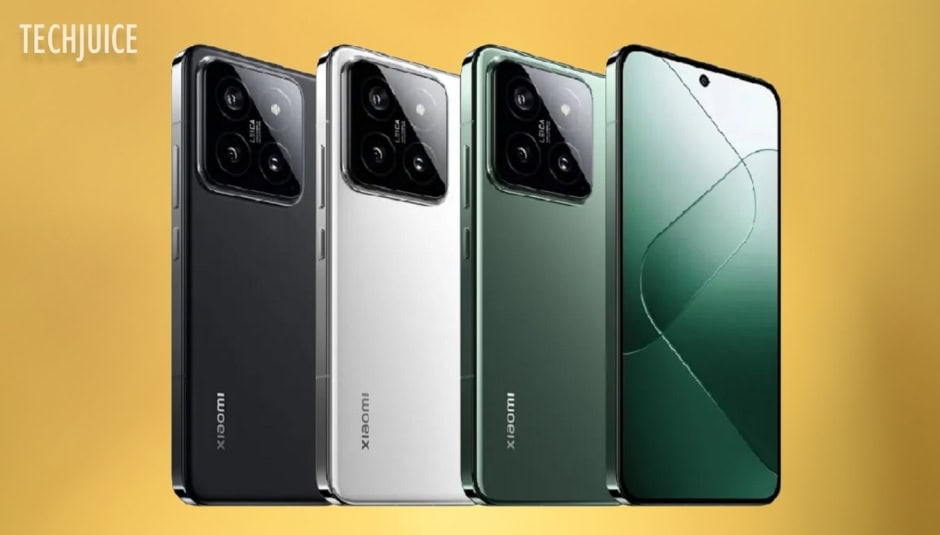
Xiaomi launched its 15 series in Pakistan, including the Xiaomi 15 and 15 Pro. The base model costs 269,999 and the Pro version 399,999. These devices have top-notch specs, but their high price has prompted discussion among tech enthusiasts and customers. Will Pakistani buyers choose Xiaomi’s flagship over Apple’s iPhone 16 and Samsung’s Galaxy S25 in the same price range? Let’s look at the things that led to this choice.
Xiaomi Enters Premium Segment
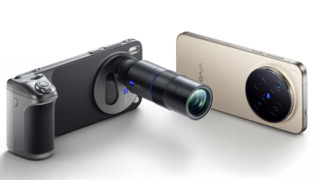
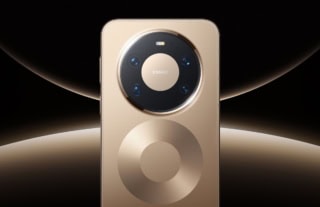
Xiaomi is known for making affordable, high-performance smartphones for budget and mid-range markets. The 15 series shifts strategy towards premium markets. Xiaomi 15 has a Snapdragon 8 Elite processor, a 6.36-inch CrystalRes AMOLED display with 120Hz refresh rate, and three 50MP Leica cameras. The Xiaomi 15 Pro goes further with a 6.73-inch display and enhanced camera for high-end users.
Pakistani Brand Loyalty and Market Perception
In Pakistan, brand loyalty strongly influences customer choices. Apple’s iPhone series is known for luxury, innovation, and a seamless ecosystem, whereas Samsung’s Galaxy series is noted for reliability and cutting-edge camera technology. Xiaomi is still seen as a value-driven brand despite its global success. As Xiaomi attempts to enter the premium market, people may be hesitant to buy a Xiaomi phone when other manufacturers have better reputations.
Price Sensitivity and Consumer Behaviour
Consumers in Pakistan value smartphones based on price. Xiaomi’s affordable reputation makes the 15 series’ premium price hard to sell. Xiaomi 15 Pro, for Rs. 399,999, and the ordinary model, at Rs. 269,999, compete with Apple and Samsung flagships. When buying high-end items, Pakistanis emphasize resale value, software lifetime, and brand prestige, favoring Apple and Samsung.
Many Pakistani purchasers see high-end smartphones as long-term investments. Through regular software upgrades, excellent after-sales service, and well-integrated ecosystems, Apple and Samsung have earned confidence. Xiaomi is still building its foothold in this segment. Xiaomi flagships have powerful hardware and attractive looks, but convincing consumers they’re worth the price is difficult.
Retailer and Market Trends
Local merchants indicate mixed Xiaomi 15 series sales. Xiaomi fans love the advanced features and luxury build, but many users are wary. Brand loyalty and status still influence iPhone and Galaxy flagship purchases.
Retailers also find that smartphone buyers are willing to pay over Rs. 250,000 to favor premium brands. Pakistanis are loyal to Apple’s iPhones, paying more for the brand. Samsung, with foldable devices and better cameras, is also popular. Xiaomi lacks premium recognition despite its efforts.
Xiaomi’s after-sales assistance and market presence are important. Despite expanding its retail base, the brand still trails Apple and Samsung in premium brand impression. Low service centers, long-term software updates, and resale value make users wary of high-end Xiaomi devices.
Economic issues and consumer priorities
Economic issues including inflation and import tariffs affect consumer buying power in Pakistan’s smartphone industry. Many purchasers prefer price and reliability over trying a new premium player. Xiaomi must offer competitive trade-ins, extended warranties, and aggressive marketing to compete with Apple and Samsung.
In Pakistan, Xiaomi launched the 15 series, a bold entry into premium smartphones. Xiaomi’s smartphones have excellent specs, but changing consumer perception and competing with brand loyalties is difficult. Xiaomi must match its competitors’ technological edge and invest extensively in branding, after-sales service, and consumer trust to thrive at this price point.
Xiaomi’s premium positioning will depend on sales and user response in the coming months. At the moment, Pakistani consumers choose Apple and Samsung. Most purchasers will likely choose the iPhone 16 or Galaxy S25 due to their brand familiarity, ecosystem advantages, and higher resale value.