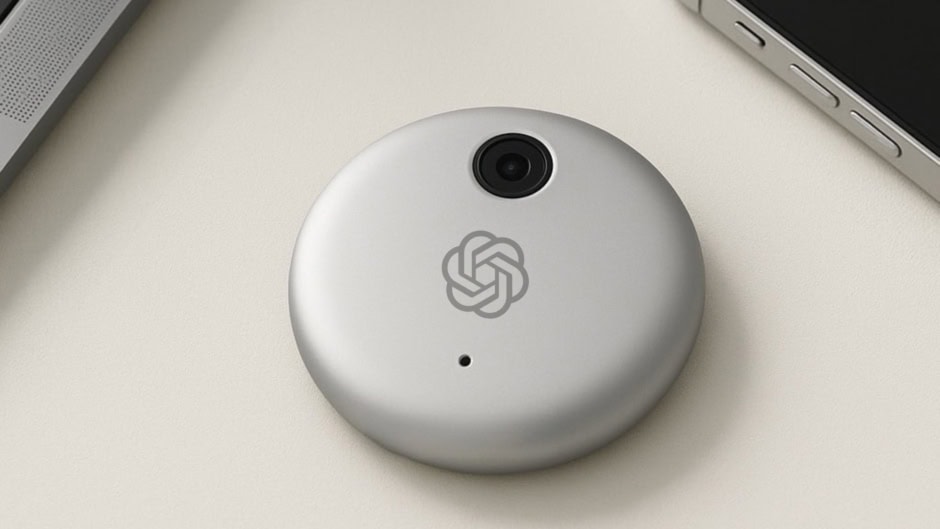
OpenAI’s first-ever AI device is generating buzz as new details emerge about its design and functionality. Reportedly resembling Apple’s iconic iPod Shuffle, the device is a collaboration with ex-Apple designer Jony Ive and aims to redefine the way users engage with artificial intelligence.
Unlike traditional smartphones or smart speakers, this AI device is expected to be screenless and wearable, equipped with a clip-on design and voice-first interface. It will rely heavily on ChatGPT’s conversational capabilities, offering real-time assistance and information on the go. OpenAI’s focus is to create a product that feels less like a gadget and more like an intuitive AI companion.
AI Device: A New Kind Of Personal Assistant
Rather than using a touchscreen, users will interact with the device through voice commands and a single button, similar to the iPod Shuffle. This minimalist approach aims to reduce screen dependency while encouraging more natural, fluid interaction with AI. The device will also include a text-to-speech engine and on-device intelligence, potentially reducing reliance on cloud computing for basic queries.
This new hardware is actually a project of a startup incubated by OpenAI and backed by SoftBank, with investment reaching up to $1 billion. The team behind the project includes key engineers and designers who previously worked at Apple, suggesting a strong emphasis on user-centric design and premium hardware quality.
Market Disruption or Experimental Hype?
OpenAI hopes to launch the device by late 2025, with mass production targeted for 2027. If successful, this AI-first gadget could represent a major shift in personal technology. Efforts such as these have the power of moving people from screens and apps to seamless, voice-based interaction.
While it’s too early to predict mass adoption, one thing is clear. OpenAI isn’t just chasing the future of AI software—it’s building the hardware to match. And if the device lives up to expectations, it might just become the iPod of the AI age.