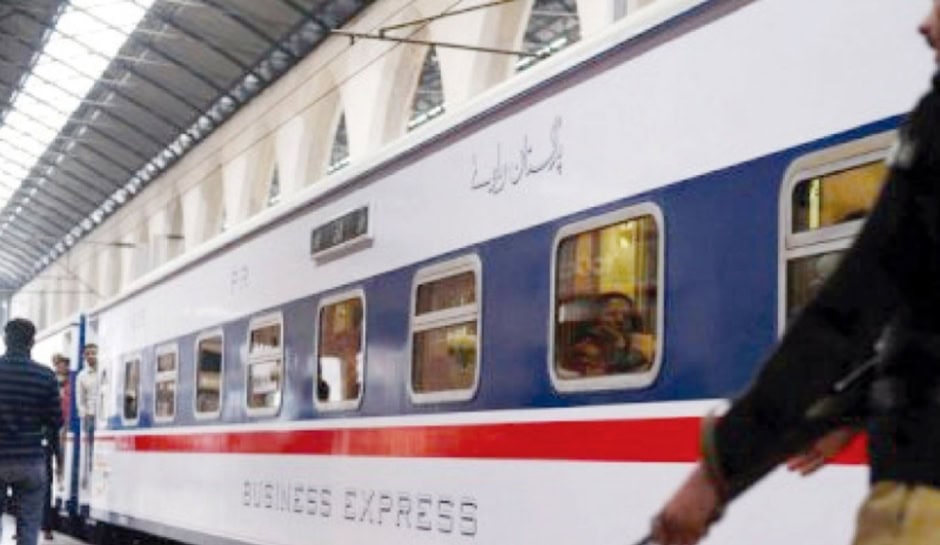
LAHORE: After years of controversy and courtroom battles, Pakistan Railways is all set to reintroduce the Pak Business Express, a project that once stood as a symbol of innovation through public-private partnership (PPP) but eventually collapsed under the weight of mismanagement and mistrust.
The newly revamped train will be formally launched by the Prime Minister in the coming days, offering upgraded coaches, improved seating, and modern facilities such as Wi-Fi and enhanced catering features, the railway authorities claim, that meet “international standards.”
But the story behind this gleaming comeback tells a more sobering tale.
A Promising Start Derailed by Bureaucracy and Disputes
Launched in February 2012 under then-Prime Minister Yousuf Raza Gilani, the Pak Business Express was seen as a major shift in Pakistan’s railway history. It was the first privately managed passenger train. The project was a collaboration between Pakistan Railways and the Four Brothers Group. Its goal was to connect Lahore and Karachi with better service and less government burden.
However, things quickly went off track.
According to a “retired railway officer”, internal resistance began almost immediately. The idea of private control sparked anxiety among railway officials who viewed the move as a threat to their traditional authority and income streams. This friction led to delays, inefficient coordination, and operational hurdles.
On the private side, the Four Brothers Group struggled with financial discipline and logistical constraints.
A former executive admitted, “Our intention was genuine, but we faced constant operational difficulties and a hostile environment.”
The group’s inability to fulfill its contractual obligations, particularly in terms of timely payments, led to prolonged legal wrangling. By 2015, Pakistan Railways pulled the plug and took over the service entirely.
PPP in Pakistan Railways
The failure of the Pak Business Express wasn’t an isolated incident. Subsequent PPP efforts, including ventures like the Shalimar Express and Green Line, have also faced setbacks due to “lack of trust, payment disputes, and operational bottlenecks.”
Today, nine trains still run under PPP arrangements, and the government plans to outsource 11 more. Despite this, analysts remain skeptical.
Transportation expert Zubair Sheikh cautions that infrastructure upgrades alone won’t solve the problem. “Unless Pakistan Railways changes its institutional mindset and establishes clear, enforceable contracts, we risk repeating the same mistakes,” he said.
Cautious Optimism for a Fresh Start
Pakistan Railways is confident that this time will be different. A senior official emphasized that the revival of Pak Business Express isn’t just cosmetic. “We are committed to making it a sustainable success.”
Commuters like Asad Khan recall the train’s early days fondly: “It was like flying on tracks.” However, he also points out current concerns, rising ticket prices, deteriorating infrastructure, and routine derailments, which may deter both business and budget-conscious travelers.
In a market already served by multiple premium trains, the stakes are high. Whether the Pak Business Express can truly make a comeback or become another case study in failed reform remains to be seen.