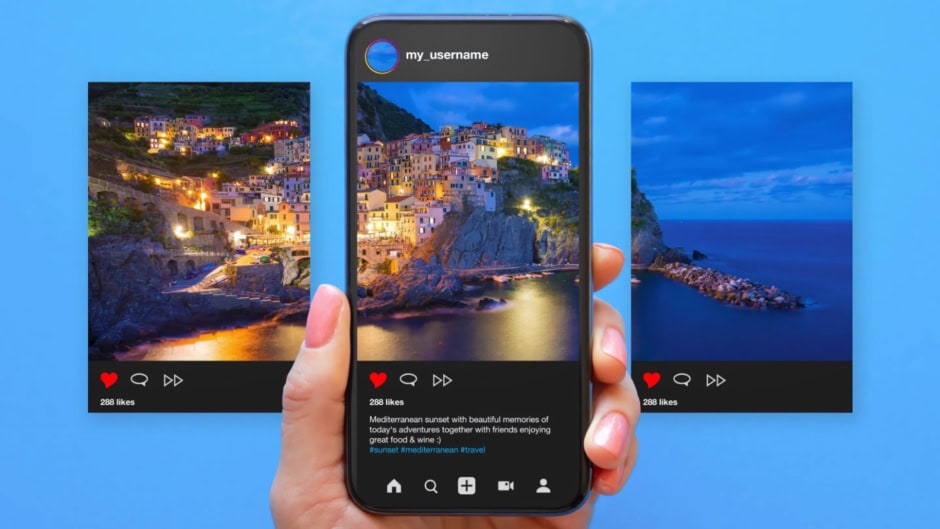
Instagram is testing a new feature that could change how users engage with carousel posts. The platform is now experimenting with showing like counts for each individual frame within a carousel, rather than just a total like count for the entire post.
How the New Like Counts Feature Work
In this limited test, users will be able to see how many likes each photo or video in a carousel receives. This means instead of a single total for the whole post, users can get a breakdown of which specific images or videos are resonating most with their audience.
According to Instagram’s head, Adam Mosseri, the idea is to give creators more detailed feedback. It will help users understand which parts of a multi-image post are performing better and may influence how carousels are built in the future.
Why Instagram Is Doing This
This update seems to be aimed at creators and brands who use carousel posts to showcase multiple products, outfits, or ideas. With individual like counts, they’ll be able to track what drives engagement frame by frame. It also introduces a new layer of interaction, potentially increasing the time people spend exploring each part of a post.
Instagram has been actively exploring ways to expand analytics and feedback tools. Features like carousel frame likes align with its broader push to offer more creator-focused metrics, especially as the app continues to compete with TikTok and YouTube for creator attention.
What Like Counts Means for Users and Creators
This change could encourage users to craft more intentional carousels and experiment with different content styles across frames. For brands, it might allow more accurate A/B testing of visuals in a single post, helping refine what resonates with followers.
However, it also raises questions about added pressure on individual users. Just as users once worried about overall like counts, breaking them down per frame may lead to overthinking each post component. It does not dampen the research-backed adverse effects of social media in any way. Instead there is a likely chance this new feature will increase it.