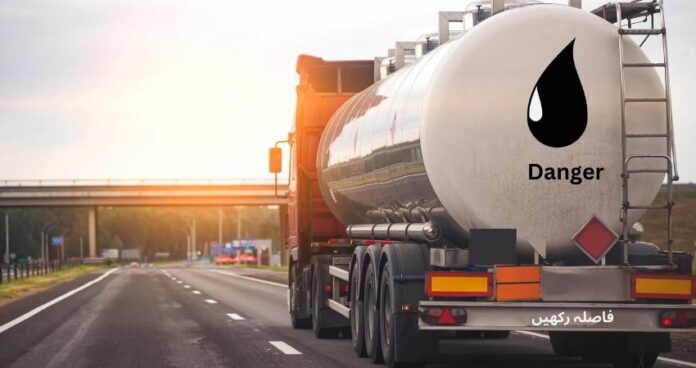
The petroleum, oil, and lubricants (POL) sector has emerged as the largest contributor to Pakistan’s customs duty collection, bringing in Rs. 291 billion during FY 2024-25, according to the Federal Board of Revenue (FBR). This represents 22.7% of total customs revenue, despite a slight dip in POL import volumes and lower global oil prices.
Customs duty plays a crucial role in Pakistan’s overall tax framework, serving as a key source of non-direct revenue. The performance of sectors like petroleum and automobiles often indicates broader economic and trade trends linked to global prices and import demand.
The FBR reported that total customs duty collection reached Rs. 1,284.6 billion, marking a 16.4% increase from Rs. 1,104.1 billion last year. The growth was driven by higher dutiable imports, even as certain categories, such as POL, saw reduced import values.
Despite the decline in petroleum import revenue by 9.1%, the sector maintained its leading position, followed by vehicles, which contributed 13.4% of total customs duty and accounted for over 41% of annual growth.
An FBR official said,
“The increase in customs collection reflects improved import management, digital monitoring, and targeted enforcement to achieve near 95% of our annual target.”
The FBR confirmed that customs duty contributed 10.9% to total tax revenue in FY 2024-25, underscoring its importance in fiscal performance.
Economists note that despite lower global oil prices, Pakistan’s import composition remains heavily dependent on petroleum products, which continue to dominate customs duty inflows. The automotive sector’s resurgence also signals partial recovery in consumer demand and trade confidence.