Apple closed its fourth quarter with $102.5 billion in revenue, marking another strong performance despite persistent supply and trade challenges. Speaking with CNBC, CEO Tim Cook said demand for the company’s latest devices remains high, though supply chain constraints continue to affect production.
Cook acknowledged that several models of the iPhone 17 and even some from last year’s iPhone 16 lineup are still facing shortages. The company, he noted, is working closely with suppliers to meet demand heading into the busy shopping period.
Apple expects its December quarter to extend that momentum, projecting revenue growth between 10% and 12% compared to last year. Cook described the outlook as “optimistic,” adding that the company is entering the holiday season with strong consumer interest across its ecosystem.
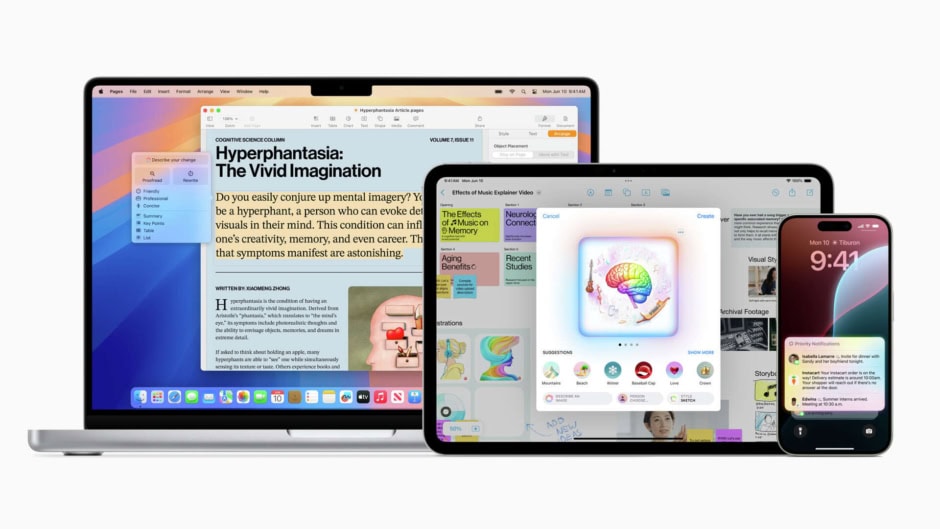
On the innovation front, Cook reaffirmed Apple’s plans to roll out its AI-powered Siri next year. The upgraded assistant, originally planned for release earlier this year, is now expected to debut in March 2026. According to Cook, Apple’s AI work will continue to play a “central role” in shaping the company’s future software and hardware experiences.
The tech giant is also expanding its Apple Intelligence suite, following its 2024 partnership with OpenAI. Cook confirmed that Apple is negotiating additional AI collaborations but stopped short of naming potential partners.
Meanwhile, tariffs remain a costly burden. Cook revealed that Apple faced $1.1 billion in extra expenses during the September quarter, with that number likely to climb to $1.4 billion in the next quarter. The added costs, he said, underscore ongoing trade pressures that could persist into 2025.
Despite those challenges, Cook maintained a confident tone, citing steady demand and strong execution. “We’re focused on delivering innovation while navigating global complexities,” he said, signaling Apple’s determination to sustain growth in an uncertain economic landscape.