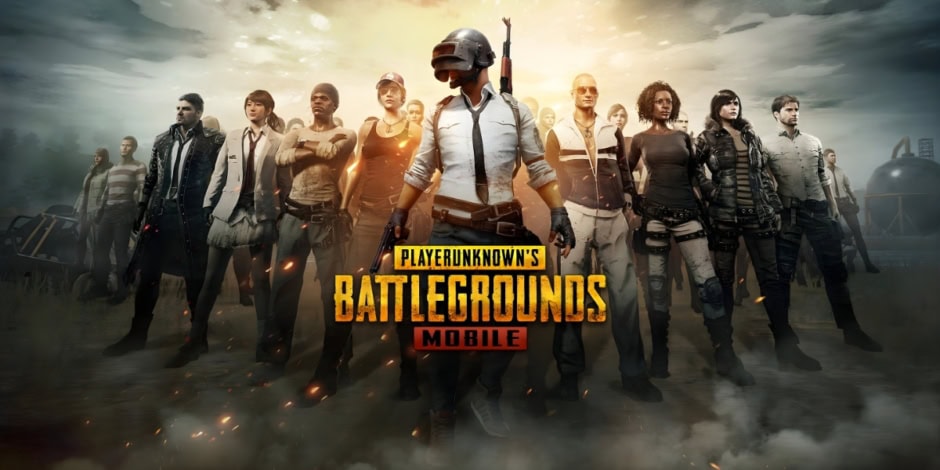
PUBG Mobile is undeniably popular in Pakistan. There is no denying that it has built careers for many professional gamers and YouTubers across the country. However, the golden days of PUBG Mobile might be ending sooner than most think.
Players are finding recent updates increasingly boring. Instead of innovation, these patches often make the game heavier and significantly more laggy. Yet, technical decline is only half the story. The game’s massive success has also come at a steep social cost.
For years, the title has stood at the centre of intense national controversy. Parents, police authorities, and social commentators frequently view the battle royale shooter as a serious threat rather than harmless entertainment.
The Hardware Barrier & Creator Exodus
A major point of frustration is the hardware requirement. The game now demands high-end devices to run smoothly, effectively shutting out young players who cannot afford expensive smartphones. The performance issues are undeniable. The lag players face while landing at “Hot Drop” locations is crazy. Instead of a smooth battle, you just see players glitching all over your screen.
Furthermore, the updates feel stale. They simply make the game heavier and choppier without adding real value. In stark contrast, alternatives like COD Mobile are doing way better in this regard, offering smoother performance and more optimised gameplay.
Perhaps the most telling sign of decline is the matchmaking experience. The game nowadays often loads you into lobbies filled with bots and no real players. Consequently, the active player count has dropped significantly.
This decline is visible in the content community as well. Even popular YouTubers, including Star ANONYMOUS, are moving away from the game as it is dying slowly and losing its popularity. These observations clearly highlight the downward spiral in which PUBG Mobile is currently stuck.
The Rise of a New King
The decline is statistically evident on the global stage as well. While PUBG Mobile was the undisputed face of mobile esports at The Game Awards from 2018 to 2023, the tide has turned. In 2024 and 2025, Mobile Legends: Bang Bang (MLBB) usurped that position, securing back-to-back nominations for “Best Esports Game”, a category PUBG Mobile has been pushed out of.
Furthermore, MLBB achieved a milestone PUBG never could. An MLBB team, Team Liquid PH, was nominated for “Best Esports Team” in 2025. This signals a clear shift in power, with the industry now favouring MLBB over the ageing battle royale.
PUBG Mobile: A History of Violence & Tragedy
The most alarming criticism of PUBG Mobile involves its repeated links to the loss of life. Over the years, police investigators have explicitly attributed several suicides to the game. In Lahore, authorities recommended banning the application entirely after a teenager tragically took his own life when stopped from playing.
Furthermore, these are not isolated incidents. Various police reports from Punjab suggest the game desensitises youth to violence. Consequently, this immersion often leads to aggressive behaviour in real-life disputes.
The stability of the game has been consistently rocky. The Pakistan Telecommunication Authority (PTA) has banned and unbanned the title multiple times. In July 2020, the PTA notably labelled the game “immoral and repugnant”. They cited complaints regarding its addictive nature and its “serious negative impact on the physical and psychological health of children”.
In addition to regulatory bans, the game has faced numerous legal battles. The Lahore High Court and Islamabad High Court have frequently debated its status. These legal proceedings highlight that the state often views PUBG as a public nuisance rather than a simple e-sport.
Social Decay & Financial Strain Caused by PUBG Mobile
Beyond the courts, the game has disrupted the traditional Pakistani family structure. Parents regularly report significant drops in academic performance as students play late into the night. Moreover, the game fosters “social withdrawal”. This is an interesting claim, as the game itself is a social platform on which players interact and play with and against one another. In a culture that prizes joint families and social interaction, players often isolate themselves in their rooms, refusing to engage with guests or relatives.
Finally, the game imposes a heavy financial burden. Children have reportedly used their parents’ credit cards without permission to purchase “Royal Passes” and “Skins”. In an economy facing inflation, this unauthorised spending creates deep resentment within households.
While the youth defend it, the prevailing narrative among Pakistan’s older generation remains clear: PUBG Mobile is a public health hazard.