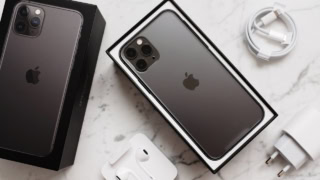
Apple’s latest iPhone update cycle has turned into an unusually high stakes decision for a massive user base, after reports and user evidence showed the company no longer offers the iOS 18.7.3 security update to iPhones that are capable of running iOS 26.2, effectively pushing those devices onto the newer release to remain protected.
The shift matters because Apple released iOS 26.2 on December 12, 2025, alongside iOS 18.7.3, but its own security documentation indicates that iOS 18.7.3 is available only for models that cannot upgrade to iOS 26, such as the iPhone XS, XS Max, and XR. As a result, iPhone 11 models and newer now have iOS 26.2 as the only standard update path.
Coverage across multiple outlets and user forums has converged on the same outcome. Users running iOS 18 on iPhone 11 class devices and newer reported that iOS 18.7.3 does not appear in Software Update, while responses from Apple’s support community suggest the company has stopped signing iOS 18 builds for devices eligible for iOS 26.
This effectively makes iOS 26.2 the sole route to receiving the latest security fixes. Some observers view this as a departure from Apple’s previous practice of continuing security patches on older major versions for users who prefer to delay full upgrades, while others interpret it as a move to tighten the support model, reduce software fragmentation, and accelerate adoption of the latest release.
Security urgency sits at the center of the issue. Independent security analysis indicates that Apple recently patched two actively exploited WebKit zero day vulnerabilities, tracked as CVE 2025 14174 and CVE 2025 43529, which may have been used in highly sophisticated targeted attacks. The presence of in the wild exploitation, combined with a forced path to the patched version, increases pressure on individual users and organizations managing large iPhone fleets, as delaying updates now carries a more immediate security risk than a typical feature upgrade cycle.
At the same time, user hesitation remains. Commentary around iOS 26 highlights practical concerns such as storage requirements, potential battery impact after upgrading, and mixed reactions to Apple’s Liquid Glass interface redesign, even as iOS 26.2 introduces visible quality of life improvements and additional protections.
For hundreds of millions of owners of iPhones capable of running iOS 26, the decision is no longer whether to upgrade eventually, but whether to upgrade now in order to remain on the most current security baseline.