The federal government is set to impose new taxes on imported electric vehicles (EVs). This strategic move aims to reduce the transport sector’s import bill by up to $9 billion. The government intends to promote local manufacturing through these targeted taxes and incentives.
Officials shared these updates during a meeting of the Senate Standing Committee on Industries and Production on Monday. Senator Khalida Ateeb chaired the meeting.
Push for Local Manufacturing: Taxing Imported EVs
The government will tax imported EVs while offering zero or minimal duties for locally manufactured units. Duties will also apply to imported EV parts to encourage domestic production.
The Ministry of Industries has already issued licenses for EV manufacturing. These include:
- 17 licenses for three-wheeled and four-wheeled vehicles.
- 77 licenses for electric motorcycles.
- 4 additional licenses for three-wheeled and four-wheeled vehicles are currently in the pipeline.
The government has set an ambitious target for 2030. They aim for electric vehicles to comprise 30 per cent of total vehicles. This estimates roughly 2.2 million EVs entering the market.
Subsidies & Infrastructure Expansion
To support adoption, the government introduced significant subsidies. They will fund these incentives through a carbon levy expected to generate Rs. 120 billion.
- Electric Motorcycles: A subsidy of Rs. 80,000 per unit. The government targets 116,000 units this year.
- Three-Wheeler EVs: A subsidy of Rs. 400,000 per unit. The target is 3,170 rickshaws this year.
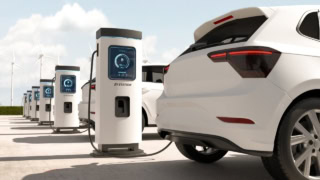
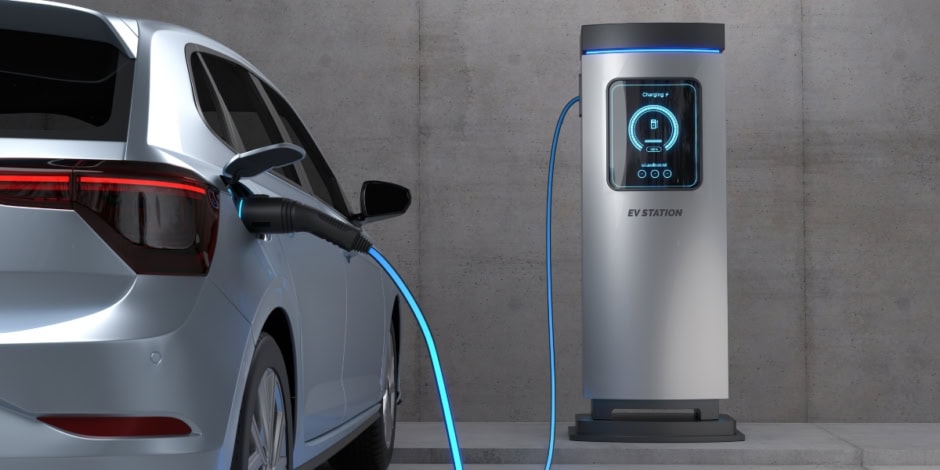
Furthermore, officials identified 40 locations for EV charging stations from Peshawar to Karachi. New legislation is underway. It will mandate two charging stations at new petrol pumps and at least one at existing pumps.
Quality Concerns & Market Challenges
Despite the ambitious plans, significant hurdles remain. Ministry officials admitted that locally manufactured vehicles do not yet meet global standards. However, they are taking steps to improve quality.
Additionally, investors currently face administrative delays. A one-window facility for setting up manufacturing units is not yet available, though work is in progress. The Engineering Development Board (EDB) CEO Hamid Ali Mansoor also noted that reforms are underway to end illegal data manipulation practices at the EDB.
Consumers are also facing price issues. Senator Danish Kumar highlighted that charging stations are selling electricity at inflated rates. Operators are ignoring the notified rate of Rs. 39 per unit. The committee has summoned the Ministry of Power to clarify this non-compliance at the next meeting.