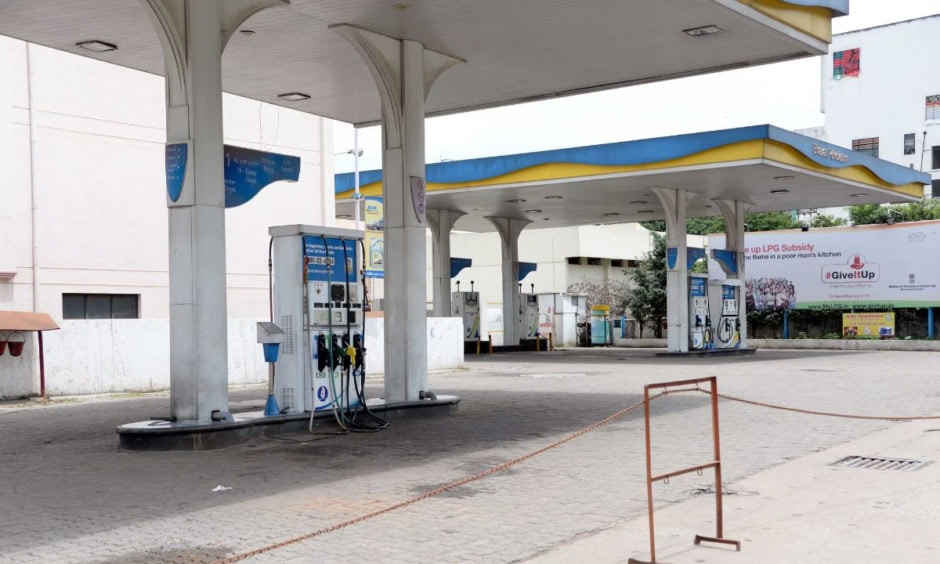
The Islamabad district administration has asked people to report any petrol or diesel station that refuses to provide fuel, stressing the importance of timely citizen notifications.
Deputy Commissioner Islamabad advised residents to immediately inform authorities if any fuel outlet declines to serve petrol or diesel, ensuring complaints are sent through official channels without delay.
Citizens can report such cases to the Islamabad District Administration Control Room at 051-9108084 or use the administration’s verified social media accounts to share full details of the incident.
The administration emphasized that public cooperation is vital to maintain fair fuel distribution, prevent shortages, and allow authorities to take swift action against stations violating supply regulations.
Islamabad Reports Fuel Refusals
The advisory follows reports that several petrol pumps in Islamabad refused to supply petrol and diesel to customers, raising concerns among residents about possible disruption in fuel availability.
In many parts of the city, long queues of vehicles were seen outside fuel stations, where motorists waited for hours hoping to refill tanks as some outlets displayed closed signs.
Several citizens said they stood in long lines for extended periods but were later told fuel was unavailable, forcing many drivers to leave stations without filling their vehicles.
Similar complaints were also reported from different areas of Punjab province, where residents claimed some petrol pumps declined to supply fuel despite large numbers of vehicles waiting.
Fuel Prices Raised
Earlier, the government announced a sharp increase of Rs55 per litre in the prices of petrol and high-speed diesel, citing rising global oil markets.
Petroleum Minister Ali Pervaiz Malik confirmed the decision during a press conference held in Islamabad, alongside senior cabinet members and key economic officials.
The announcement came as authorities reviewed developments in international energy markets and assessed potential impacts on Pakistan’s fuel supply and overall economic stability.
Officials said the price increase was necessary to address the rapid surge in global petroleum costs linked to geopolitical tensions and disruptions in energy markets.
The government described the decision as a difficult but necessary step aimed at managing the country’s fuel supply and maintaining economic stability during a period of global uncertainty.