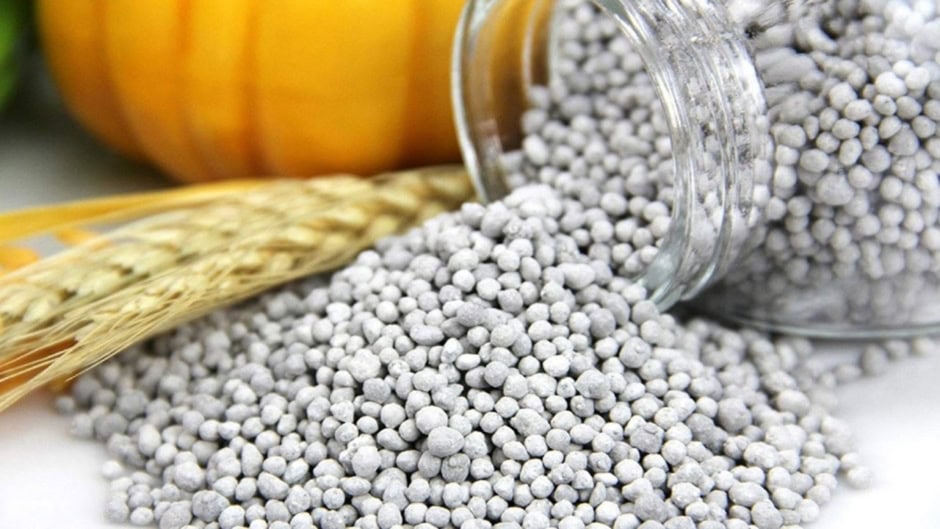
Pakistan’s farming sector is now facing fresh challenges as rising tensions in the Middle East disrupt global fertilizer supplies. Prices are climbing, shipments are delayed, and concerns are growing, especially for Di-Ammonium Phosphate (DAP), a crucial fertilizer for crops. With heavy reliance on imports, the country could face serious consequences if the situation continues.
The instability has hit global fertilizer markets hard, particularly in the Gulf region, which supplies a large portion of the world’s urea. Slowed production and shipping delays have caused international prices to jump sharply, with urea now trading at $740-$750 per ton.
For Pakistan, the impact is already clear. Imported urea now costs between Rs. 13,700 and Rs. 14,700 per bag, while locally produced urea remains at about Rs. 4,400 per bag. This local supply is helping farmers manage costs and shielding them from sudden price shocks.
Currently, the country holds roughly 0.9 million tones of urea stock, enough for the upcoming Kharif season if domestic production continues uninterrupted. This buffer has prevented an immediate crisis, keeping farming costs stable and protecting crop yields.
The bigger worry, however, is DAP. Pakistan produces only about 0.7 million tonnes annually, while demand can reach up to 2.3 million tonnes. The shortfall is met through imports, making the country vulnerable to global disruptions.
Experts caution that if tensions in the Middle East persist, DAP prices could rise further. This may force farmers to cut back on usage, potentially affecting crop production and contributing to higher food prices.
The fertilizer sector has faced similar challenges in the past, particularly during global supply chain disruptions and energy shortages. Each time, the lesson has been clear: heavy dependence on imports leaves the country exposed to international shocks.
For now, keeping local production steady and ensuring uninterrupted gas supply to fertilizer plants remain top priorities. While these steps can ease immediate pressure, long-term solutions will require stronger domestic production capacity and careful planning.