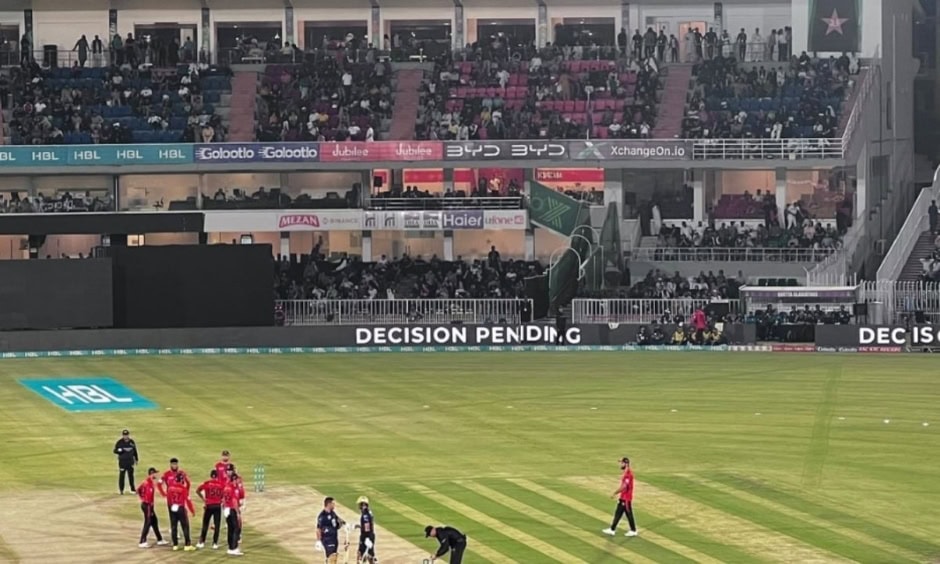
The Pakistan Cricket Board (PCB) is currently reassessing its decision to hold the 2026 Pakistan Super League (PSL) matches behind closed doors amid requests and public discussions.
Any potential change to the current spectator policy will depend on updated security assessments and a formal directive from the federal government authorities overseeing public events.
Fans Push for PSL Stadium Return
Cricket fans have launched a widespread social media campaign urging authorities to allow spectators at remaining PSL fixtures of the 44‑match tournament nationwide.
Supporters expressed their interest in attending matches, emphasizing the importance of live atmosphere and highlighting the financial contribution of ticket sales to the sustainability of the league.
The online campaign has gained momentum quickly, reflecting public enthusiasm for the league and pressuring stakeholders to consider relaxing current restrictions on attendance.
Franchise Owners Appeal to Prime Minister
Franchise owners have formally submitted appeals to Prime Minister Shehbaz Sharif requesting that stadiums reopen to fans to ensure financial viability of PSL operations.
Officials indicated that allowing spectators would require coordination between franchises, security agencies, and the PCB, taking into account current resource limitations and potential crowd management challenges.
The appeals followed discussions among team executives, who emphasized that spectator presence is critical for franchise revenue and long-term league growth in Pakistan.
Current Logistics and Tournament Operations
The tournament began on Thursday in Lahore without spectators due to a regional fuel crisis and government-imposed austerity measures limiting nonessential travel by the public.
PCB Chairman Mohsin Naqvi previously stated that matches would be restricted to Karachi and Lahore to conserve fuel and resources amid the ongoing West Asia conflict.
Refunds have already been processed for fans who purchased tickets for early matches, while television broadcasts remain the primary medium for spectators during current logistical constraints.