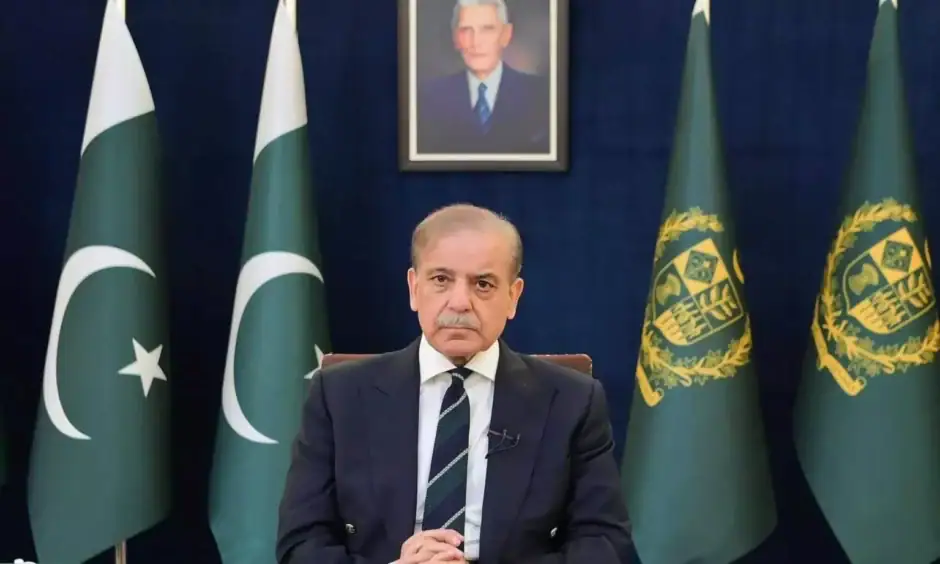
When the Middle East conflict sent oil prices into a tailspin that the world had not witnessed in decades, most governments did what was expected of them: they passed the burden to their citizens. Prime Minister Muhammad Shehbaz Sharif chose a different path. He absorbed the shock, and in doing so, he revealed a quality that is rare in political leadership anywhere in the world: genuine compassion backed by decisive action.
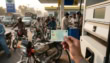
For three consecutive weeks, as global crude prices climbed past every previous record, the Prime Minister ensured that not a single rupee of the increase was passed on to the public. The government spent Rs 129 billion from national resources to keep petroleum prices stable. While citizens in multiple countries were standing in petrol lines stretching for kilometres, Pakistanis went about their daily routines. Fuel stations remained open. Supply lines were never disrupted. There was no rationing, no panic, and no shortage, even during the Eid period, when demand traditionally surges.
This did not happen on its own. It happened because PM Shehbaz Sharif took pre-emptive steps to secure supply chains, coordinated proactively with refineries and importers, and demanded daily situation reports from the Petroleum Ministry. His was a hands-on approach that ensured supply continuity while the rest of the world scrambled.
But the Prime Minister understood that price stability alone was not enough. Even before the petroleum crisis, his government had demonstrated an unwavering commitment to the most vulnerable segments of Pakistani society. The Rs 38 billion Ramadan Relief Package, launched in February, delivered Rs 13,000 to each of 12.1 million deserving families through a fully digital, cashless mechanism that replaced the old system of utility store distributions. That earlier system had forced families to stand in long queues for substandard items. PM Shehbaz Sharif abolished it, introduced direct digital transfers, and ensured a third-party audit confirmed the process was transparent and free of corruption.
The Kafalat programme under BISP, now disbursing Rs 14,500 per quarter to 10 million families, has continued to grow under this government. The short-term goal of cushioning the poor from inflation and the long-term objective of eradicating extreme poverty are both being pursued with seriousness and scale. These are not slogans. These are programmes with real budgets, real beneficiaries, and real audits.
When the petroleum crisis deepened further and international benchmarks were crossed, PM Shehbaz Sharif did something historic. He convened the leadership of all four provinces, Gilgit-Baltistan, and Azad Jammu and Kashmir to forge a nationally unified response. What emerged was a comprehensive, targeted subsidy programme: Rs 100 per litre for motorbike owners, Rs 70,000 to Rs 100,000 per month for transporters, Rs 1,500 per acre for small farmers, and a freeze on economy-class railway fares.And then, on Friday night, the Prime Minister went further still. He announced an immediate Rs 80 per litre reduction in the petroleum levy, bringing petrol down from Rs 458 to Rs 378. He extended the salary sacrifice of Federal Cabinet members from two months to six months. Every rupee saved will go straight to the national exchequer.This is a Prime Minister who does not wait for crises to become unmanageable. He acts early, acts decisively, and acts with the common man at the centre of every decision.