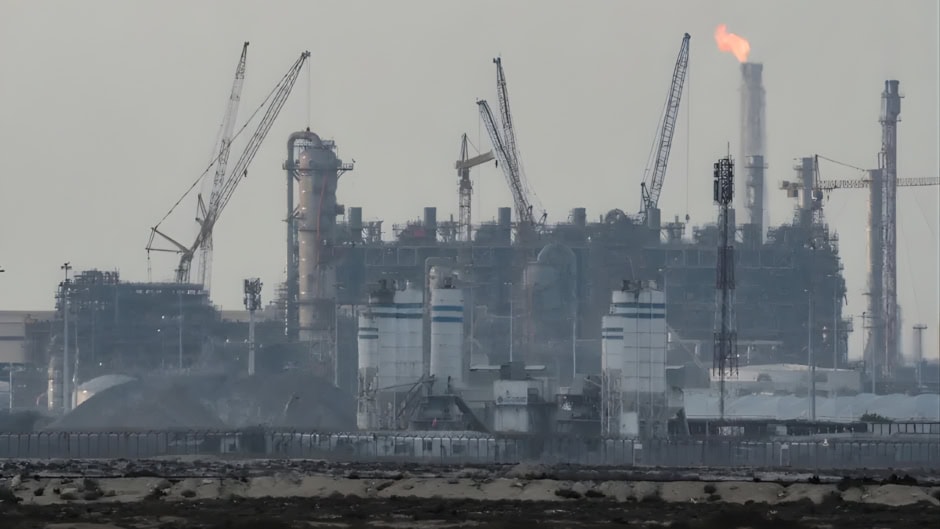
The government has officially suspended all new RLNG connections across Pakistan. This moratorium will remain in effect until supply lines normalize. Currently, the country is hit with an LNG crisis and faces severe gas shortages. A production halt at a 77 mtpa facility in Qatar triggered this crisis in March 2026.
Consequently, Qatar declared Force Majeure on LNG shipments. Several scheduled March cargoes failed to arrive via the Strait of Hormuz. This disruption directly threatens Pakistan’s power and industrial sectors. Before this force majeure, Pakistan had already negotiated the diversion or deferral of 20 to 29 LNG cargoes scheduled for 2026. High import costs and low domestic demand drove these late-2025 negotiations.
Profit Calculations Under Review
Despite switching from expensive imported RLNG to cheaper domestic gas, consumer prices remain unchanged. Therefore, Sui Northern Gas Pipelines Limited (SNGPL) and Sui Southern Gas Company Limited (SSGCL) must calculate their extra profits. They will work directly with the Oil and Gas Regulatory Authority (OGRA) and the Task Force on Power. Ultimately, they will present these calculations to the newly established National Coordination and Management Council (NCMC).
NCMC Intervenes to Manage Supply
The NCMC operates with support from the Special Investment Facilitation Council (SIFC) secretariat. The council has taken a high-pressure oversight role to mitigate the shortages. Specifically, it will strictly monitor domestic exploration and production (E&P). Major players like Mari, OGDCL, PPL, MOL, and UEP must report new gas additions.
Furthermore, the NCMC demands regulatory streamlining. Officials will submit a monthly progress report starting May 8, 2026. This report covers the rationalization of timelines for the Directorate of Petroleum Concessions and Gas. Additionally, the Additional Secretary Policy for the Petroleum Division must ensure immediate allocation of any new E&P gas to SNGPL and SSGCL.
LNG Crisis: Overhauling Domestic Demand
To further manage the dwindling supply, the NCMC directed SNGPL to overhaul its domestic demand planning. Moving forward, the utility provider must rationalize gas consumption based on three critical factors:
- SNGPL must account for the impact of hourly load shedding.
- It must factor in significant reductions in Unaccounted for Gas (UFG) and gas theft.
- It must incorporate natural seasonal reductions in consumption.