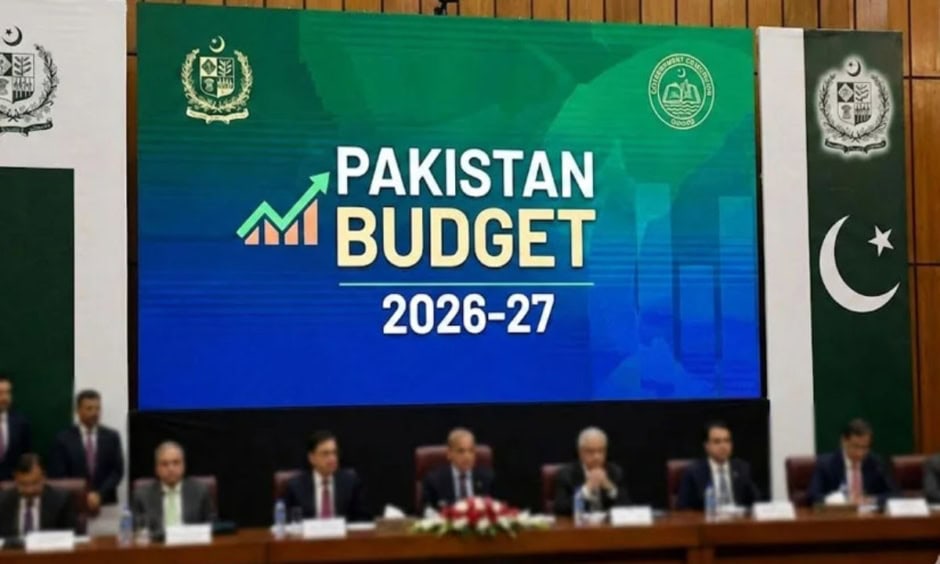
The federal government has decided to eliminate more than 2,600 trade barriers on imports and exports as part of sweeping reforms planned for the FY2026-27 federal budget next month.
The Finance Ministry confirmed that between 60 and 70 unnecessary trade restrictions will be removed in the new budget, with remaining barriers phased out on a structured schedule.
Tariff reductions
The upcoming budget proposes cutting the average tariff rate from 10.7 percent to 9.5 percent, with a further reduction to 7.4 percent targeted under the National Tariff Policy by 2030.
Regulatory duties on vehicles are planned to be reduced from 40 percent to zero over four years, while barriers in textiles, pharmaceuticals, leather, and chemicals will also be removed.
All tariff reductions will be carried out under the framework of the National Tariff Policy 2025–30, with import duty cuts also proposed as part of the same package.
IMF commitments
Pakistan has assured the International Monetary Fund (IMF) of its commitment to implementing these key trade reforms as a condition of the ongoing bailout package currently in place.
The Finance Ministry stated that reducing average tariffs will help lower import costs, while the broader reforms are expected to increase exports and attract greater foreign investment.
Further amendments to export and import policy orders will be made by November 2026, with the Cabinet Committee on Regulatory Reforms giving final approval to all proposed measures.
Salaried class relief
The federal budget, due in the first week of June, also includes a proposal to provide direct financial relief to Pakistan’s salaried class through adjustments in the income tax structure.
The super tax will be gradually reduced in consultation with the IMF, while BISP beneficiaries will receive an additional stipend increase of Rs5,000 under the new budget.
Tax exemptions
The FY2026-27 budget proposes ending existing income tax and sales tax exemptions currently enjoyed by various sectors, including those operating within special economic zones.
No new tax exemptions or concessions will be granted to special economic zones, and previously approved tax breaks for these zones will be formally withdrawn under the new budget