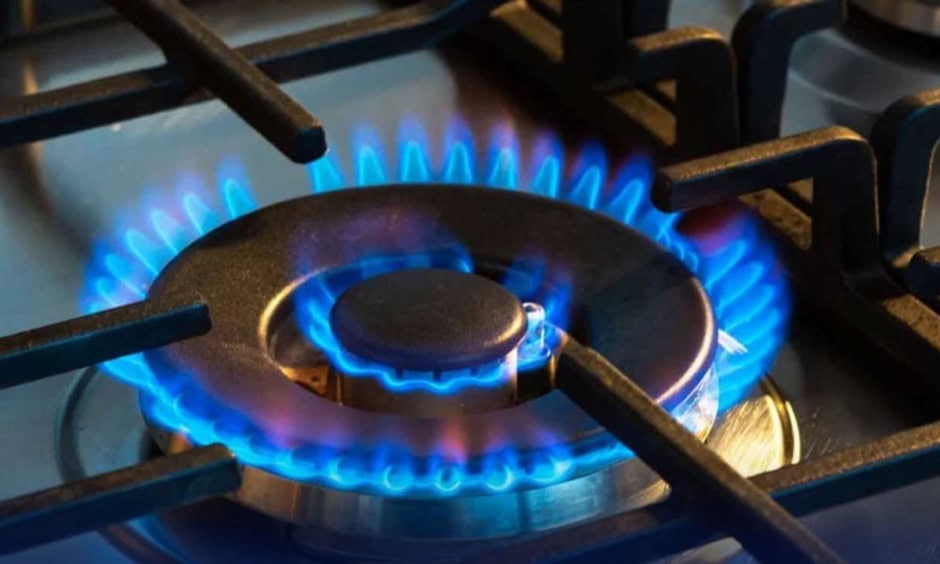
The Ministry of Petroleum has banned all new LNG-based gas connections across the country, citing a deepening supply crisis caused by ongoing regional, Iran-Israel-USA conflict.
The ban covers both domestic and commercial consumers, halting fresh applications as authorities assess the availability of liquefied natural gas supplies.
Officials said the ban may be reviewed and applications could reopen within two weeks, depending entirely on whether the supply situation shows clear improvement.
The Iran–US war has disrupted shipments of LNG to Pakistan, placing severe pressure on an energy supply chain already under significant strain from earlier disruptions.
Strait of Hormuz at centre of crisis
The Strait of Hormuz, a critical route for global energy shipments, remains closed to normal traffic due to ongoing hostilities between Iran and the United States.
Officials have warned that a permanent ban on all new gas connections may be imposed if the Strait of Hormuz does not reopen within a foreseeable timeframe.
Higher costs already burdened consumers
The federal government had lifted a previous ban on new connections months earlier, allowing households and businesses to apply for RLNG-based connections.
RLNG connections cost nearly four times more than traditional gas connections, a price gap that has placed the new supply beyond reach for many consumers.
Before the earlier ban was lifted, the standard domestic demand notice for a new gas connection stood at Rs6,500 per applicant throughout Pakistan.
Under the new RLNG system, that demand notice rose sharply to Rs23,500, making connections significantly more expensive for both domestic and commercial consumers.
Consumers applying on urgent terms were charged an additional Rs25,000 as an urgent demand notice, bringing total costs for a new connection to around Rs50,000.
History of bans and reversals
The original ban on new gas connections was first imposed during the PTI-era government, cutting off fresh applications for both residential and commercial customers nationwide.
The federal government later reversed that ban, allowing new RLNG-based connections to be issued to applicants on a priority basis across the country.
The latest ministerial decision reinstates restrictions on new connections, as the gas supply authorities review the LNG import situation and its future outlook.