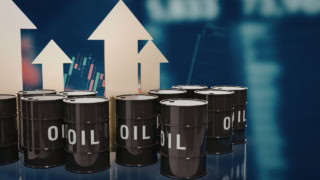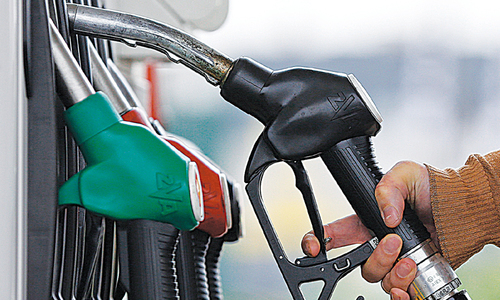
Fuel prices in Pakistan now include a significantly higher share of taxes, levies, and distribution costs than many household utility bills, according to official price breakdown data.
Recent revisions approved by the government have pushed petrol and diesel prices close to Rs. 400 per litre, intensifying the financial burden on consumers and businesses alike.
The price of Motor Spirit (petrol) has reached Rs. 399.86 per litre, with approximately Rs. 153.55 per litre attributed to taxes, levies, and margins.
The largest portion comes from the petroleum levy, which stands at around Rs. 103.50 per litre. Additional charges include Rs. 23.72 per litre in customs duty and a Rs. 2.50 climate support levy.
Operational costs further inflate the price, with Rs. 17.14 per litre charged as inland freight, Rs. 7.87 allocated to oil marketing companies, and Rs. 8.64 paid as dealer commission.
Overall, taxes and related charges account for roughly 32 percent of the final petrol price.
For Diesel fuel, the price stands at Rs. 399.58 per litre, with about Rs. 116.46 per litre made up of taxes, levies, and margins.
This includes Rs. 51.62 per litre in customs duty, Rs. 28.69 as petroleum levy, and the same Rs. 2.50 climate levy. Additional costs include inland freight margins, company profits, and dealer commissions.
Taxes make up around 21 percent of diesel prices lower than petrol but still a substantial burden, particularly for transport and industrial sectors.
The increasing share of non-fuel costs in retail prices means a large portion of what consumers pay goes toward government revenue and supply chain expenses rather than the base fuel cost.
Analysts warn that high fuel costs could have ripple effects across inflation, transportation, and industrial productivity, further impacting the broader economy.