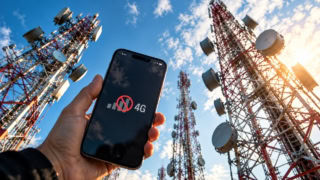
The federal government plans a major policy shift. Officials are considering reducing taxes on internet services in the upcoming FY2026-27 budget. Furthermore, they want to slash import duties on fiber optic cables. This internet tax cuts move aims to accelerate Pakistan’s digital economy and expand the IT and freelancing sectors.
Making Broadband Affordable for All
Currently, internet consumers carry a heavy tax burden. They pay a 19.5% provincial tax and a 12.5% federal withholding tax. Consequently, broadband services remain expensive for households and businesses. Policymakers are now evaluating options to ease this burden. They want to encourage wider internet adoption. This tax relief specifically targets students, freelancers, startups, and small businesses. These groups rely heavily on affordable connectivity to operate and grow.
Simultaneously, the government is reviewing a proposal to cut fiber optic cable import duties. They plan to drop these cumulative taxes from nearly 60% down to roughly 5%. Therefore, telecom operators and internet service providers can accelerate Fiber-to-the-Site (FTTS) deployment across the country.
Cheaper fiber infrastructure will improve internet quality. Moreover, it will expand high-speed connectivity into rural and underserved regions to bridge the digital divide. Telecom experts issue a clear warning. Without substantial fiberization, Pakistan will face severe challenges. The country will struggle to support next-generation mobile technologies, cloud services, smart infrastructure, and growing data demands.
Internet Tax Cuts: Industry Leaders Back the Move
Telecom and internet industry representatives strongly support these proposed tax relief measures. They argue the current tax framework stifles infrastructure investment and limits digital inclusion.
Shahzad Arshad serves as the Chairman of WISPAP. He labeled the proposals a “positive and forward-looking development”. He believes these changes will drive fresh investment, improve service quality nationwide, and increase consumer affordability.
Furthermore, a senior official involved in budget consultations called digital connectivity an “economic necessity”. He stated that it directly supports employment generation and global competitiveness. Ultimately, these upcoming budget incentives align with the broader “Digital Pakistan” vision. They lay the essential groundwork for future spectrum auctions and eventual 5G commercialization.