The Public Accounts Committee-II in Punjab has identified severe financial leakages inside the Board of Revenue, exposing losses linked to uncollected taxes, unpaid fines, and illegal plot allotments.
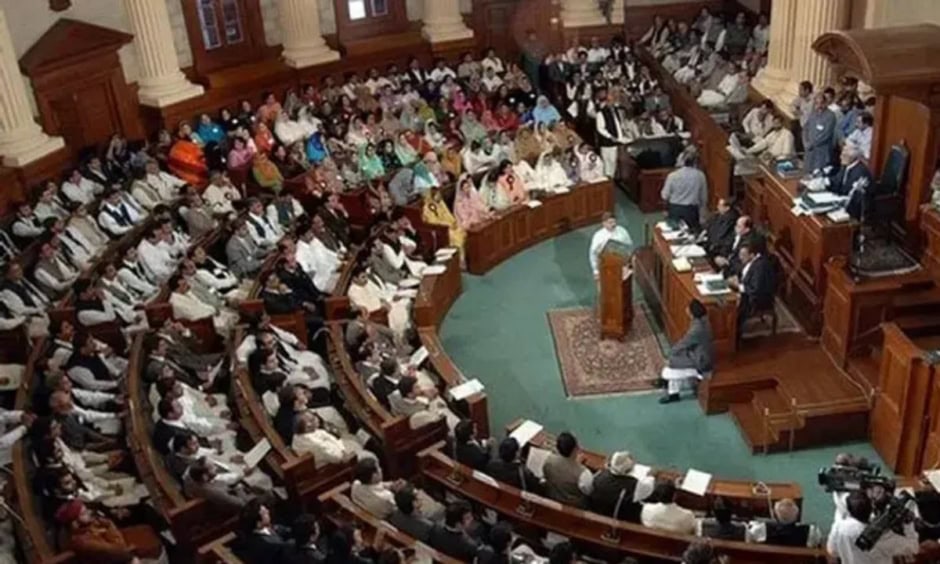
The committee meeting was chaired by PAC-II Chairman Syed Ali Haider Gilani at the Punjab Assembly, bringing together senior officials from audit, finance, and revenue departments.
Audit objections tabled before the committee revealed systemic failures in both tax collection and land management, affecting multiple districts across the entire Punjab province.
Non-banking fines and withholding tax failures
Auditors flagged the failure to collect government fines from property buyers who completed purchases through non-banking channels, bypassing documented financial tracks entirely.
The audit also revealed that withholding tax on the buying and selling of immovable properties was not collected, resulting in substantial losses to the national exchequer.
“Under-collection and total non-recovery of withholding taxes from property sellers during land transfers caused major losses to national revenue.”
Rural land irregularities and illegal allotments
Auditors uncovered deliberate under-valuation of rural lands across Punjab, leading directly to shortfalls in mutation fees collected by local revenue officials from landowners.
The committee also found that land mutations were verified without any fee submission at all, constituting unauthorised transactions that deprived the government of lawful income.
Perhaps most strikingly, 689 residential plots were found to have been illegally allotted under the Temporary Cultivation Scheme, in a blatant violation of government regulations.
Committee directives and recovery orders
Committee Chairman Syed Ali Haider Gilani directed the revenue department to fast-track the remaining recovery process on a priority basis, in order to reclaim evaded public funds.
The committee concluded its session by issuing binding directives, ordering attending officials to take all immediate administrative measures to implement the committee’s recommendations without delay.