Pakistan’s Mobile Average Revenue Per User (ARPU) has increased to Rs 326 per month in December 2025, rising from Rs 306 in 2024–25, according to the Pakistan Economic Survey 2025–26. The report highlights steady growth in telecom revenues despite Pakistan traditionally maintaining some of the lowest mobile service prices in the region.
The survey explains that ARPU growth has been supported by several structural changes in the telecom sector. These include the expansion of broadband services, adjustments in pricing regulations amid inflationary pressures, and a gradual decline in the multi-SIM usage trend. Together, these factors have contributed to a more stable and higher revenue environment for operators.
Pakistan continues to be recognized for offering some of the most affordable telecom services globally. The cost of 1 GB of mobile data is reported to be as low as $0.12, making it the lowest in the region and among the cheapest worldwide. The report further notes that data prices have followed a consistent downward trend over recent years, with the effective cost per GB declining by 56 percent since FY 2018, falling from Rs 77.1 to Rs 34.3 during July to December FY 2026.
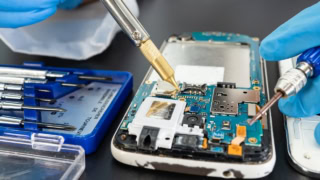
The Pakistan Telecommunication Authority (PTA) also highlighted strong growth in local mobile manufacturing under its Mobile Device Manufacturing (MDM) Regulations introduced in 2021. Between January 2019 and March 2026, Pakistan produced 161.6 million mobile handsets, including 67 million smartphones, which has contributed to job creation and increased smartphone penetration. The share of smartphones on mobile networks has now reached 71.6 percent, supported by the entry of 36 local and foreign manufacturing companies operating under long-term authorizations.
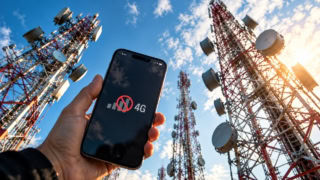
The country’s telecom infrastructure has also expanded significantly, with the total number of cell sites reaching 60,014 by December 2025. During the period from June 2022 to September 2025, operators added 8,246 new cell sites while also investing heavily in upgrading older 2G infrastructure to 4G. As a result, around 97 percent of cell sites are now 4G-enabled, reflecting rapid technological advancement in the sector.
Broadband usage has also surged in line with Pakistan’s digital growth strategy under the Digital Pakistan vision. Total data consumption across mobile and fixed broadband services reached 27,727 petabytes in FY 2025 and is projected to rise further to 30,783 petabytes in FY 2026. The report underscores that this increasing demand highlights the need for continued investment in digital infrastructure to support economic growth and connectivity.
Despite strong progress in affordability and expansion, the report notes that Pakistan’s telecom sector continues to evolve, balancing low consumer prices with rising usage and investment requirements.