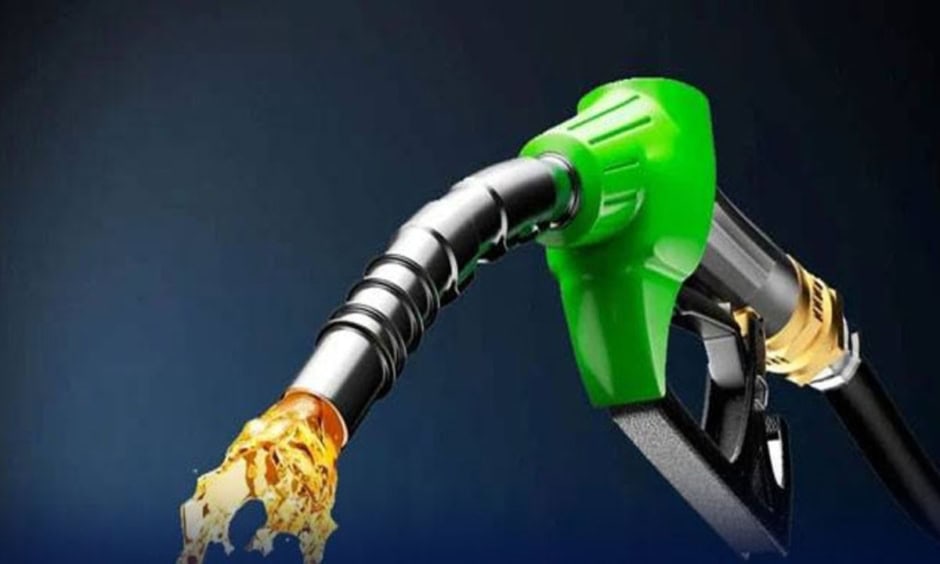
High-speed diesel (HSD) price may rise by up to Rs40 per litre and petrol by around Rs10 per litre from July 18 at 12.10am, in the upcoming fortnightly review, driven by a spike in international oil prices following renewed conflict involving Iran and the US.
Preliminary estimates based on the first four days of Platts price assessments show HSD registering the steepest increase, though the final adjustment will depend on the remaining days international pricing before the government announces revised petroleum prices.
Officials said the federal government is also examining a reduction in the petroleum levy to partially absorb the increase and provide relief to consumers.
The anticipated hike has already triggered supply disruptions in parts of the country, with reports of hoarding of high-speed diesel by certain market players in anticipation of higher prices. The practice has led to shortages in several areas, with a number of filling stations temporarily running out of diesel stocks despite adequate overall petroleum inventory nationwide.
The supply situation was reviewed at a meeting of the National Committee on Monitoring and Coordination (NCMC), attended by representatives of the Oil Companies Advisory Council (OCAC), the Oil and Gas Regulatory Authority (OGRA) and other government stakeholders.
The OCAC highlighted supply-side challenges arising from an unusual increase in petroleum product sales during the first 15 days of July, with demand significantly higher than normal consumption patterns, raising concerns that additional volumes were being diverted for stockpiling rather than consumer use.
Analysis presented by OGRA at the meeting indicated that the abnormal rise in sales could be linked to hoarding by certain dealers and distributors expecting a substantial upward revision in petroleum prices.
The NCMC directed OGRA to strengthen enforcement and intensify market monitoring to curb hoarding and speculative practices, and called on provincial governments to launch inspections and take immediate action against anyone found creating artificial shortages or disrupting fuel supplies.
Officials maintained that the petroleum stocks of the country remain sufficient to meet current demand and stressed there is no justification for panic buying or hoarding. Oil marketing companies and other stakeholders were instructed to ensure uninterrupted supply of petroleum products nationwide and prevent inconvenience to consumers.
The expected increase follows a sharp rise in global crude oil prices amid escalating geopolitical tensions in the Middle East, which have heightened concerns over potential disruptions to global energy supplies.
Pakistan, which relies heavily on imported petroleum products, remains vulnerable to fluctuations in international oil markets, with changes in global prices directly affecting domestic fuel costs.