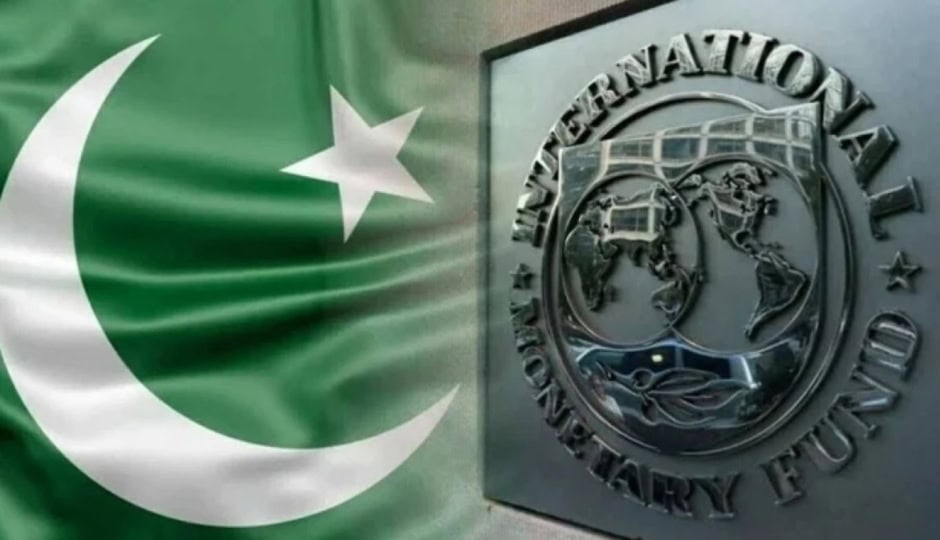
Pakistan and the International Monetary Fund (IMF) have failed to reach an agreement on how to resolve nearly Rs 1.7 trillion in circular debt accumulated in the gas sector, after a fresh round of virtual talks ended in deadlock. The two sides will now revisit the issue in a new round of negotiations scheduled for September.
According to sources, the disagreement centers on the treatment of unpaid dues owed to the two state-run gas utilities. The IMF wants these amounts recorded outright as losses rather than continuing to be classified as recoverable receivables, a position that government negotiators have resisted.
Under the mechanism proposed by the Fund, the utilities would first absorb the write-down on their own books, with the government recapitalizing the companies afterward through fresh capital injections, sources said.
Officials at the Petroleum Division have raised concerns over this sequencing. Booking the receivables as losses upfront, they argue, could weaken the balance sheets of the utilities and unsettle investor confidence, potentially pushing down their stock prices. Given these risks, Islamabad has been reluctant to accept the proposal even as the debt continues to accumulate.
Circular debt in the gas sector has now climbed to nearly Rs 3.3 trillion, sources tracking the negotiations said, making it one of the largest unresolved liabilities in the energy sector.
With the next round of discussions set for September, the structure of a final settlement remains undecided. Officials indicated that any revised proposal is likely to align with the Fund’s broader push for more transparent gas-sector accounting and a sustainable long-term debt strategy.