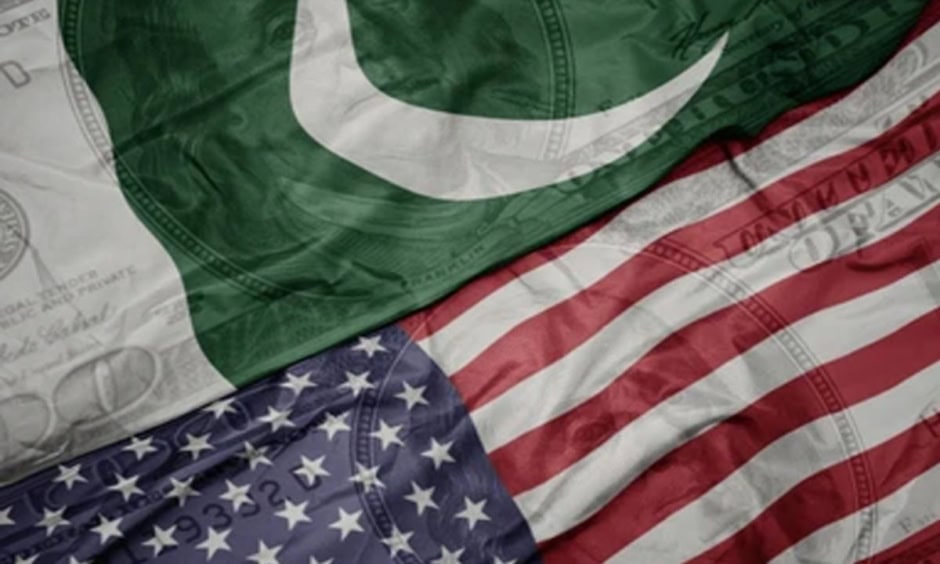
Pakistan has formally requested a $10 billion exchange stabilization facility from the United States, a source briefed on the matter told Reuters, in a move that could provide much-needed support to the country’s strained economy.
The request, disclosed for the first time, was submitted to U.S. Treasury Secretary Scott Bessent and seeks a Bilateral Exchange Stabilization Support Facility with a maturity of up to five years.
The move follows Pakistan’s role in brokering talks during the Iran war, a diplomatic effort that boosted the country’s international standing and fueled expectations of greater economic support from Washington and other partners.
If approved, the facility would help strengthen Pakistan’s foreign exchange reserves, ease pressure on the rupee, and reduce reliance on multilateral lenders as Islamabad continues implementing fiscal and monetary reforms under its International Monetary Fund (IMF) program.
The U.S. Treasury declined to comment on the request, while Pakistan’s finance ministry did not respond to Reuters’ request for comment outside Asian business hours.
Finance Minister Muhammad Aurangzeb met U.S. Treasury Secretary Scott Bessent in Washington on Tuesday, where he highlighted the Pakistani economy’s exposure to regional geopolitical risks, according to a finance ministry statement that did not mention the request for the exchange stabilization facility.
The statement said Aurangzeb sought greater U.S. support to help Pakistan regain access to international capital markets, strengthen its foreign exchange reserves, and improve its sovereign credit ratings. Both sides also reaffirmed their commitment to expanding bilateral economic cooperation and advancing strategic projects.
Pakistan is currently implementing a $7 billion IMF program, which has required tax increases, spending cuts, and structural reforms. Exchange stabilization facilities are rare U.S.
Treasury arrangements, typically provided through the Exchange Stabilization Fund, and can include dollar loans, currency swaps, or guarantees to help countries strengthen reserves and stabilize their currencies.