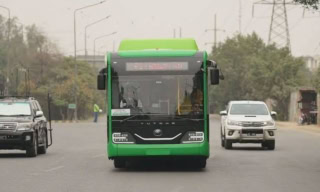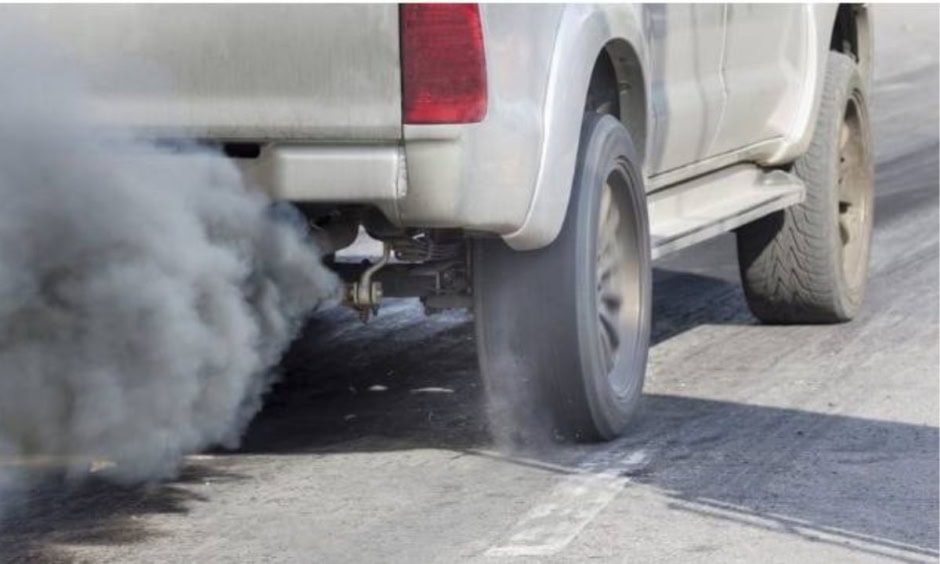
The Punjab government has launched a four-year plan to take 900 smoke-emitting buses and trucks off the road, a move that will trigger the release of $40 million in World Bank funding earmarked for the province’s clean air efforts.
The initiative falls under the Punjab Clean Air Programme, and officials say the World Bank funding is directly tied to the government meeting its scrappage target. Sources familiar with the plan said the payout would not be released until the required number of old, polluting vehicles are permanently removed from circulation.
At the centre of the plan is a buyback scheme that will see the government step in as an intermediary, offering financial assistance to owners willing to give up their old vehicles. Rather than pushing owners to simply discard their vehicles, the scheme is designed to steer them toward purchasing new, low-emission models, using the World Bank funds as an incentive.
Authorities are also weighing a proposal to tie the replacement of aging trucks and buses to an electric vehicle financing facility, which would make it easier for owners to transition to EVs. Separately, the programme includes plans to promote electric motorcycles and three-wheelers, signalling a broader push toward cleaner transport options beyond heavy vehicles.
To give the scheme legal backing, the government intends to draft a new regulatory framework specifically covering vehicle scrappage, addressing a gap officials say has hampered previous efforts to retire old vehicles. Alongside this, the province’s vehicle inspection system will be expanded, giving authorities greater capacity to test and monitor smoke emissions across a wider range of vehicles on the road.
Officials have not yet announced a detailed timeline for individual phases of the scrappage drive, though the four-year target of 900 vehicles is expected to serve as the benchmark for unlocking the World Bank funds.