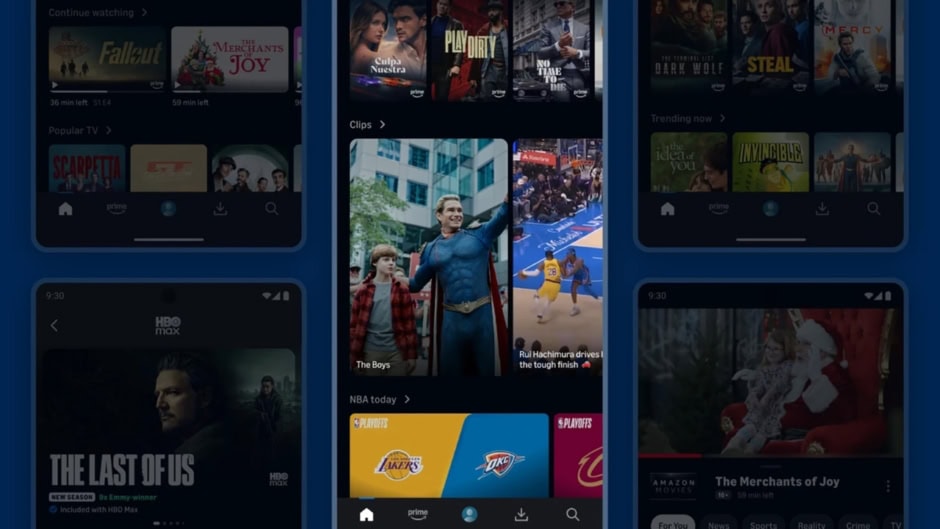
Amazon Prime Video is going after TikTok with a notable new feature. The company is adding short-form news clips to its platform. It announced the expansion of its news coverage on Monday. These clips will offer both local and national stories on demand.
The clips launch first on TVs and living room devices. However, they will soon roll out more widely. Specifically, they will reach the web and Prime Video’s mobile apps. This expands access well beyond the living room screen.
Users find the clips inside the app’s News destination. They appear within the Trending Topics and Local News carousels. Notably, they join Prime Video’s existing news coverage from major providers. That coverage remains free for everyone in the US.
Importantly, this access does not require a Prime subscription. Therefore, all US users can watch the news content directly. This positions Prime Video as a broader news destination. It also widens the potential audience considerably.
However, one key detail remains unconfirmed for now. Amazon could not confirm whether mobile clips would be vertical. It only stated they count as short-form content on iOS and Android. This leaves the exact TikTok-style format somewhat unclear.
The strategy targets a clear shift in news consumption. TikTok is known primarily as an entertainment destination. Yet younger people increasingly use it for news too. Gen Z especially watches news creators and influencers on short-form apps.
Amazon lacks a true social destination of its own. Consequently, it is adding short-form video to Prime Video instead. The goal is capturing Gen Z’s valuable attention directly. This meets younger viewers where they already spend time.
However, research suggests format alone is not the draw. According to Pew, younger consumers want organic-feeling news content. Essentially, they prefer clips that avoid an over-produced look. This presents a real challenge for polished streaming platforms.
Notably, Prime Video is far from the first mover here. Peacock added short-form clips back in March. HBO Max and Netflix then followed in July. Disney+ joined the trend in August too. Together, these moves reflect a clear industry-wide push. Streamers now race to meet viewers seeking shorter bursts.