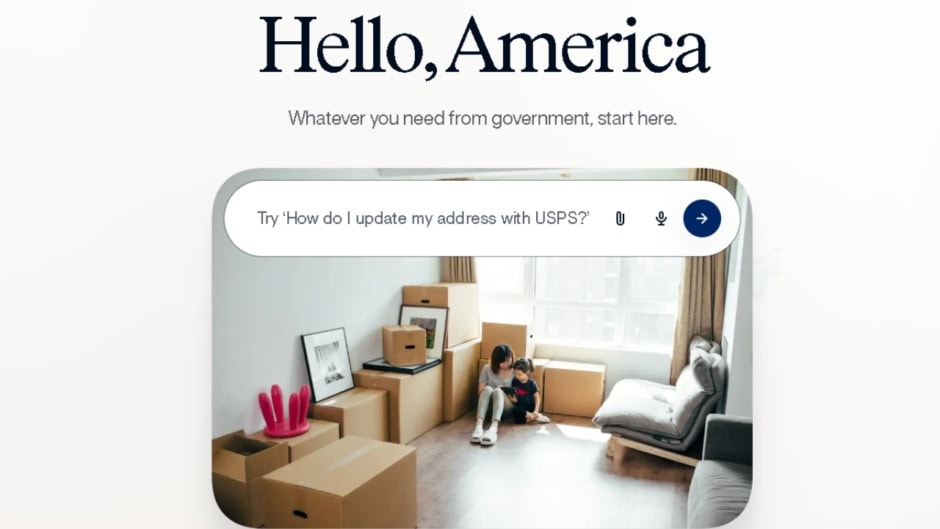
Yesterday morning, the United States government did something revolutionary: it consolidated information from tens of thousands of federal webpages into a single searchable database powered by AI. Citizens can now type plain language questions: “How do I renew my passport?” and get routed to the right agency with step-by-step guidance.
Pakistan’s government is still operating on a system from decades earlier. Your tax filing form lives on one website, the business license application lives on another, while your CNIC or passport renewal process sits on a wholly other medium. NADRA, FBR, SECP, provincial departments: each maintains fragmented digital infrastructure that citizens must navigate separately.
Pakistan has 166 million broadband subscribers and 162 million mobile broadband subscribers as of July 2026. The infrastructure exists. What’s missing is political will and unified coordination.
The good news: Pakistan actually has the governance structure to execute this now. The Pakistan Digital Authority was established in January 2025 under the Digital Nation Pakistan Act. This was supposed to be the coordinating body for digital transformation. Instead, it remains largely dormant while agencies continue building their own portals.
America’s America.gov demonstrates what’s possible when government organizes around citizen needs instead of bureaucratic silos. The platform uses Google’s Gemini and Elon Musk’s Grok AI to turn plain-language questions into structured searches across official government sources.
Pakistan should start immediately with high-impact transactions. Pakistan already operates Pakistan Single Window for customs and FBR integration for cross-border trade. Expand that model. Build one conversational layer on top of FBR systems for tax filing, SECP for business registration, NADRA for identity services, and provincial licensing departments for business permits.
Pakistan needs to consolidate existing APIs and data from major agencies, then deploy an open-source AI model on government cloud infrastructure (avoiding commercial vendor lock-in). Finally, it can add transactional capabilities, i.e., passport photo uploads, license renewals, tax declarations, as agencies integrate their legacy systems.
A single government AI portal protects privacy better than dozens of scattered agency databases. It reduces redundant infrastructure spending, and accelerates business registration, both aspects critical for Pakistan’s startup ecosystem pushing growth.