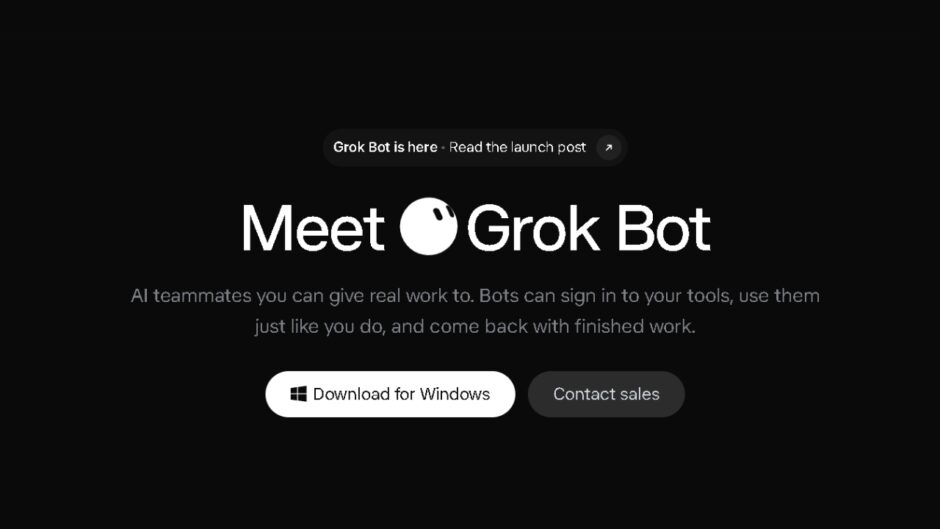
SpaceXAI’s dot.com domain now redirects to its Grok Bot page, days after OpenAI launched its dots AI agents. OpenAI unveiled dots on Tuesday, September 29, at its DevDay conference in San Francisco. A viral post on X flagged the redirect, and it drew more than three million views, according to reports.
Domain records show xAI received dot.com on July 28, roughly two months before OpenAI publicly announced the product. However, neither company has explained the purchase. SpaceXAI did not respond to requests for comment, and OpenAI also declined to comment. Meanwhile, xAI does not own bot.com or vot.com, and dots.com belongs to a former fashion business.
Grok Bot launched on August 11 as an AI teammate that works from its own cloud computer and signs into a team’s tools. Access currently requires premium plans such as SuperGrok Heavy, which costs $300 per month. OpenAI’s dots run on GPT-6 Astra and connect to more than 4,000 apps. As a result, both products now compete for the same market of always-on workplace agents.
OpenAI is rolling dots out to ChatGPT Pro and Business Premium subscribers in eligible markets, and the first dot costs nothing extra. The Pro rollout excludes the European Economic Area, Switzerland, and the U.K. Pakistani subscribers must check eligibility inside the ChatGPT app.
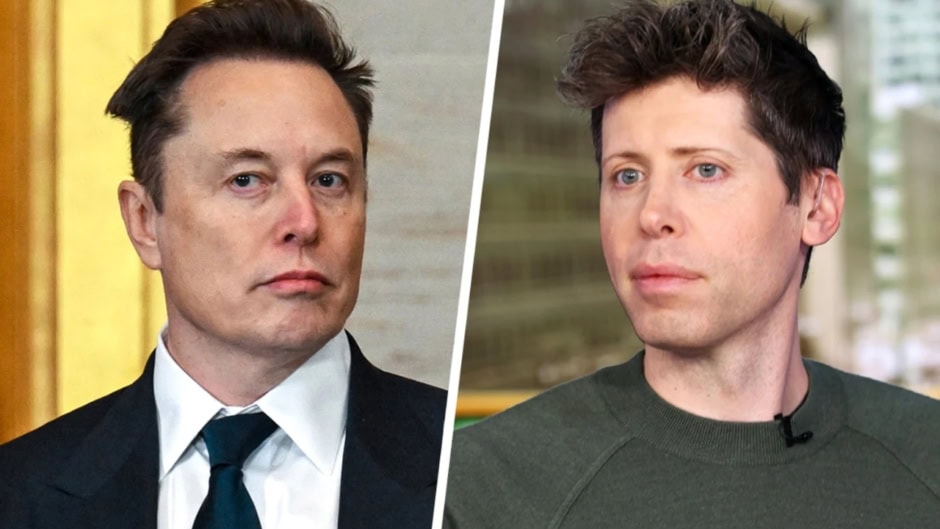
If you are unfamiliar with OpenAI-Elon Musk feud, here is all the recap you need:
- The rivalry: Musk founded his own AI company, xAI, in 2023. SpaceX absorbed it in February, and it has operated as SpaceXAI since July. Meanwhile, its $60 billion acquisition of coding start-up Cursor now puts it in direct competition with OpenAI in developer tools.
- The takeover bid: In February 2025, a consortium led by Musk offered $97.4 billion for control of OpenAI. Sam Altman responded on X with a counteroffer to buy Twitter for $9.74 billion. OpenAI rejected the bid.
- The trial: Musk sued OpenAI, Altman, and Greg Brockman in 2024, arguing they had steered the organization toward profit. However, an Oakland jury dismissed the case in May because Musk waited too long to sue. He called the ruling a “calendar technicality” and said he will appeal.
- The antitrust suit: X and SpaceXAI accuse OpenAI and Apple of disadvantaging rivals such as Grok in the App Store. Musk’s companies recently dropped their claims against Apple, but the case against OpenAI continues.
- The model dispute: During the trial, Musk acknowledged that xAI had “partly” distilled OpenAI models, meaning it used them to train its own. In August, OpenAI announced it will stop supplying models to Cursor from November because SpaceX acquired the company. Musk responded, “I couldn’t care less.”
The episode adds to a long dispute between Elon Musk and OpenAI, which he co-founded in 2015 and left in 2018. An Oakland jury dismissed Musk’s 2024 lawsuit against OpenAI in May because he filed too late, and he has said he will appeal. Separately, X and SpaceXAI continue an antitrust case against OpenAI over App Store treatment of Grok, after dropping their claims against Apple.