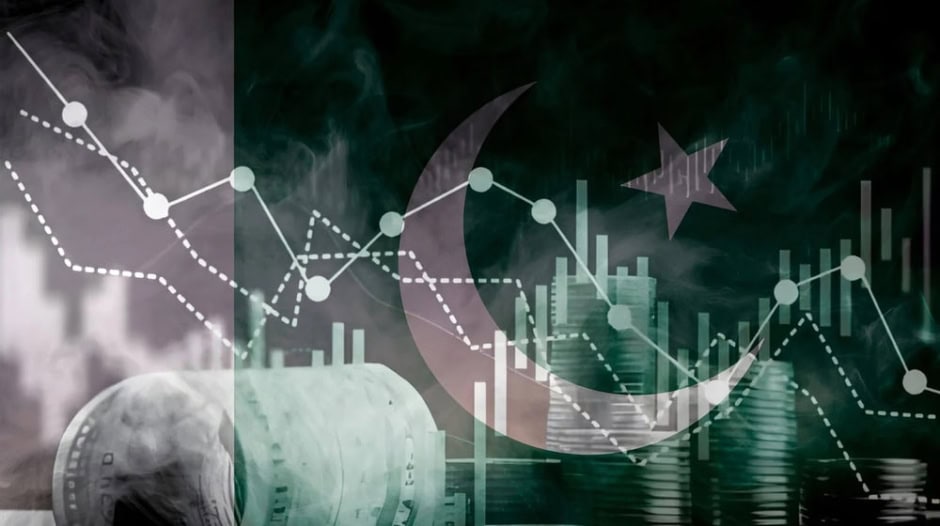
State-owned enterprises (SOEs) earned a net adjusted profit of Rs80.5 billion in July-December FY26, a 30 percent decline from Rs114.3 billion in the same period last year.
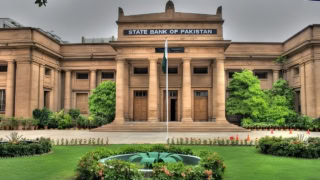
The Ministry of Finance released the SOEs report on Monday to fulfil an IMF condition. Aggregate profits fell 7 percent to Rs423.3 billion from Rs457.2 billion in HY-2025. Aggregate losses stood at Rs342.8 billion, almost unchanged from Rs342.9 billion a year earlier.
Twenty-three SOEs reported losses. The National Highway Authority (NHA) topped the list with Rs124.5 billion, followed by Quetta Electric Supply Company (QESCO) with Rs35.3 billion and Sukkur Electric Supply Company with Rs34.9 billion.
Pakistan Railways recorded Rs29.4 billion, Peshawar Electric Power Company Rs23.7 billion, PIA Holding Company Rs21.5 billion, Hyderabad Electric Supply Company Rs18 billion, and Neelum Jhelum Hydropower Company Rs14.5 billion.
Pakistan Steel Mills Corporation (Private) Limited lost Rs12.992 billion, Pakistan Post Office Rs7 billion, and GENCO-II: Central Power Generation Company Limited, Thermal Power Station, Guddu Rs5.15 billion. Pakistan Telecommunication Company Limited (for reporting purposes only) recorded Rs4.87 billion, Pakistan Agricultural Storage & Services Corporation Ltd Rs4.42 billion, and Tribal Electric Supply Company Limited Rs3 billion.
The accumulated losses of the 23 loss-making SOEs have reached Rs6.523 trillion to date. Their losses average about Rs2.8 billion per working day, while fiscal support through subsidies, grants, loans and equity injections reached nearly Rs6.6 billion per day. This support was equivalent to about 11 percent of total federal budgetary receipts over the six months.
The report described the financial position of NHA as a high fiscal risk to the government, citing persistent structural deficits, reliance on public funding and limited cost recovery from core operations. The authority reduced operating losses by 45 percent and net losses by 19 percent, but revenues remained well below business plan targets. It received government grants of Rs4,631 million during the period.
QESCO was assessed as a very high fiscal risk. Its revenue fell 45 percent year-on-year and sales dropped 47 percent, mainly due to solarisation and reduced reliance on grid electricity.
SOE debt exposures exceed Rs10 trillion, including about Rs2.5 trillion in foreign-currency-denominated liabilities and foreign-reliance loans. The report noted that this exposes the sovereign to exchange-rate pass-through, refinancing pressure, imported inflation and external-account volatility.
Combined circular debt has risen to about Rs3.3 trillion. The stock increased during the six months despite restructuring and the partial warehousing of liabilities through Central Power Purchasing Agency-linked financing serviced through the Debt Servicing Surcharge (DSS).
Sovereign guarantees exceed Rs2.1 trillion, about 1.86 percent of GDP, while unfunded pension liabilities approach Rs1.9 trillion. The report identified both as contingent obligations that could become direct federal liabilities under stressed macroeconomic conditions.