Pakistan expects its economy to grow by more than 4% during the current fiscal year despite elevated oil prices and ongoing geopolitical tensions in the Middle East, Finance Minister Muhammad Aurangzeb told Reuters on Monday.
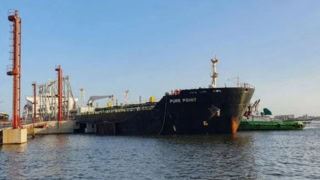
Speaking on the sidelines of the annual meetings of the International Monetary Fund (IMF) and the World Bank in Bangkok, Aurangzeb said Pakistan had secured sufficient fuel supplies and avoided shortages. He added that key sectors, including agriculture, had remained resilient despite external economic pressures.
Pakistan remains exposed to prolonged conflict in the Middle East because of its reliance on Gulf energy imports, remittances and regional financial support. The country also depends on external financing to strengthen its foreign exchange reserves and meet debt obligations.
The government’s economic outlook is supported by a $7 billion, 37-month IMF Extended Fund Facility agreed in 2024. Pakistan reached a staff-level agreement with the IMF last week that could unlock approximately $1.21 billion in financing under the programme and a separate climate facility.
Aurangzeb also said Pakistan was negotiating with the United States over a proposed $10 billion exchange stabilisation facility. Although he did not provide a timeline for the discussions, he said an agreement would offer significant support. He added that failure to secure the facility would not affect Pakistan’s access to international markets. Talks are also underway with the US Export-Import Bank and the US International Development Finance Corporation to explore further financial support.
Separately, the government plans to privatise five to six state-owned entities during the current fiscal year, potentially generating more than $1 billion. Aurangzeb said around a dozen entities were in the privatisation pipeline, including power distribution companies and airport operations targeted for outsourcing.
The planned transactions follow the privatisation of Pakistan International Airlines last year. The government views privatisation as a key part of its economic reform programme, while the IMF has emphasised the need to reduce the financial burden of loss-making state-owned enterprises.
Aurangzeb said the government wanted the private sector to lead economic activity, with the state focusing on supporting businesses and creating an environment conducive to investment.