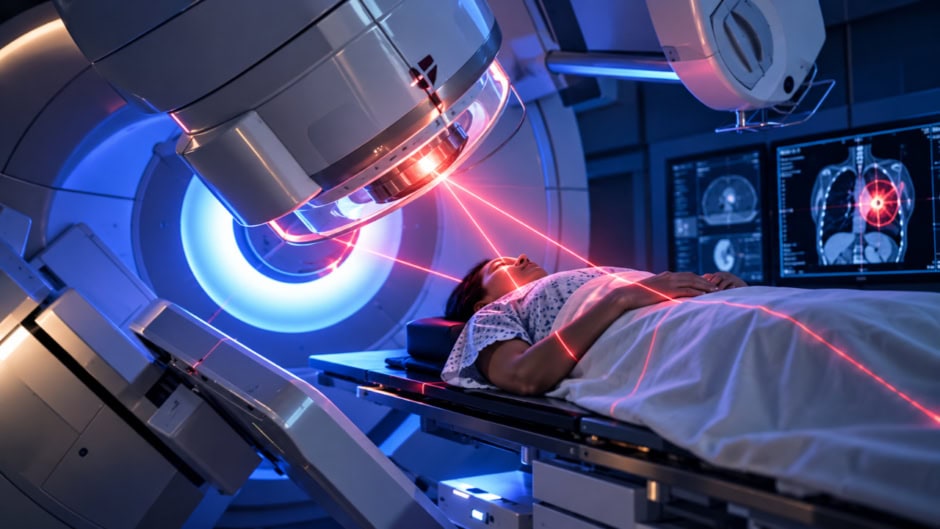
Modern oncology continues to evolve beyond conventional treatments through precision engineering. Photoimmunotherapy represents a fascinating leap forward in this field. This sophisticated therapeutic approach combines targeted biological molecules with localized light activation to attack solid tumors. By focusing strictly on cellular mechanics rather than broad systemic toxicity, researchers are unlocking new ways to treat complex cancers.
The foundational science relies on a multi-step molecular process designed for pinpoint accuracy. First, specialized agents known as antibody-dye conjugates enter the body. These constructs feature a targeting moiety engineered to seek out specific receptors overexpressed on cancer cells.
Attached to this targeting antibody is a light-activatable dye molecule. Because the antibody binds exclusively to malignant cells, the therapeutic compound accumulates precisely where the tumor resides. It largely ignores healthy surrounding tissue in the process.
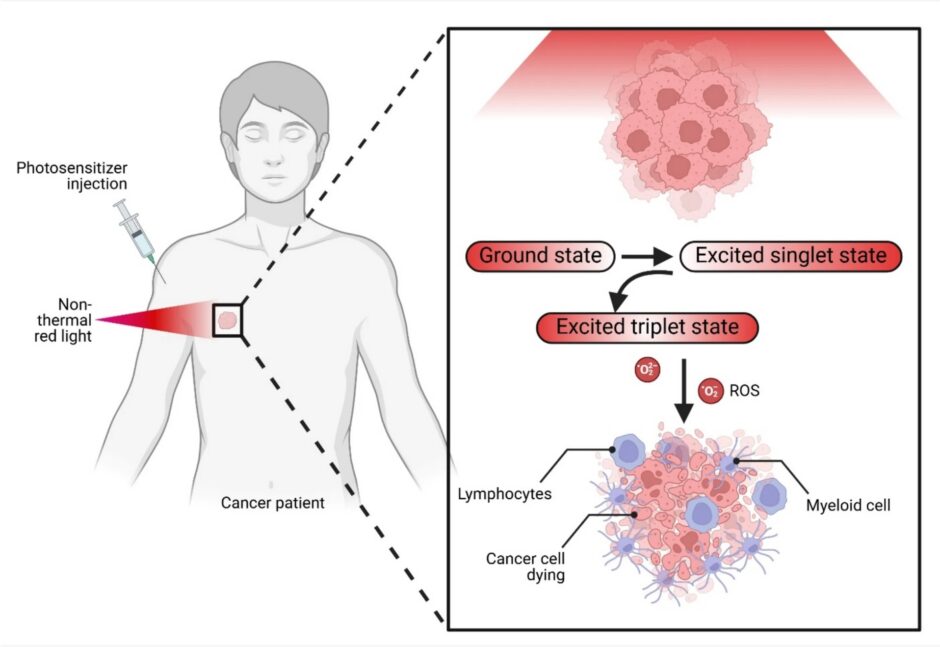
Once the conjugate attaches to target cells, the second phase begins. Clinicians apply low power red light, typically at a wavelength of 690 nanometers, directly to the tumor site. Specialized medical illumination devices handle this delivery. When light strikes dye molecules bound to cancer cells, it triggers a rapid photochemical reaction.
This localized activation alters physical properties of the conjugate. It disrupts the structural integrity of the targeted cell membrane. Deprived of a stable membrane barrier, cancer cells rapidly swell and undergo selective necrosis. Furthermore, this targeted destruction does more than eliminate individual malignant cells.
The abrupt death of tumor cells releases cellular debris and antigens into the immediate microenvironment. This process sparks a broader local and systemic immune response. Natural immune systems can then recognize and fight remaining cancer cells more effectively. By merging optical physics, immunology, and molecular biology, photoimmunotherapy offers a refined blueprint for future care. It transforms how medical science approaches localized tumor eradication without causing widespread collateral damage.