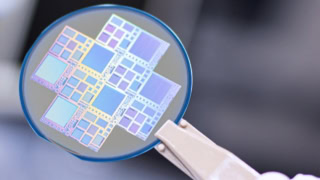
GM has virtually tested more than 300,000 EV battery designs before building a single physical cell, according to Fortune. Specifically, the company used 300 million computing hours, which equals about 34,000 years on one computer. As a result, GM went from its first battery pack concept to formal approval in just one month.
Notably, the simulations focus on a new battery type called lithium manganese-rich, or LMR. According to GM, this chemistry holds 33% more energy than lithium iron phosphate (LFP) batteries at a similar cost. In addition, it uses 30% to 40% nickel, compared to about 85% in today’s high-nickel cells. However, LMR has long struggled with short battery life, and GM claims it has now solved that problem.
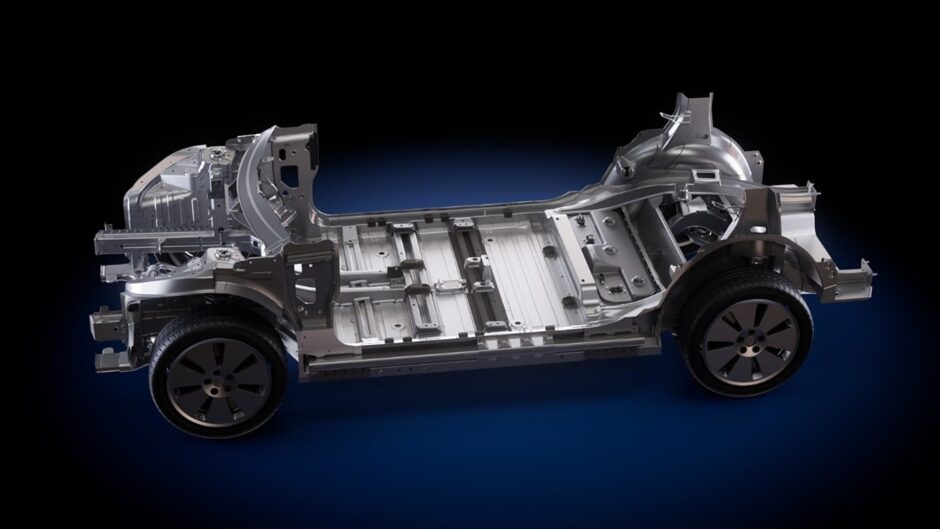
Furthermore, these simulations support GM’s upcoming fourth-generation EV platform. According to the company, the new platform will deliver about 20% more range per kilowatt-hour than current GM vehicles. On top of that, its electric motors will have 40% fewer parts than current models. The platform also uses 30% less wiring and includes a central computer with 40 times more processing power.
“High-nickel batteries will continue to give customers the highest range in our portfolio, while adding LMR positions us to leapfrog today’s more affordable chemistries and deliver lower costs with better performance,” said GM in a press release.
Additionally, GM says the approach will cut its usual four-to-five-year development cycle in half. For example, air flow simulations that once took 60 hours now finish in just 60 seconds. Meanwhile, GM’s factory system called PlantBrAIn already moves battery packs through assembly 30% faster. The company also uses virtual models to test assembly steps and equipment layouts before building real factory lines.
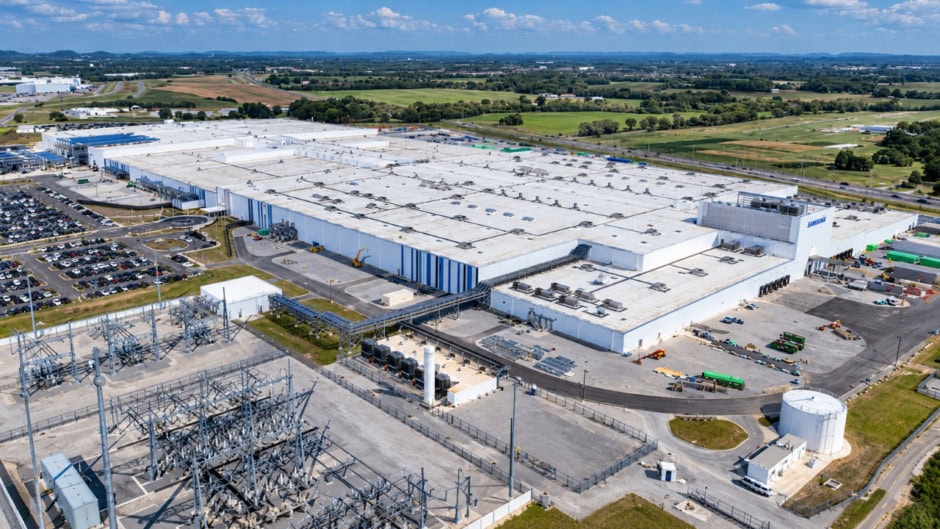
GM and LG Energy Solution will make the LMR cells at their Ultium Cells factory in Spring Hill, Tennessee. In addition, GM’s $900 million battery plant in Warren, Michigan, will reach full operation later this year. The company then expects volume production to begin in 2028. GM’s VP of battery Kurt Kelty also said, “We’re not licensing this from China.”
GM first shared these plans at its GM Forward event in New York this week. In fact, the company says it will invest more than $16 billion in US research and manufacturing this year alone. Overall, GM believes AI-driven development will help it compete with Chinese automakers on both speed and cost.