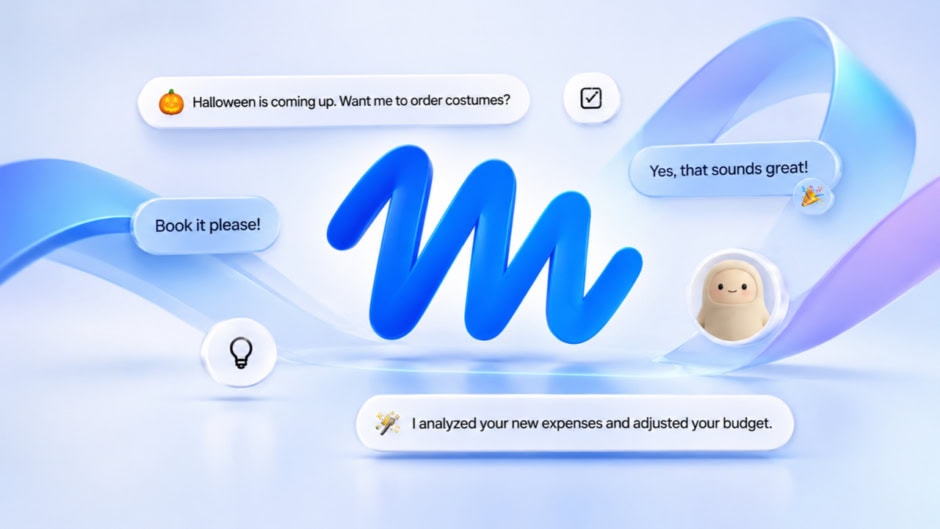
Meta has added live voice conversations to Muse, its personal AI agent. Instead of typing, users can now tap the phone icon and talk to the assistant directly. The update also gives Muse an animated avatar that reacts to the conversation with facial expressions and gestures in real time. It launched on November 5 across the Muse app on phones, web, and Mac, though only in the US for now.
The voice feature works like an actual phone call rather than a voice-to-text input.
Users can interrupt Muse at any point during a conversation. It responds immediately without waiting for you to finish speaking. More notably, Muse can keep working on background tasks while the conversation continues. Meta suggests this makes it useful during walks, commutes, or other hands-free situations. Consequently, it functions less like a chatbot and more like an assistant you can actually talk over.
The avatar adds a visual layer that most competing AI assistants lack. While the user speaks, the avatar displays matching facial expressions and gestures in real time. It does not just animate when responding. Instead, it reacts while the user is still talking, creating a more conversational feel. Users can choose how much of the avatar they want to see. Options range from voice-only mode to a small avatar beside the chat window to full-screen display.
Customization runs deeper than appearance alone. Meta offers hundreds of voice options with different personalities. Users can switch between them at any time during a conversation. Additionally, at its Connect conference in September, Meta announced that users would eventually describe the voice they want. For instance, they could ask for a faster pace or a different accent.
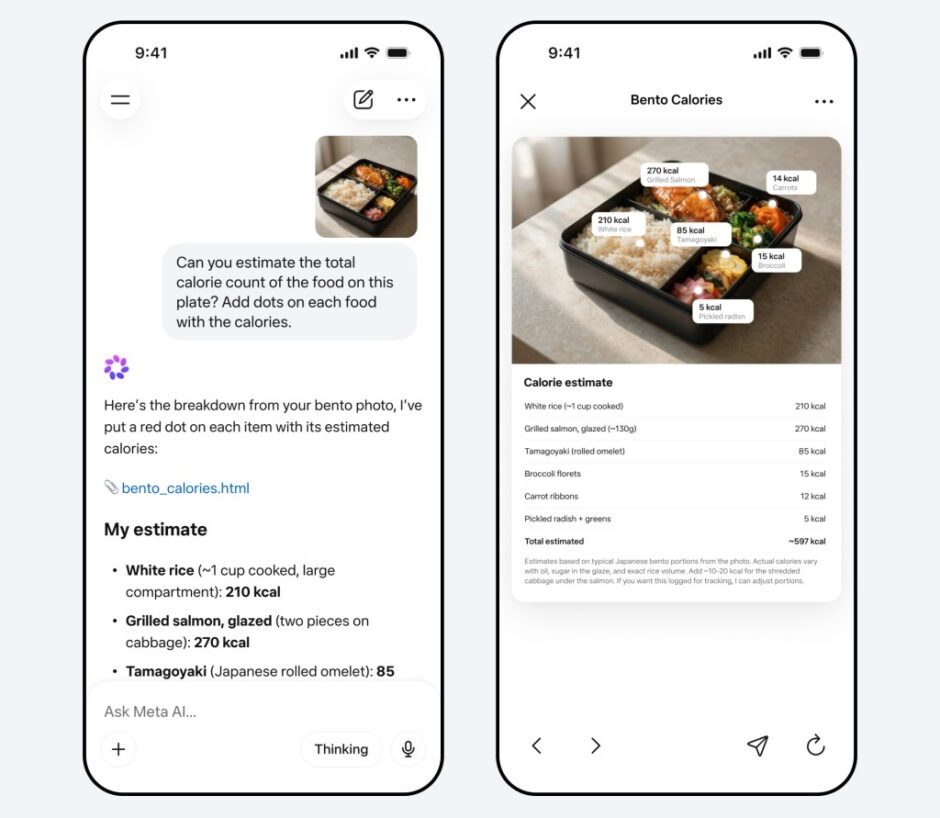
The technology powering the avatars comes from Meta Superintelligence Labs, the company’s main AI research unit. The underlying model, called Muse Realtime Avatar, first appeared at Connect in September. In Meta’s own internal testing, raters preferred its avatars over those from competitors Runway and HeyGen. However, Meta acknowledged that not all demonstrations reflect what actually ships in the app.
Muse launched in September as Meta’s direct competitor to ChatGPT. It runs on the Muse Spark family of language models, which Meta introduced back in April. Beyond voice conversations, the agent can already shop with retailers, send emails, and control apps on a Mac. Together, these capabilities position Muse as a full-service assistant rather than just a conversational chatbot.
However, the voice feature remains US-only for now with no timeline for broader availability. Meta also plans to bring voice conversations to its AI glasses and Muse Charm, a small clip-on device shown at Connect. Neither has a confirmed launch date yet.