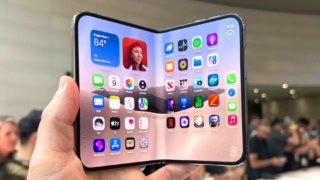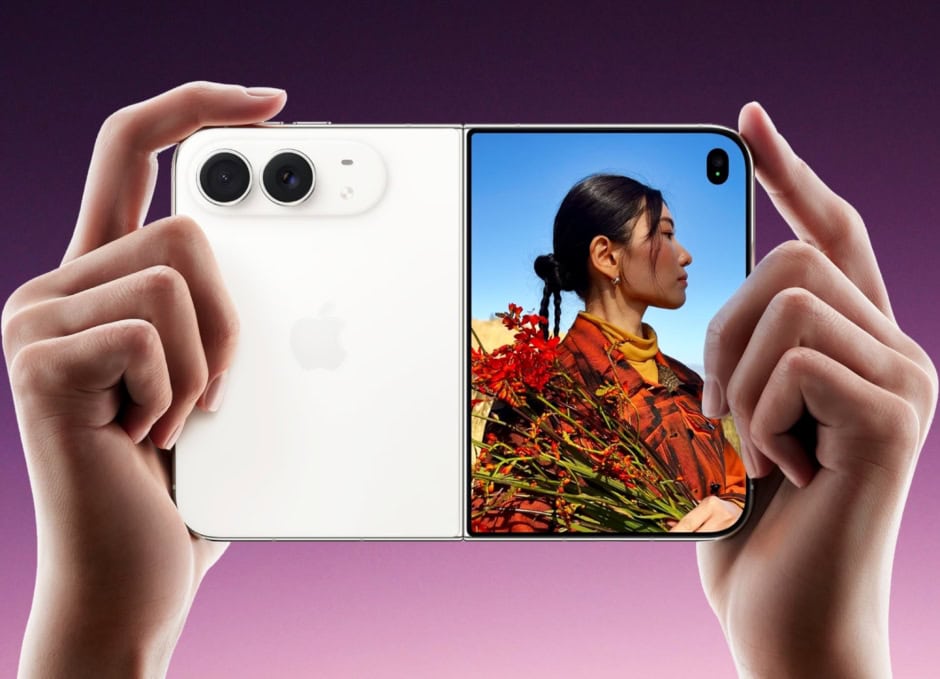
Apple is considering bringing Face ID to its second-generation foldable iPhone, but the company faces a tight development deadline. According to Bloomberg’s Mark Gurman, Apple wants to introduce the feature in the iPhone Duo 2. However, its launch timeline could make that difficult.
The device, internally codenamed V78, is expected to launch next fall. Apple must finalize its hardware features around this time. As a result, engineers have limited time to integrate Face ID before production decisions are made.
The current iPhone Duo uses Touch ID for biometric authentication. However, early reviewers were not particularly impressed with this approach. For its successor, Apple reportedly has two major priorities: Face ID and a dedicated Action button.
Apple could also combine the Action button with the Camera Control button. This would help save space inside the foldable device. Moreover, many users have said they rarely use the Camera Control button.
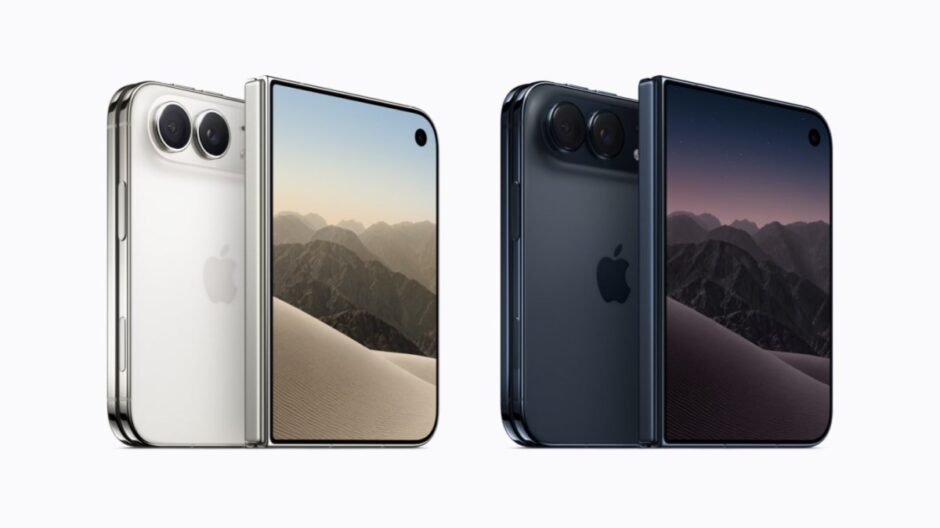
Face ID remains Apple’s biggest priority for the iPhone Duo 2. The company has already developed prototypes featuring the facial recognition system, Gurman reported last month. Engineers are still working to integrate the technology into the outer display.
However, the tight development schedule could prevent Apple from including Face ID in the final version. Gurman says even he cannot predict whether the feature will make the cut. If Apple misses the opportunity this time, the technology could arrive with the iPhone Duo 3.
Apple also has other hardware improvements planned for its upcoming foldables. These include adding a telephoto camera and making the devices thinner and lighter. However, those changes may take more than one generation to complete.
Interestingly, feedback from first-generation iPhone Duo buyers may not influence the next model. Gurman says customer suggestions are unlikely to result in hardware changes before the Duo 3.
The original iPhone Duo has only recently started shipping. Therefore, Apple has little time to collect customer feedback and apply it to the successor. This means the iPhone Duo 2 will largely follow Apple’s original development plans. In other words, several features that buyers want may have to wait. Apple had already set the direction for its second foldable before announcing the first model.