
India’s logistics sector faces technological disruption from autonomous drones. Airbound, a three-year-old startup, secured $37 million in Series A funding. Greenoaks led the round with backing from DoorDash, Lachy Groom, Lightspeed, and Humba Ventures. The total capital raised now reaches nearly $50 million since 2023 founding.
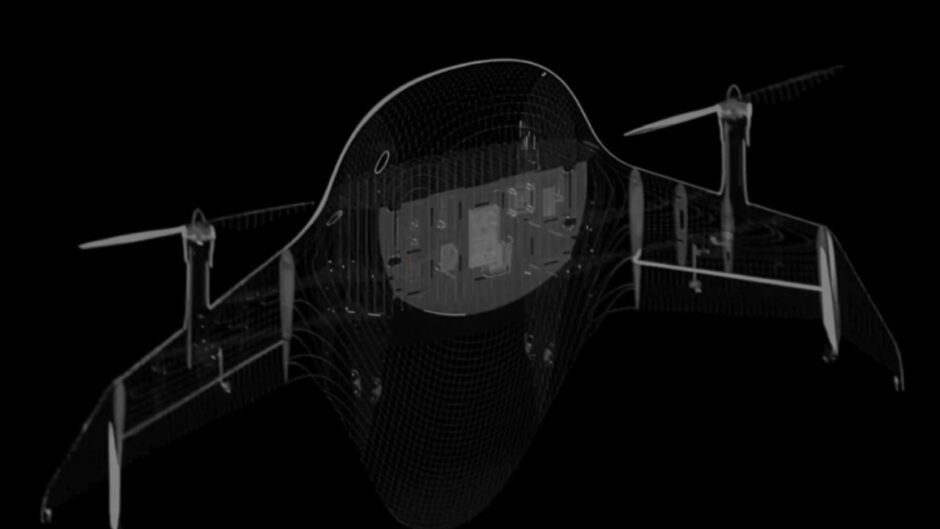
Airbound’s core innovation redesigns aircraft economics fundamentally because traditional aircraft waste energy carrying their own weight rather than payload. Airbound reversed this equation by building drones weighing less than their cargo. Current models weigh 1.5 kgs (around 3.3 pounds) carrying 1 kg (2.2 pounds). Next-generation prototypes will weigh 2.99 kgs (6.6 pounds) carrying up to 4.9 kgs (11 pounds). This ratio creates unprecedented operational economics.
The startup employs tail-sitter architecture enabling vertical takeoff and landing. Aircraft launch upright like rockets, transition horizontally during flight, then land vertically. This design eliminates runway dependence, allowing deployment across dense Indian cities. Small hospitals, retail centers, and warehouses become potential landing sites.
Airbound has completed over 13,000 autonomous flights across Bengaluru and Guntur. Healthcare partnerships with Narayana Health transport diagnostic samples between facilities. Current operations fly samples 2.5 miles in seven minutes versus truck alternatives requiring three to five hours. Narayana’s new hospital operates without on-site labs, relying entirely on Airbound drones for connectivity.
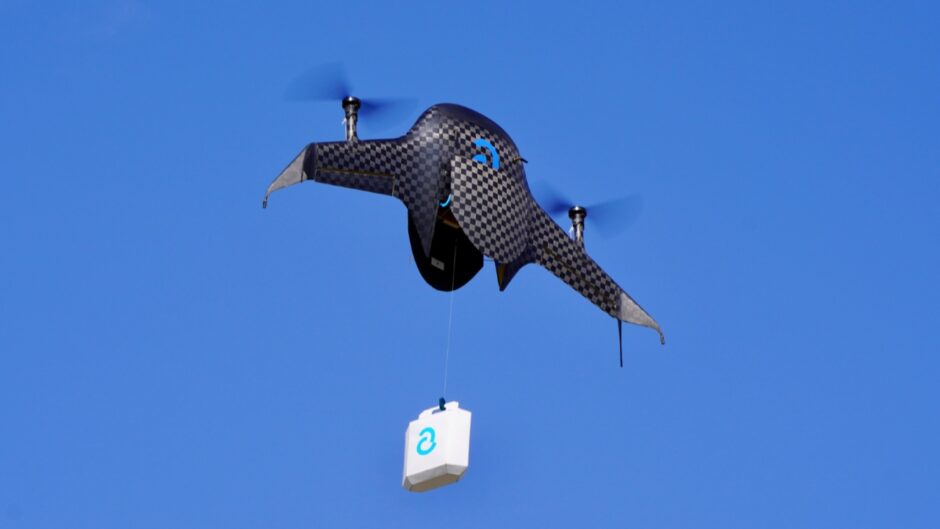
Airbound signed formal agreements with Andhra Pradesh government targeting three-city drone network. The ambitious initiative aims for 10,000 daily flights handling retail, e-commerce, and healthcare deliveries. Operations will require approximately 250 aircraft, representing transformative logistics scale. Daily flight volumes that trucks cannot match.
Manufacturing represents a minor bottleneck compared to regulation. Airbound operates 43,000 square feet of in-house production in Bengaluru. Beyond visual line of sight (BVLOS) certification proves essential but remains regulatory challenge. The company remains pre-revenue despite 150 employees, prioritizing technology maturity over immediate profitability.
Airbound positions itself as aircraft manufacturer, not delivery operator. CEO Naman Pushp compared the vision to Boeing supplying airlines. This infrastructure play generates revenue across multiple logistics operator partners. Companies like Swiggy and Amazon could integrate Airbound drones into existing delivery infrastructure. Aircraft standardization creates ecosystem effects multiplying adoption velocity.
In a region such as India, success stories like that of Airbound validates drone delivery economics. Regulatory approval accelerates when operational proof demonstrates safety and reliability. The newest phase is set to boost its manufacturing capabilities and broaden its operations. According to the startup, the pilot program will also enhance its services and cut costs, paving the way for a smoother transition to the wider market in 2026.