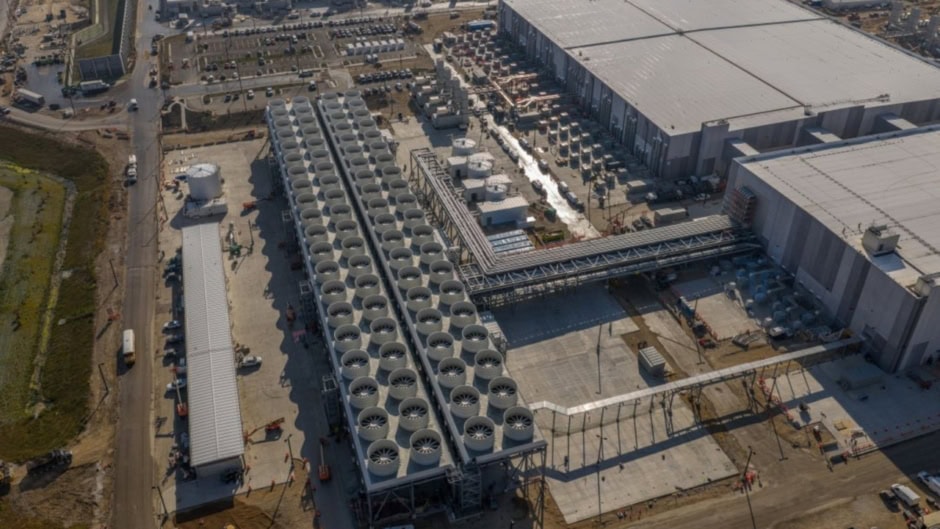
Amazon Web Services (AWS) acknowledged permanent loss of customer data on September 15, revealing that Iranian strikes on data centers in Bahrain and the United Arab Emirates destroyed infrastructure beyond its designed tolerance.
AWS remains unable to restore access to resources across all three Bahrain availability zones, while one availability zone in the UAE (mec1-az2) experienced irretrievable data loss.
“The damage to our infrastructure spanned multiple Availability Zones and exceeded what our regional and multi-AZ services are designed to withstand,” the AWS update said.
Iranian drone strikes began March 1 in the opening days of the broader US-Israeli conflict. Internal AWS communications marked both regions as “hard down,” with instructions to lower operational priority. Follow-up strikes on April 1 and July 21 intensified cumulative damage. The Islamic Revolutionary Guard Corps announced a July 21 missile strike claiming destruction of the Bahrain facility in retaliation for US military attacks on Iran’s Darkhovin nuclear plant. European Space Agency satellite imagery independently confirmed extensive damage, corroborating claims of at least five strikes since March.
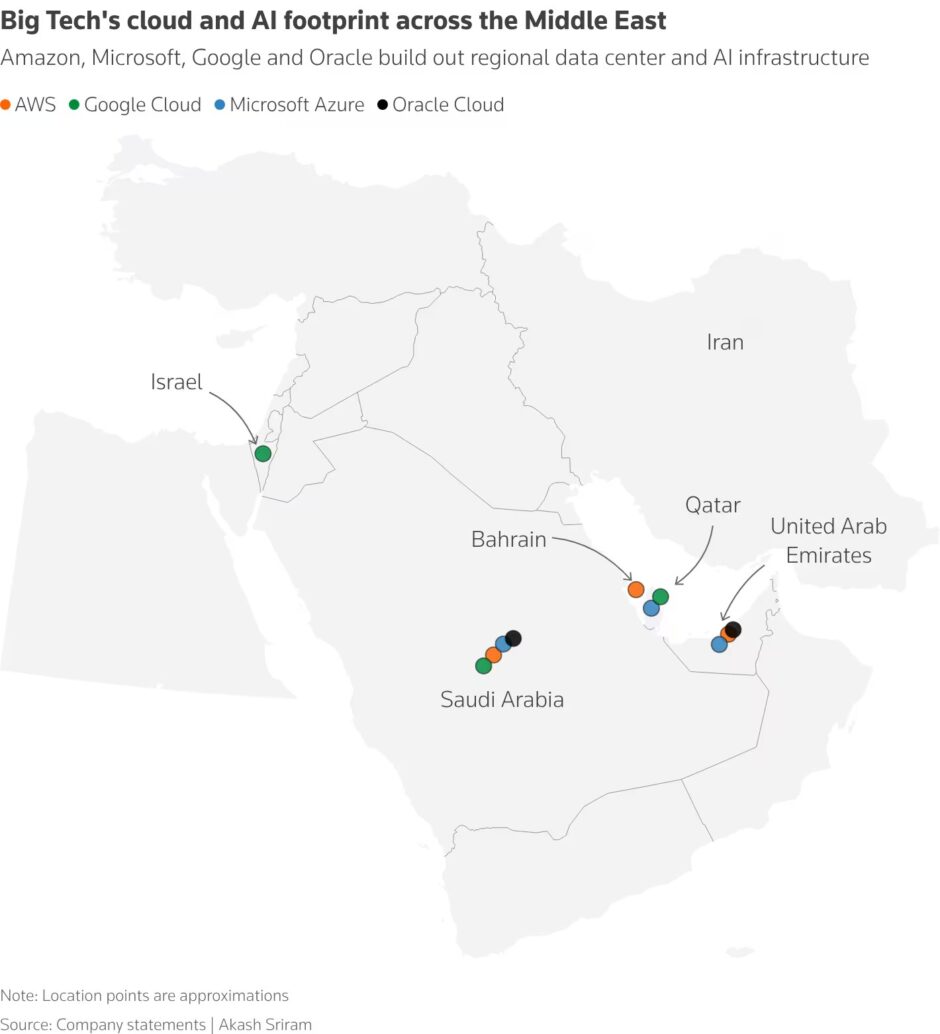
The strikes cascaded across critical regional services. E-commerce platforms, retail apps, grocery delivery, ride-hailing and marketplace services experienced outages in online ordering, payments and fulfillment systems. Elevated error rates impacted Amazon EC2, S3, and DynamoDB, forcing companies to migrate operations overnight to alternative regions.
AWS suspended billing and issued $150 million in customer credits by April. Despite six months of repair efforts, the company concluded some data could not be recovered. Fire suppression systems caused additional water damage compounding structural destruction from direct impacts. AWS remains uncertain about full recovery, with the Bahrain region still marked as unavailable on its Health Dashboard and updates deferred to early 2027.
AWS designs multi-availability zone deployments to prevent single-zone loss from cascading into regional failure. War damage across multiple zones simultaneously exceeded this engineering standard. Enterprise strategies have shifted toward multi-cloud approaches combining AWS with Google Cloud and Microsoft Azure, though these carry significant operational costs.
Organizations in geopolitically volatile regions now face difficult tradeoffs between concentrated vendor risk and distributed multi-platform complexity. The economics of resilience have changed overnight for Middle Eastern operations.
The broader conflict has destabilized regional energy markets. Attacks on shipping in the Strait of Hormuz and Bab al-Mandeb Strait triggered a global energy crisis, spiking oil prices worldwide. Accelerated renewable energy investment has followed, with solar panel installations surging as nations seek alternatives to Middle Eastern energy dependencies.